
Last updated November 23, 2026
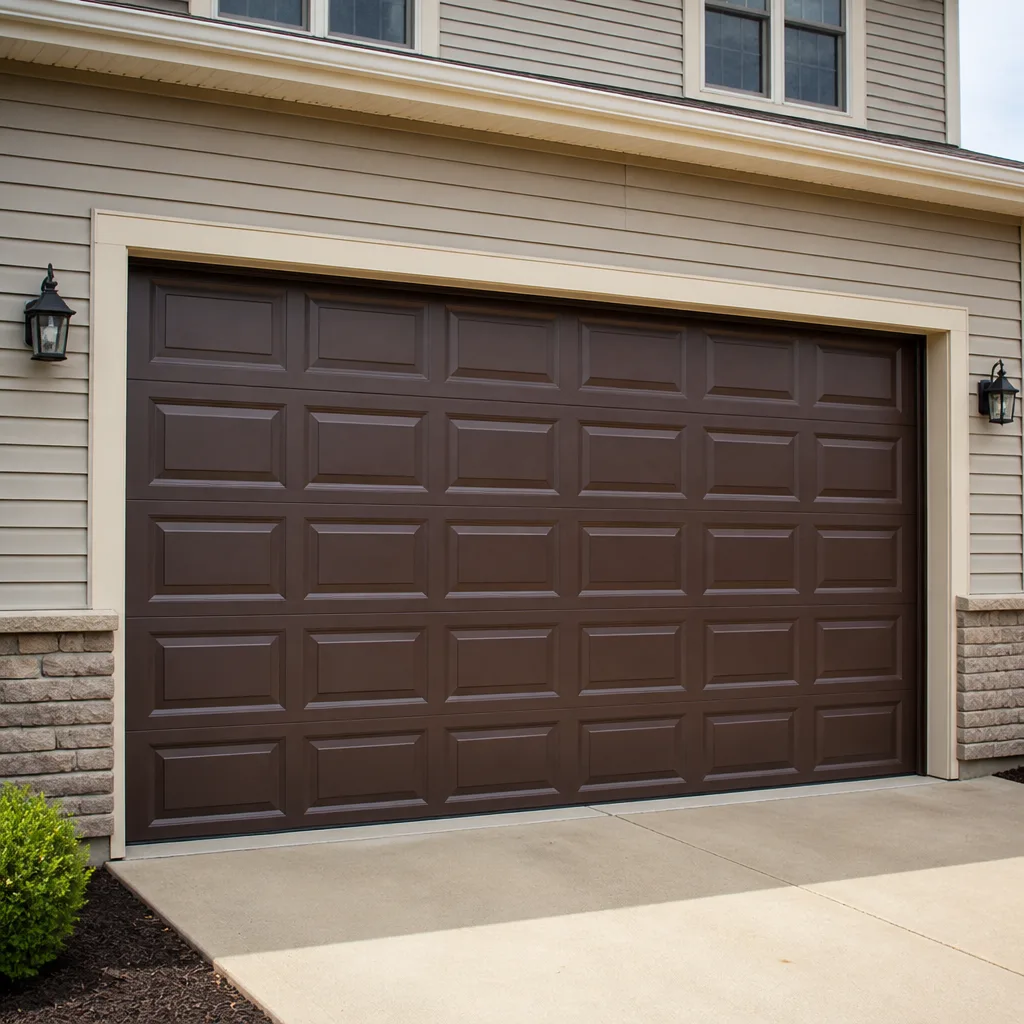 Raised-panel steel
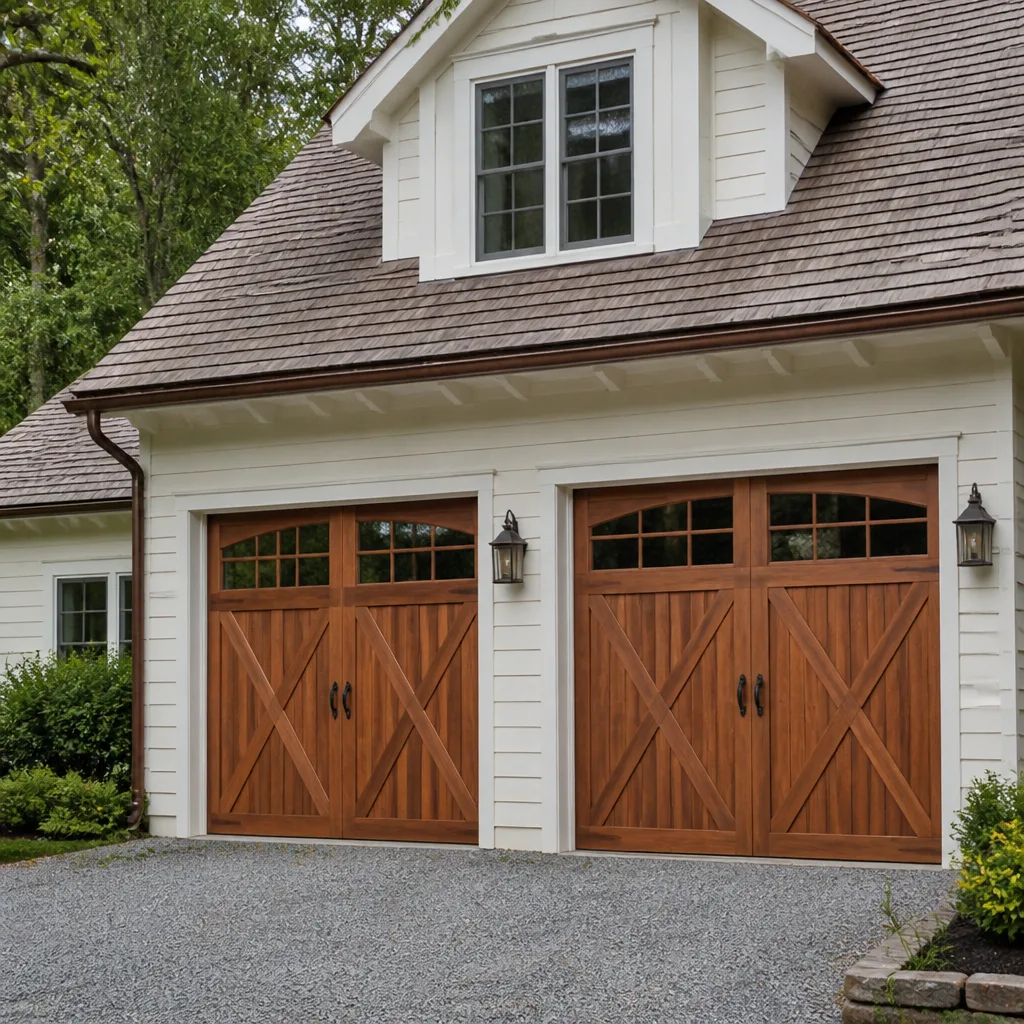 Carriage house
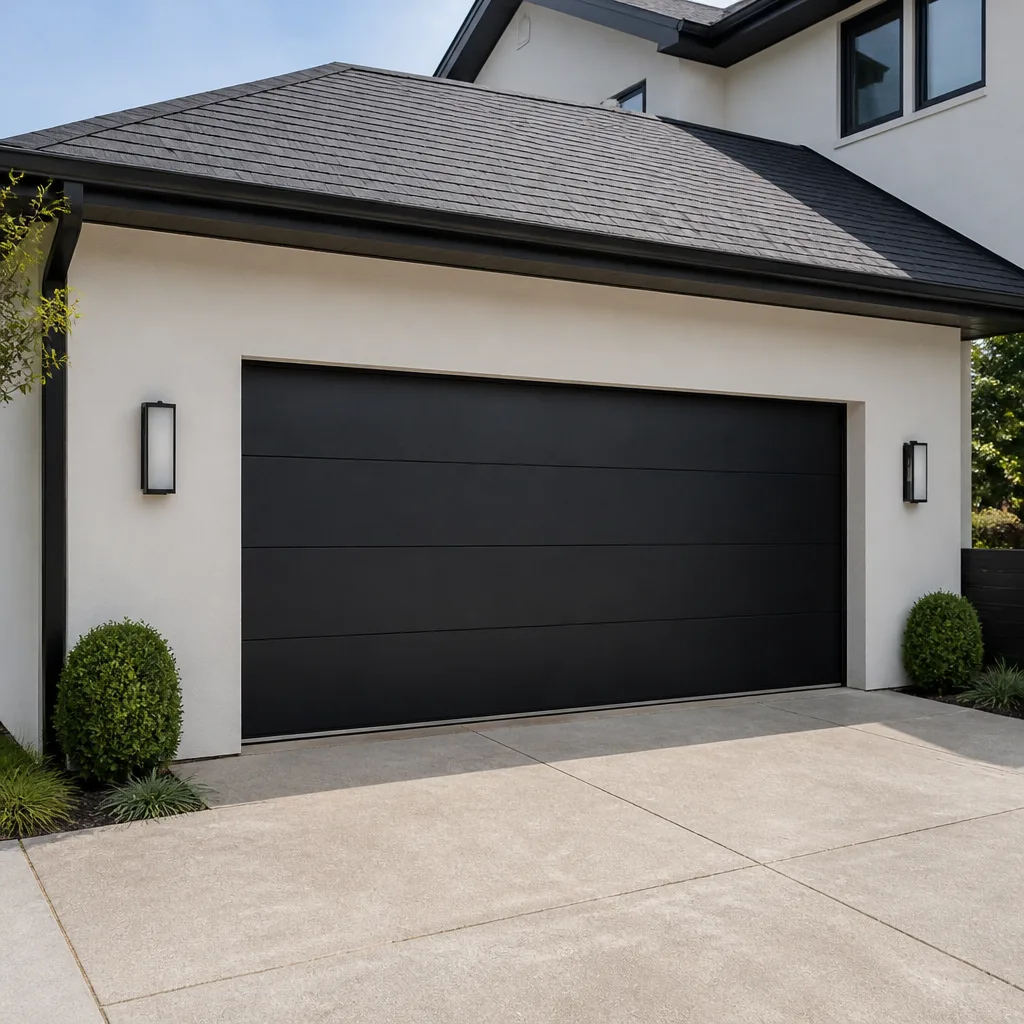 Modern flush
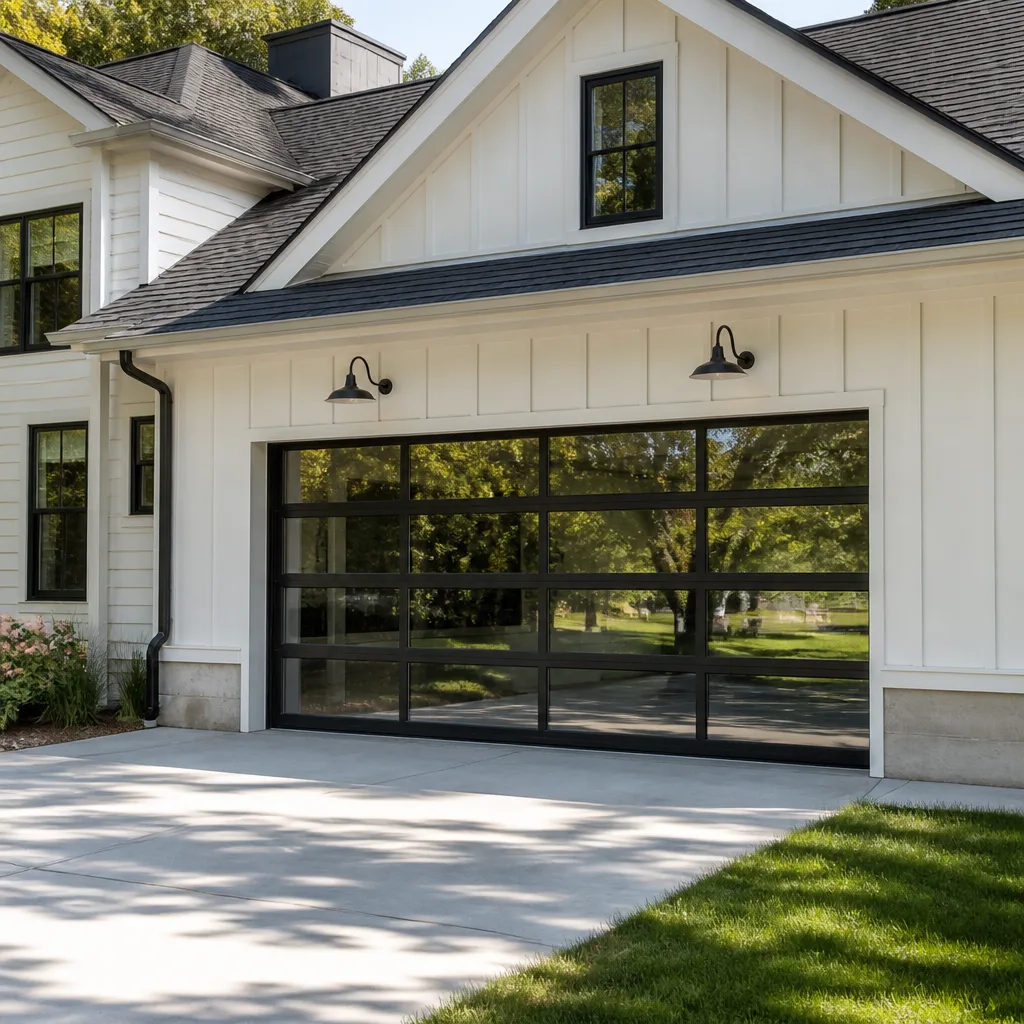 Full-view glass
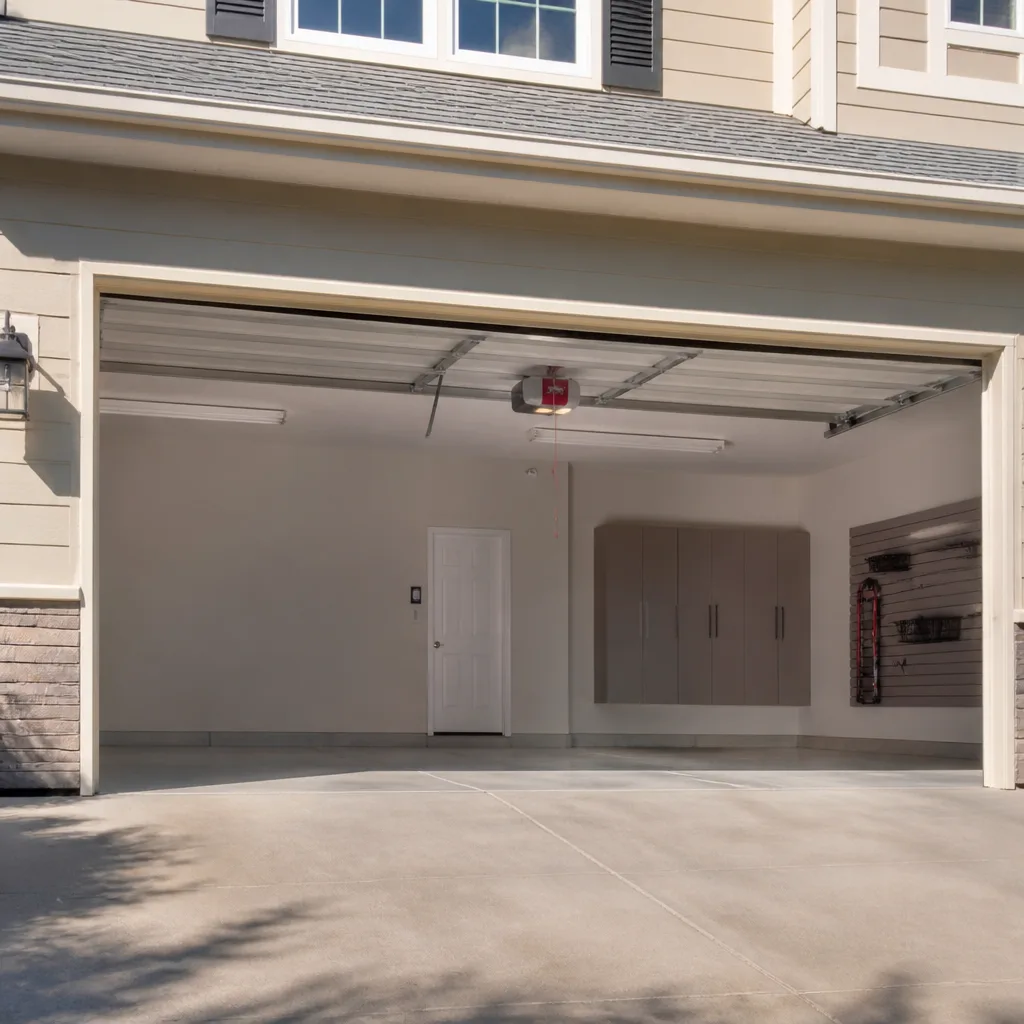 LiftMaster openers
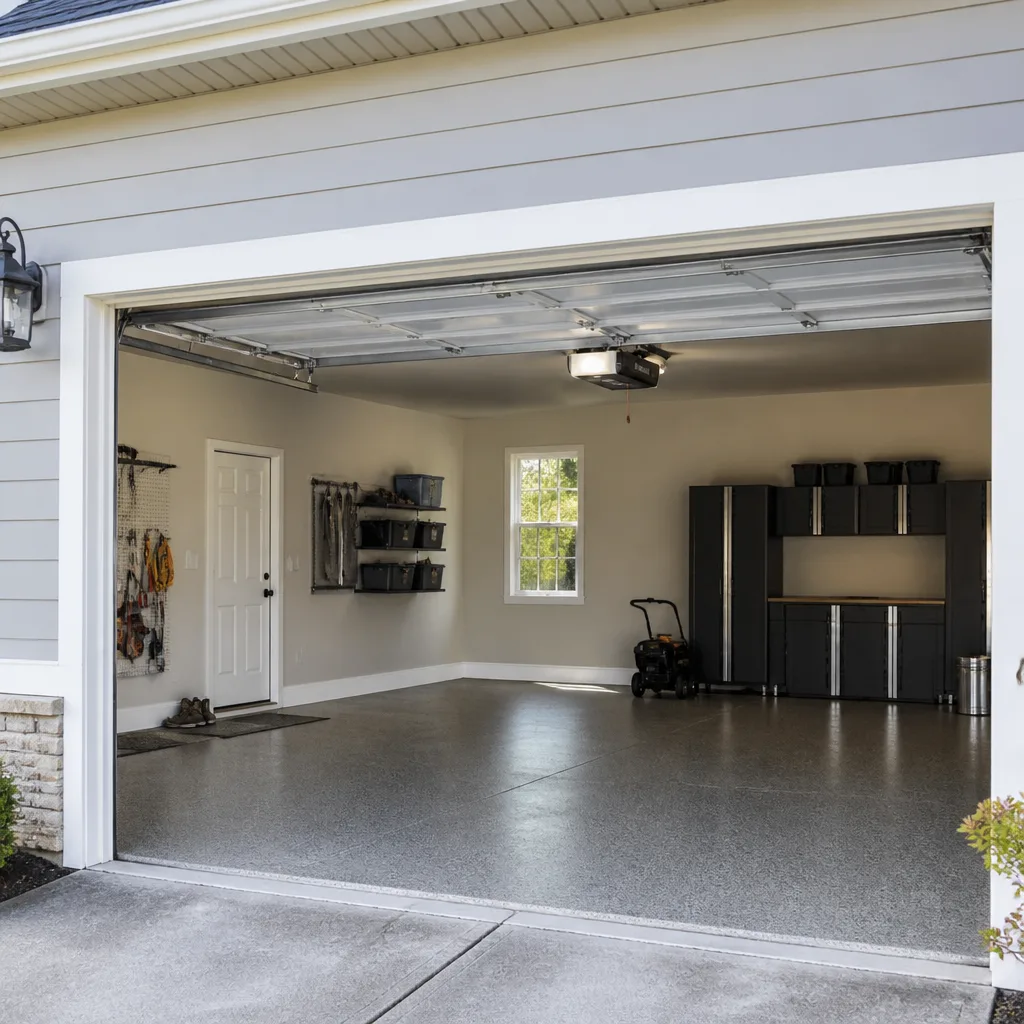 Chamberlain openers
Full 25-point door and opener safety check with every visit - springs, cables, rollers, tracks, and your LiftMaster or Chamberlain opener included
You get a price before we start. It does not change when the pro arrives.
Get your free estimateHow to Hire a Garage Door Contractor in Town ‘n’ Country: A Step-by-Step Guide
A five-star rating tells you a contractor is good at collecting reviews. It doesn’t tell you whether their technician is 10 minutes away or 45, or whether they’ll still be reachable when the spring they installed snaps eight months later. Most homeowners in Town ‘n’ Country find that out the hard way, after the invoice is paid and the phone number stops working. The online search results are full of companies that rank for local terms but dispatch from Tampa proper, so the “local” contractor you hire isn’t local at all. This guide walks you through verifying a license, reading a quote, understanding warranty terms, and checking permit history, so you hire a garage door contractor in Town ‘n’ Country who actually stands behind the work.
Styles & brands we work with
- Raised-panel steel
- Carriage house
- Modern flush
- Full-view glass
- LiftMaster openers
- Chamberlain openers
Quick Answer
Hiring a garage door contractor in Town ‘n’ Country means checking four things before you sign anything: a verifiable Florida license through the DBPR database, a written itemized estimate rather than a flat package price, a labor warranty in writing, and permit history on the job. If a contractor can’t produce all four, move on. The cheapest quote from a company you can’t verify is rarely the cheapest job.
Table of Contents
- Why Vetting a Garage Door Contractor Matters in Town ‘n’ Country
- How to Verify a Contractor’s License in Hillsborough County
- How to Read a Quote and Spot Bait-and-Switch Pricing
- Why Labor Warranty Matters More Than the Parts Warranty
- How to Use Permit History as Proof of Code-Compliant Work
- Red Flags Unique to the Garage Door Industry
- Questions to Ask Every Contractor Before You Hire
- What to Do When Your Door Fails Today
- Common Mistakes to Avoid
- When to Call a Professional
- Frequently Asked Questions
- The Bottom Line
Why Vetting a Garage Door Contractor Matters in Town ‘n’ Country
Garage doors are heavy machinery that most people use twice a day and never think about until something breaks. A torsion spring, fully wound, holds hundreds of pounds of energy in a rod the width of a broomstick. When it fails, it fails loudly and dangerously. That mechanical reality is why the person who works on your door matters more than the person who cleans your gutters or paints your fence.
The hiring problem in Town ‘n’ Country is a little specific. This is a large census-designated community in unincorporated Hillsborough County, spread across postal codes that sit right next to Tampa proper. The result is a market flooded with companies that show up for “Town ‘n’ Country garage door repair” searches but route trucks out of Tampa. You call, you get a caller-center, and you find out that “we’ll be there this afternoon” actually means “whenever the driver finishes jobs in three other places.” Some are perfectly legitimate. Others are lead-generation outfits that subcontract the actual work to whoever answers first.
Our own approach is to know the customer’s brand before we show up. We work on LiftMaster, Chamberlain, Genie, Clopay, Amarr, Wayne Dalton, Craftsman, and Raynor systems, so a technician arrives already familiar with the specific opener or door on your house. That’s not a marketing line. It’s the difference between a two-hour fix and a four-hour job that needs parts ordered and a return visit.
What this section teaches: why local presence is not the same as local search ranking, and how to look for the signs that a company genuinely operates in this part of Hillsborough County rather than pointing a feed at it.
How to Verify a Contractor’s License in Hillsborough County
Florida law requires garage door contractors to hold a state license for structural and installation work. The license is verifiable in about five minutes using the Florida Department of Business and Professional Regulation (DBPR) license lookup. Do this before you agree to anything. Every contractor you’re considering should be able to give you a license number without hesitation.
Here’s the step-by-step:
- Ask the contractor for their Florida license number. Any resistance is a red flag on its own. A legitimate contractor treats this as routine.
- Visit the DBPR license lookup at myfloridalicense.com. The search tool is under “Verify a License.”
- Enter the license number. If you don’t have it, search by the individual or business name.
- Check the license status. You want “Current, Active.” A license showing “Delinquent,” “Null and Void,” or “Suspended” means the contractor is not currently eligible to do the work.
- Check the license type. Garage door installation typically requires a specialty or general contractor license depending on the scope. Ask the contractor which license class they hold and confirm it matches the work you’re hiring them for.
- Check the expiration date. If it’s within 90 days, ask how they plan to complete the work before the license lapses.
- Screenshot the result. If anything goes wrong later, you have a record of what you verified and when.
Our own technicians work as vetted local professionals licensed and insured as the state of Florida requires. We can point you to the license lookup the same way any contractor should. If a company is cagey about the DBPR step, that tells you something about how they’ll handle a warranty claim.
How to Read a Quote and Spot Bait-and-Switch Pricing
A flat “package” price is one of the easiest places for a bait-and-switch to hide. You call about a snapped spring, get quoted $149 over the phone, and then the technician arrives and tells you the price doesn’t include the spring, the labor, the safety inspection, or the “balance and alignment fee.” The real number lands at three or four times the original quote. In our experience, this is the single most common complaint we hear from homeowners in Town ‘n’ Country.
The defense is itemization. Ask for a written estimate that separates:
- Parts. Each part should be listed with its brand or specification and its line-item cost. For a spring, you should see “torsion spring” or “extension spring” on the line, not just “spring kit.”
- Labor. The hours, the rate, and what’s included.
- Disposal and haul-away. If the old door or spring is leaving the property, this is a separate line. Ask what it is.
- Any required hardware or fasteners. New bottom brackets, cables, rollers, hinges, and drums may or may not be included in a labor figure. Ask.
- Tax. Listed separately, not folded into a round number.
Here’s the general range of a spring replacement in the Town ‘n’ Country market, and it’s worth knowing before you talk to anyone:
| Job | Typical Estimate |
|---|---|
| Single torsion or extension spring replacement | $180 – $340 |
| Matched pair of springs (both sides replaced together) | $360 – $680 |
| Opener repair (motor, logic board, or gear assembly) | $150 – $350 |
| New opener installation | $350 – $800 depending on opener and existing wiring |
| New garage door, single-car | $1,100 – $2,400 depending on material and insulation |
| New garage door, double-car | $1,800 – $3,800 depending on material and insulation |
These are typical ranges for this market, not quotes. The written estimate you receive is the price. Nothing should be added after the fact. If a technician starts the work and then tells you the quote “didn’t include” something, that’s a conversation to have before the first screw goes in, not after. We quote a flat written price before any work starts, so the number on the estimate is the number on the invoice.
Two specific questions to ask every contractor you talk to:
- “Can you break down the parts and labor separately, in writing, before the work starts?” If the answer is no, that’s the answer.
- “What’s the total I’ll be charged, including tax and disposal, if nothing unexpected comes up?” This is the number you compare across contractors.
Why Labor Warranty Matters More Than the Parts Warranty
Most parts come with a manufacturer warranty. Springs, openers, and door panels are covered by the brand you buy – even Craftsman and Raynor parts carry their manufacturer warranty. What’s usually missing is a labor warranty: the promise that if the technician’s work fails, the contractor will come back and fix it without charging you again. That’s the coverage that actually matters for most repairs, and it’s the one bait-and-switch operators don’t offer.
A legitimate labor warranty looks like this:
- It’s in writing on the estimate or invoice, not just spoken over the phone.
- It states the time period, the geographic scope (whether they’ll dispatch a technician to Town ‘n’ Country or require you to bring the door to them), and what’s covered vs. what isn’t.
- It covers workmanship failures – a spring that fails prematurely due to incorrect tensioning, a door that comes out of balance, an opener that was misaligned during installation.
- It has a clear process for a claim – one phone number, one response window.
What a labor warranty should not do: exclude the most common failure modes, require you to prove something wasn’t your fault, or disappear if the original installer leaves the company. If the warranty language sounds like it was written to protect the contractor rather than the customer, ask for it to be rewritten. A contractor who declines to put labor coverage in writing is telling you what their follow-through will look like.
The parts warranty and the labor warranty are two different things. Some manufacturers require an authorized installer to keep the parts warranty valid, so ask whether your contractor is authorized to install the brand they’re recommending. For us that’s a non-issue – we service all eight major brands and know their coverage terms. For any other contractor you’re vetting, ask.
How to Use Permit History as Proof of Code-Compliant Work
Permits are the most underused tool in contractor vetting. Most homeowners never ask, and it’s exactly what would have saved them from a bad job six months down the road. When a garage door is installed or structurally modified, the work generally requires a permit from Hillsborough County. Most cities and counties require this, so it’s worth confirming with the Hillsborough County building department what triggers a permit for your specific job.
Here’s how to use the permit history:
- Ask the contractor upfront whether a permit is required for your job. If they say “no permit needed” without knowing the scope, get a second opinion from the county.
- Before final payment, request the permit number and the inspection sign-off. A legitimate contractor will have both.
- Verify the permit through the Hillsborough County online permit portal. Search by address, not just by contractor.
- Confirm the inspection was passed, not just scheduled. A scheduled inspection is not a passed inspection.
- Hold final payment until you see the closed permit or the passed inspection record.
Why this matters more than the review: a permit is a third-party record that the work met a specific code standard. It’s outside the contractor’s control. If the door went in without a permit and something goes wrong later – a door that falls, an opener that fails an inspection during a home sale – you’re the one holding the problem. Most municipalities require a permit for installation and structural work on a garage door system. Ask the Hillsborough County building department what applies to your job, and let that answer inform how you hold the contractor accountable.
Requesting permit history before final payment is also a mild test of how the contractor responds. A company that treats it as routine is telling you they’re comfortable with oversight. A company that gets defensive is telling you something else.
Red Flags Unique to the Garage Door Industry
Garage door work attracts a specific kind of bad actor. Here’s the short list we’ve seen in Town ‘n’ Country and want every homeowner to know.
- No physical business address. A phone number and a website aren’t a business. Ask for a physical address and look it up on Google Maps. If the address is a mailbox store or a P.O. box, you’re probably dealing with a lead-generation operation that resells jobs. Ask where their technicians are dispatched from.
- Only mobile payment accepted. Cash App, Zelle, and Venmo are fine as options, but they should never be the only option for a licensed contractor. A company that won’t take a card or a check is structured to be hard to find later. It also means no chargeback protection for you.
- No written estimate. Ever. If the price is spoken on the phone or at the door and never written down, you don’t have a price. You have a promise. Bait-and-switch operators rely on this because a verbal quote is nearly impossible to dispute.
- High-pressure “today only” pricing. Any contractor who tells you the price goes up tomorrow if you don’t sign right now is telling you the price was never about the work. Real estimates don’t expire on an hourly clock.
- Quoting a single spring when both should be replaced. Matched-pair springs are meant to be replaced together. A quote that includes one spring when both are worn is a job that will need a second visit within a year, at your cost.
- Refusing to give a license number. Covered above, but it’s worth repeating. The DBPR lookup is a five-minute phone call. Any hesitation is the answer.
- Subcontracting to a handyman. Garage door repair, especially spring work, is outside the scope of general handyman work. A handyman who’s “done a few of these” is not the person to unwind a torsion spring.
Questions to Ask Every Contractor Before You Hire
The right questions surface the difference between a serious contractor and a phone number. Ask these before you book:
- What’s your Florida license number, and can I look it up on DBPR?
- Do you have insurance, and can you send a certificate of insurance before the work starts?
- What’s the itemized cost of parts and labor for my job, and is it written down?
- Which brands are your technicians certified to work on? (The right answer is specific, not “all of them.” Ask about your specific brand – LiftMaster, Chamberlain, Genie, Clopay, Amarr, Wayne Dalton, Craftsman, Raynor.)
- Do you handle spring repair in-house, or do you subcontract it? (In our experience, subcontracted spring work is the most common reason a job turns into three visits.)
- What does your labor warranty cover, and how long does it run?
- Where do your technicians dispatch from when working in Town ‘n’ Country?
- Will a permit be required, and who pulls it?
- What’s the process if I’m not satisfied when the work is done?
- Can you give me three addresses in Hillsborough County where you’ve done similar work in the last year? (Legitimate contractors sometimes can’t share addresses for privacy reasons – but they’ll tell you why, and can usually give you a neighborhood name or two.)
Notice that none of these questions are about price. Price is fifth or sixth on the list on purpose. The first four questions filter out most of the companies you’d regret hiring, and the rest of the conversation tells you whether the remaining ones can actually do the work. Our approach is to answer every one of these before the technician is dispatched, and to do the work in-house rather than handing it off.
What to Do When Your Door Fails Today
A snapped spring or a door stuck open overnight is a different kind of hiring decision. You don’t have a week to vet contractors; you have a morning. Here’s how to handle it without getting burned.
First, do not run the opener. If the spring is broken, the opener is now lifting the door’s full weight alone. It’s designed to lift maybe 10 to 15 pounds of assistance, not 200 pounds of door. Every cycle risks the opener motor, the door, and the tracks. Pull the manual release only if you need the door down, and if you do, get out from under it before you pull.
Second, keep the door in place and off the tracks. If the door is stuck open, do the same: leave it, don’t force it, and don’t try to walk the door down by hand.
Third, call a contractor who treats it as urgent. We answer 24/7 and dispatch technicians from 7am to 7pm, Sunday through Friday. When your door won’t move, we will. A call outside dispatch hours is booked into the next opening, Sunday through Friday, 7am to 7pm. Sunday dispatch is available; we’re closed Saturday.
Fourth, remember the same hiring principles apply under pressure. Ask for the license number, ask for the written estimate before the technician starts, and ask what the total will be. A legitimate contractor can answer all three in the first minute. If they can’t – or won’t – that’s your answer, even when you need the door fixed today.
When you’re ready to schedule a repair rather than an emergency call, our garage door repair team handles everything from a snapped spring to a door that’s come off the track. For spring-specific work, we do it in-house, not subcontracted. For opener issues, our garage door opener repair team covers LiftMaster, Chamberlain, Genie, Craftsman, and the rest of the major platforms, including the myQ-enabled systems.
Common Mistakes to Avoid
- Hiring on the first Google result and the review count. Reviews tell you the company is good at collecting reviews. They don’t tell you where the technician is dispatched from. If the phone number routes to a call center in another state, the local search result was paid for, not earned.
- Not asking for a license before you book. The DBPR lookup is free and takes five minutes. In our experience, homeowners who skip it are the ones who end up paying twice. Ask for the number, look it up, screenshot the result.
- Accepting a verbal estimate. A written estimate is the only version you can dispute later. Even under emergency pressure, the estimate should come before the work starts. If a contractor resists writing it down, that’s not an emergency – that’s a warning.
- Skipping the permit. Garage door installation and structural modification typically requires a permit in Hillsborough County. A contractor who says “we don’t bother with permits” is putting the future of your home sale and your insurance coverage at risk. Ask the county what applies to your job.
- Replacing one spring instead of both. Springs come in matched pairs because they were installed together and wear together. One new spring on a door with a worn partner is a job that fails within the year. Ask for the pair quote and compare.
- Treating spring repair as a DIY job. Torsion springs and their cables are the most mechanically dangerous part of a garage door system. They hold hundreds of pounds of tension that releases without warning. A garage door spring failure has sent experienced technicians to the emergency room. Don’t try it yourself.
- Missing the labor warranty. The parts warranty is standard. The labor warranty is the one that determines what happens when the work is subpar. Get it in writing, ask what it covers, and read the fine print before you sign.
Any of these mistakes on its own is annoying. Together they’re how a $200 spring repair becomes a $1,200 door replacement that was never needed. The point of vetting isn’t to be paranoid – it’s to keep the job small and the number predictable.
When to Call a Professional
Some jobs are reasonable to handle at home. Cleaning the tracks, lubricating the rollers, replacing a battery in the remote, and tightening a loose bracket are all fine. Anything that involves the springs, cables, opener electrical, or the door coming off the track should be a call to a trained technician.
The scenarios where you should call:
- A loud bang from the garage followed by a door that won’t lift. That’s a spring, and it’s the most dangerous failure in the system.
- A door that closes unevenly, hangs low on one side, or reverses for no reason. Balance problems put strain on the opener and can cause the door to come off the track.
- A door stuck open. The door is now a security gap and a weather exposure risk. It needs to be brought down safely, not forced.
- An opener that runs but doesn’t move the door, or moves it partway and stops. That’s a logic board, gear assembly, or limit switch issue – not something to troubleshoot with a multimeter unless you’re comfortable with line voltage.
- A door with a broken cable. Cables rarely fail alone. If one snaps, the spring may have been compromised, and both need inspection.
- Any damage from a vehicle impact, storm debris, or a forced entry attempt.
Town ‘n’ Country Garage Door Repair offers free estimates in Town ‘n’ Country – call (855) 419-7945. We answer 24/7. Fast dispatch from 7am to 7pm, Sunday through Friday. We work on the brand you already own – LiftMaster, Chamberlain, Genie, Clopay, Amarr, Wayne Dalton, Craftsman, and Raynor – and we handle spring repair in-house, not subcontracted. From installation to repair, one call covers it all, and we quote a written price before any work starts.
Frequently Asked Questions
Garage door spring repair in Town ‘n’ Country typically runs $180 – $340 for a single torsion or extension spring, and $360 – $680 for a matched pair, which is what most worn doors actually need. The estimate is free, and the written quote you receive before work begins is the price. Call (855) 419-7945 for an exact quote – estimates are free.
Not if the quote was written properly. Our written estimate is the price, and we agree to it before any work starts. What sometimes changes the total is discovering damage the homeowner didn’t know about – a cracked cable, a bent track, a compromised bottom bracket – and in those cases the technician should stop and quote the additional work before continuing, not after.
Yes, in most cases. We answer 24/7 and dispatch technicians from 7am to 7pm, Sunday through Friday. A call outside dispatch hours is booked into the next opening, Sunday through Friday, 7am to 7pm. We’re closed Saturday. When your door won’t move, we will – call (855) 419-7945 to book it.
The local pros we connect you with are licensed and insured as Florida requires, and you can verify the license in the DBPR database at myfloridalicense.com. Our technicians have up to 12 years of experience. If you want to verify before booking, we’ll provide the license number without hesitation.
Most installation and structural modification work on a garage door requires a permit from Hillsborough County. Permit requirements depend on the specific scope – replacing a door with an identical model sometimes triggers a permit, sometimes doesn’t. Ask the Hillsborough County building department what applies to your address before the work begins. We’ll confirm permit needs before we schedule the job.
Ask for a physical business address and look it up on Google Maps, ask where technicians are dispatched from when they work in Town ‘n’ Country, and ask for references from Hillsborough County addresses. A company that ranks for “Town ‘n’ Country garage door repair” but routes vans out of Tampa proper will struggle with the second question. A local operation answers it without hesitation.
Our technicians are certified to service eight of the most widely owned garage door brands: LiftMaster, Chamberlain, Genie, Clopay, Amarr, Wayne Dalton, Craftsman, and Raynor. If you own one of those, we’ll arrive already familiar with your system. If you own something else, ask – most common residential brands fall within those families.
Leave it in place and don’t force it down. Keep people and pets clear of the door, and don’t run the opener if the spring is broken. Call us at (855) 419-7945. We answer 24/7, and a call outside dispatch hours is booked into the next opening, Sunday through Friday, 7am to 7pm.
The Bottom Line
Hiring a garage door contractor in Town ‘n’ Country is really a four-question process: can you verify their license, will they write an itemized estimate, what’s the labor warranty, and can you pull the permit history. Everything else – the review count, the price, the promises on the phone – is secondary. If those four answers are solid, the job will probably be fine. If any of them are missing, walk away, even if the quote is the lowest. The companies that make this easy to check are the ones you want working on a spring that holds hundreds of pounds of tension above your car.
Our Town ‘n’ Country Garage Door Repair team handles the full spectrum – installation, repair, opener work, and spring work – and we’re comfortable with the vetting questions above. When you’re ready to move forward on an installation or replacement, our garage door installation team will measure, walk you through the brand options, and give you a written price before anything is ordered.
Ready to get an estimate? Call (855) 419-7945 for a free estimate. We answer 24/7. Fast dispatch from 7am to 7pm, Sunday through Friday. Closed Saturday. Town or country, we come to you.
Written by the team at Town ‘n’ Country Garage Door Repair.
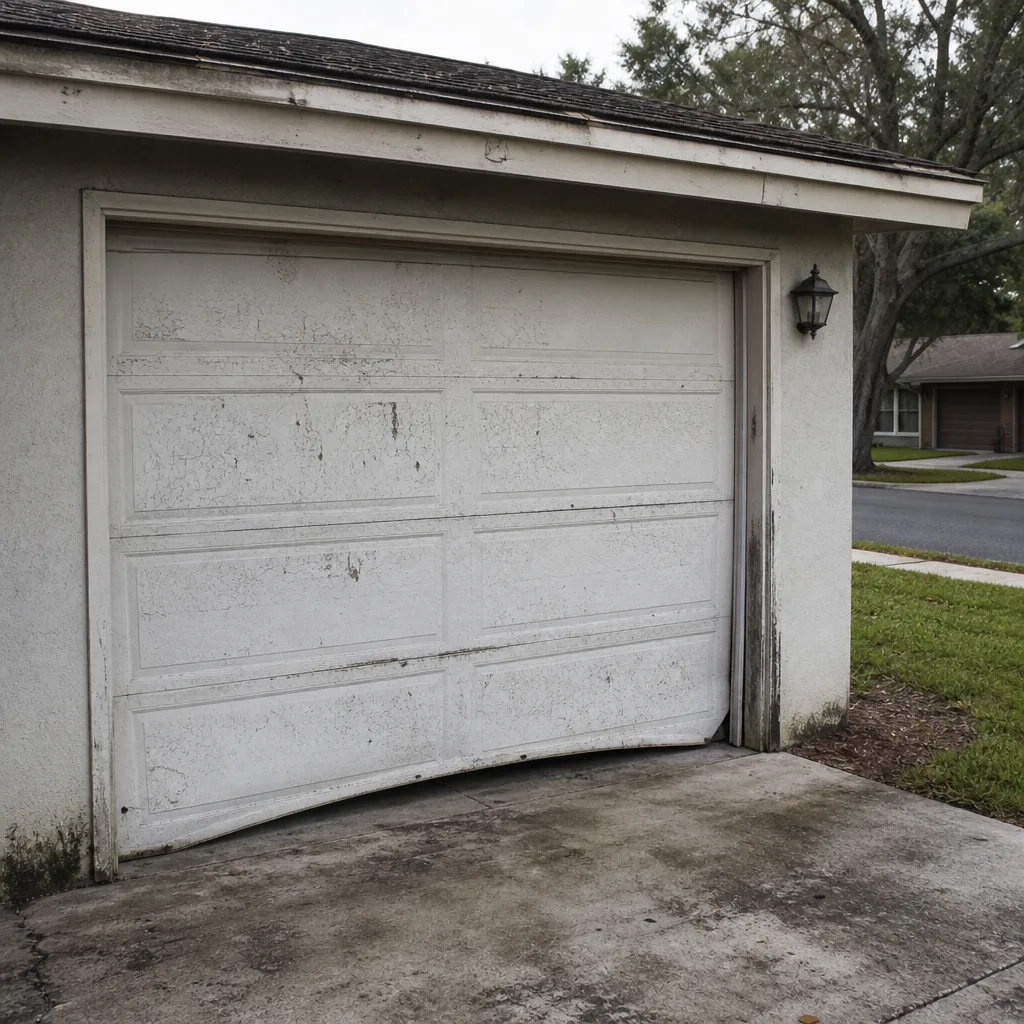
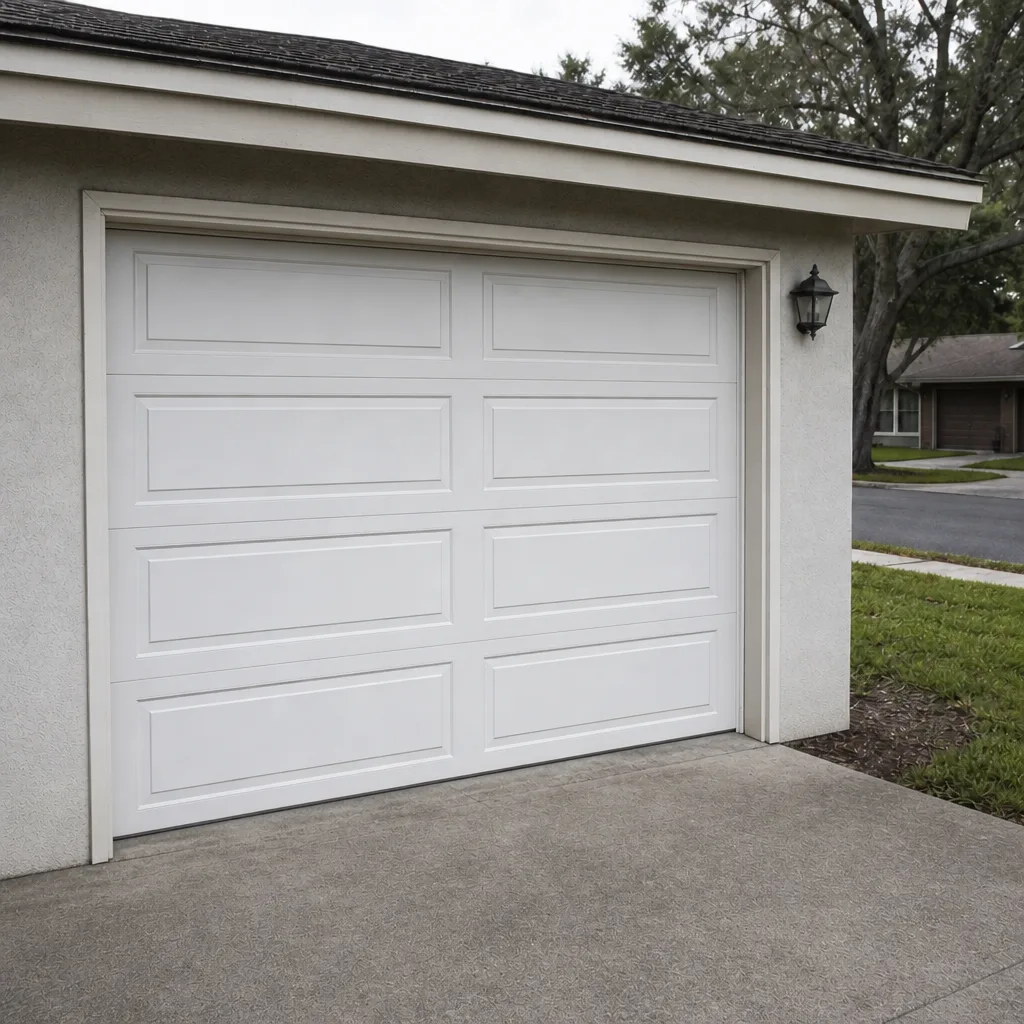
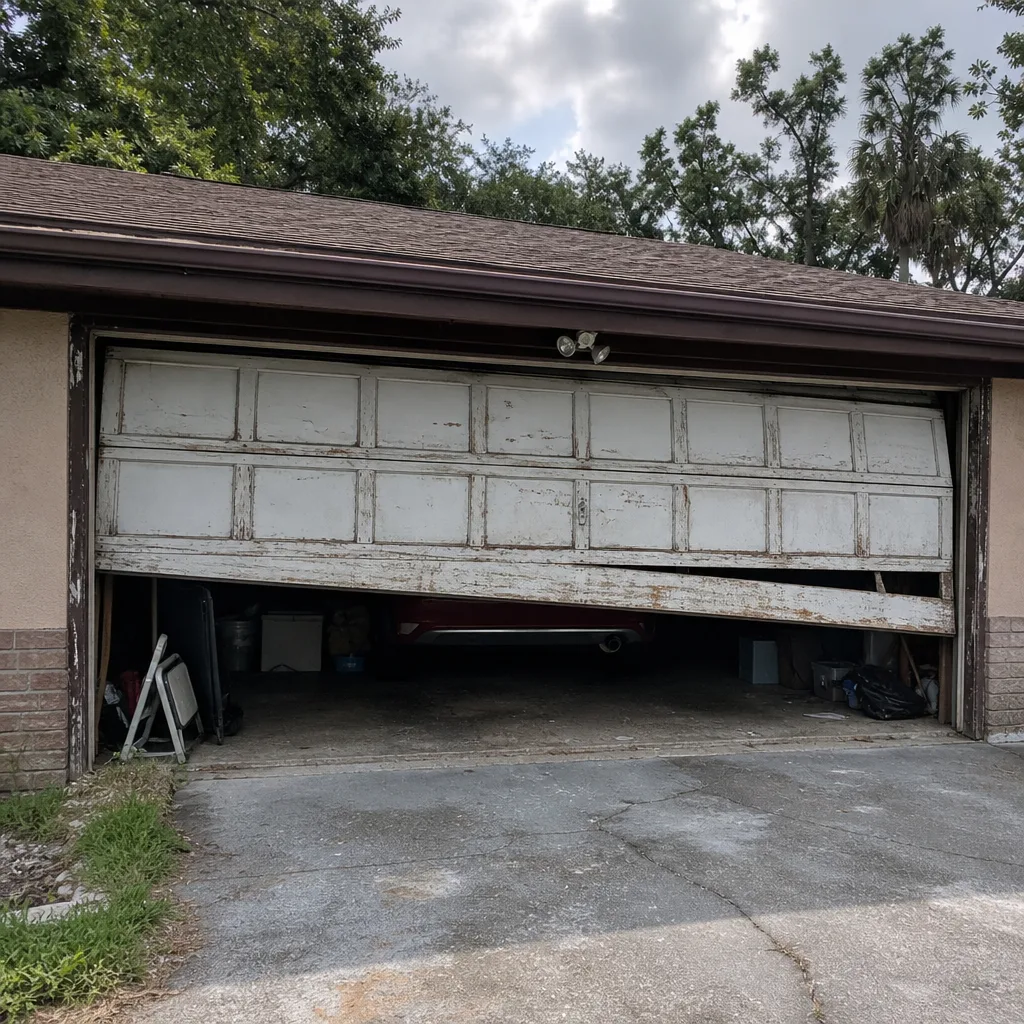
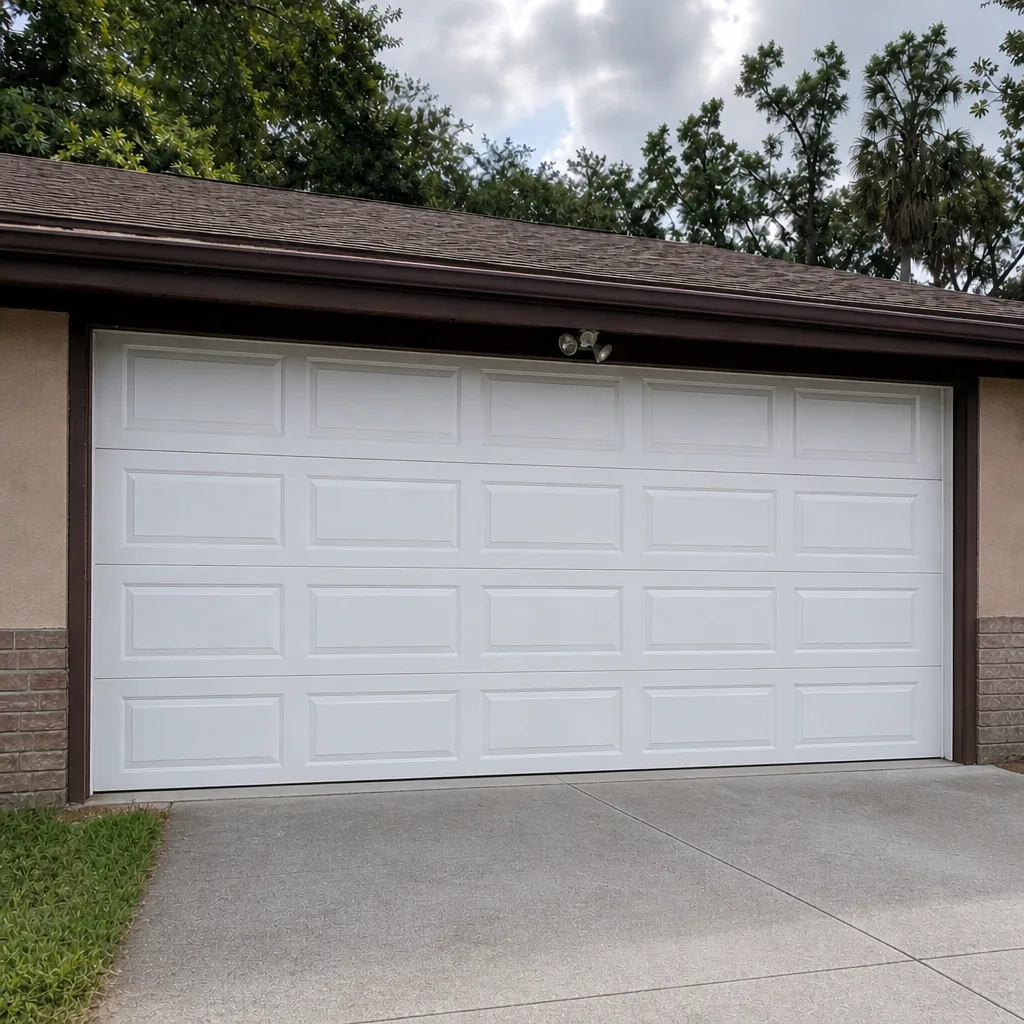
See the difference
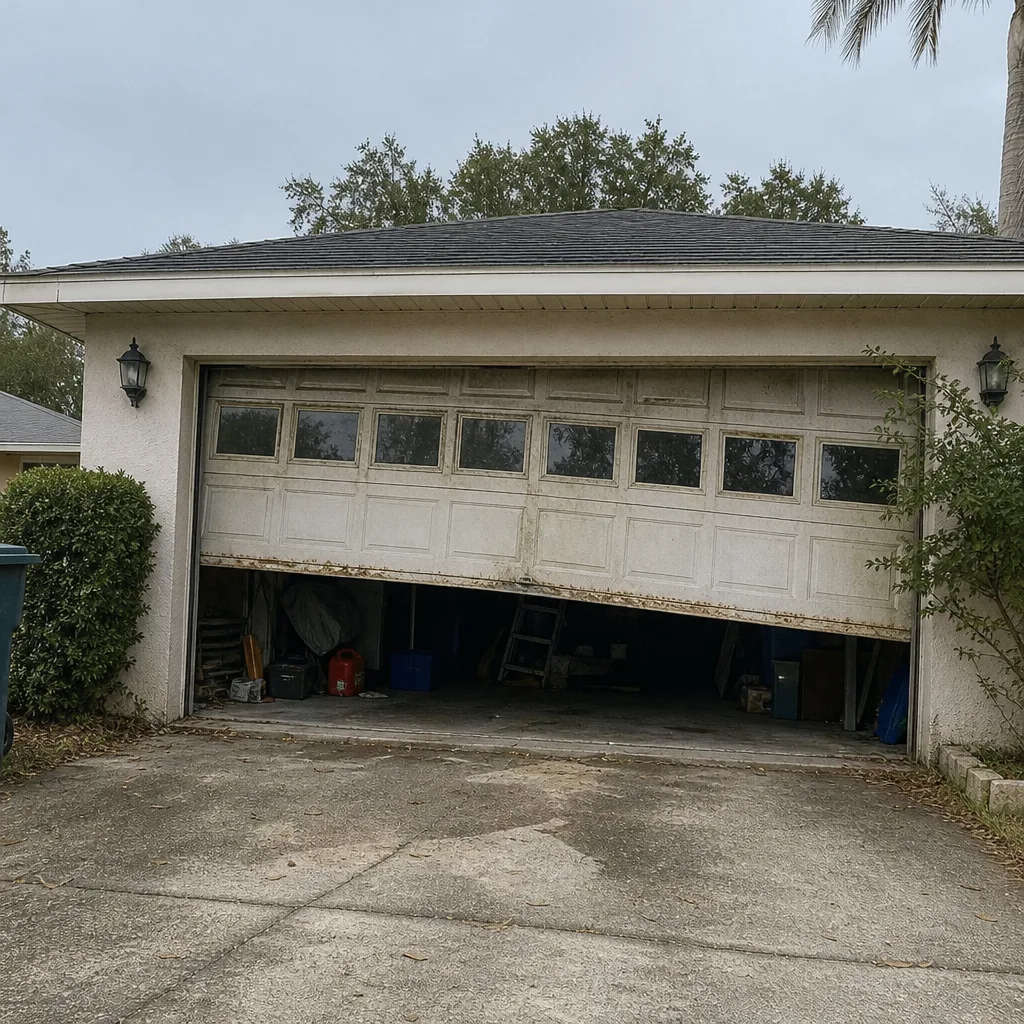 Before
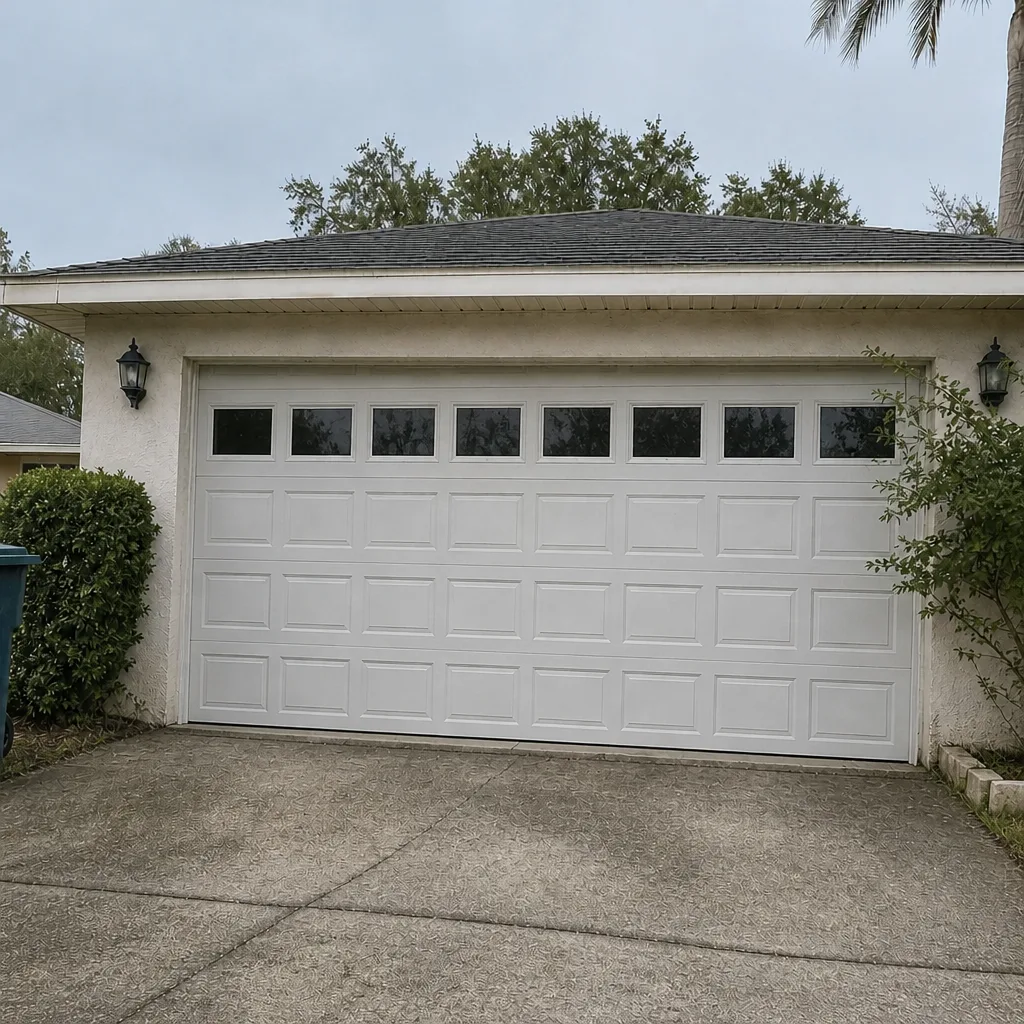 After
 Before
 After
 Before
 After