
Last updated November 23, 2026
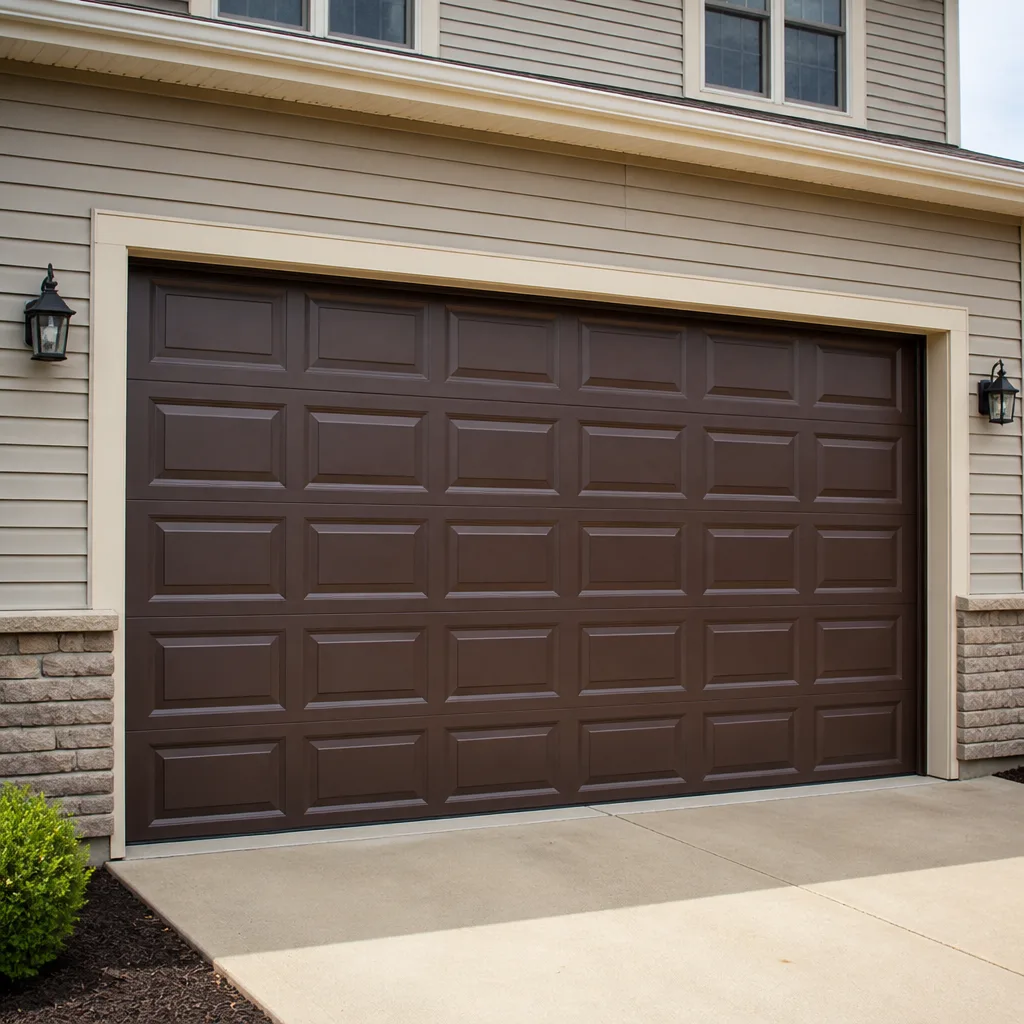 Raised-panel steel
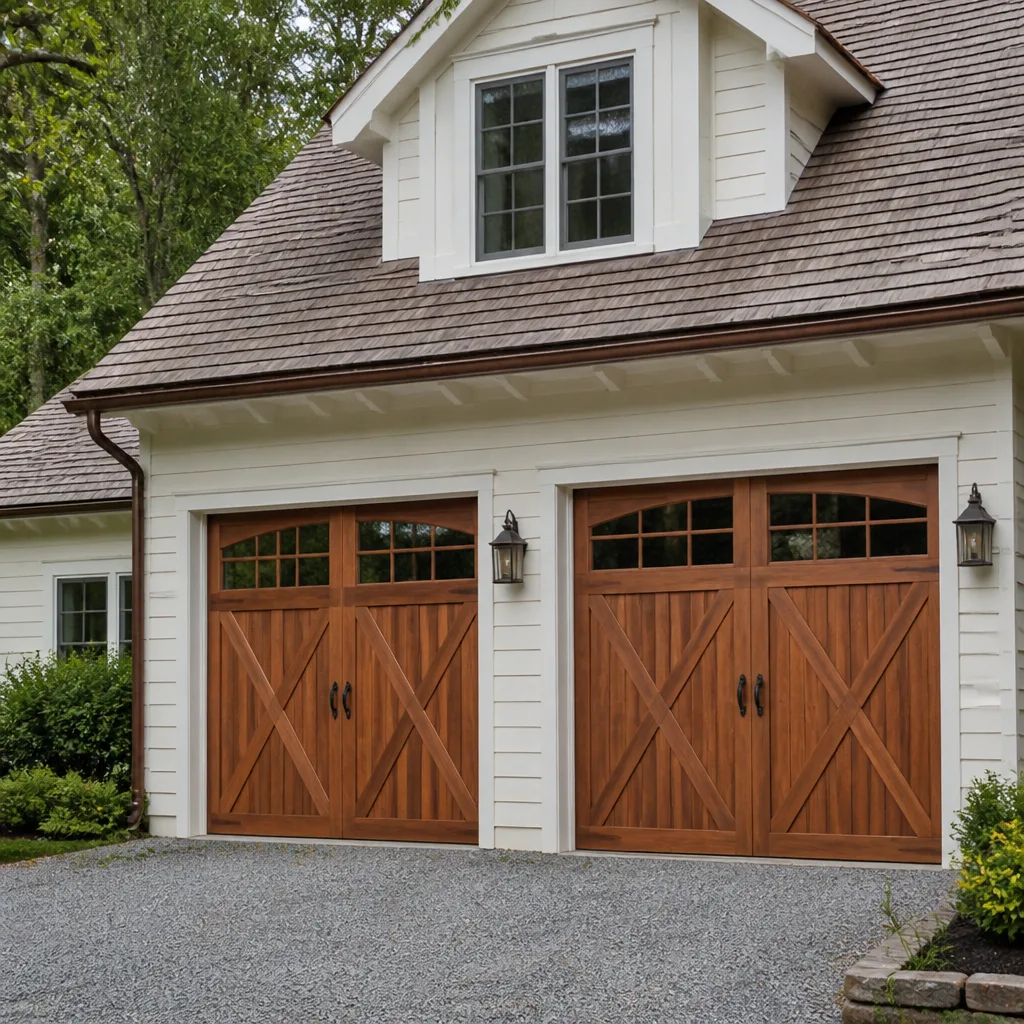 Carriage house
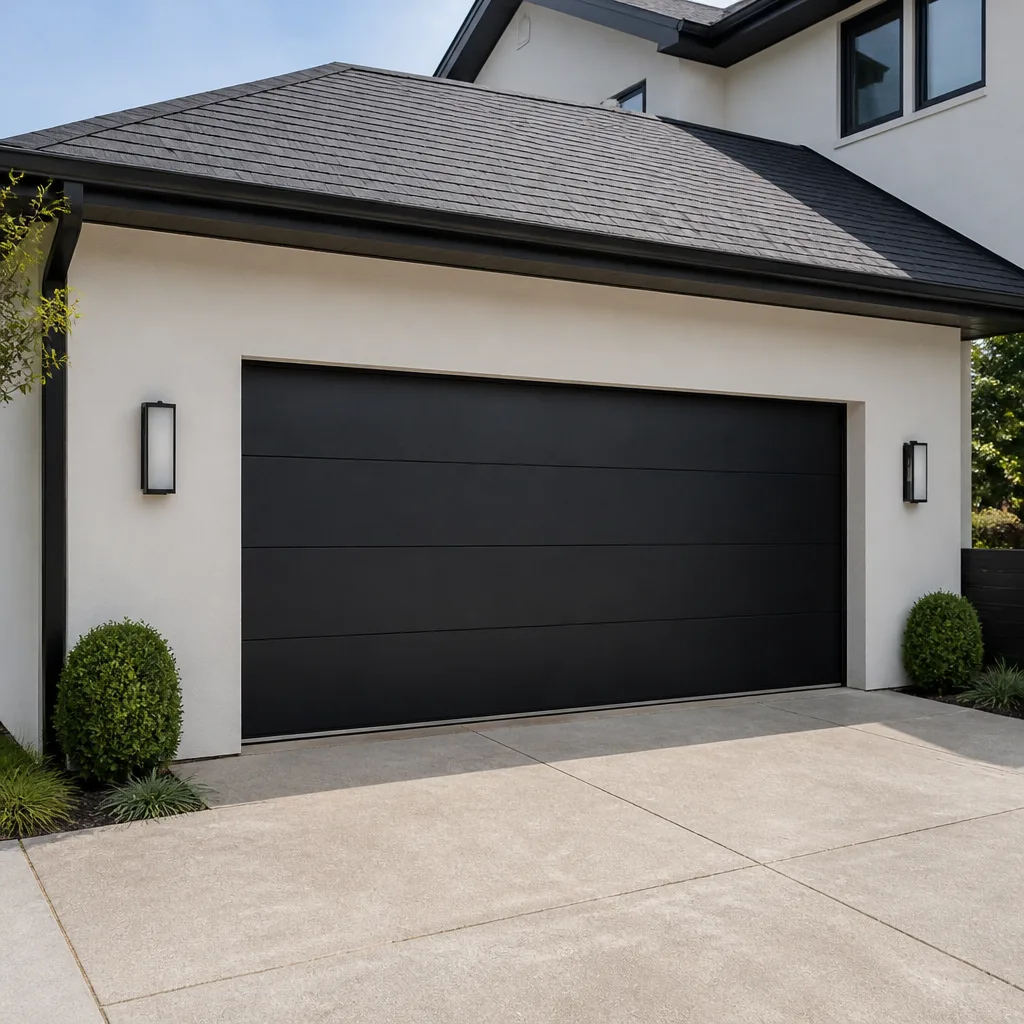 Modern flush
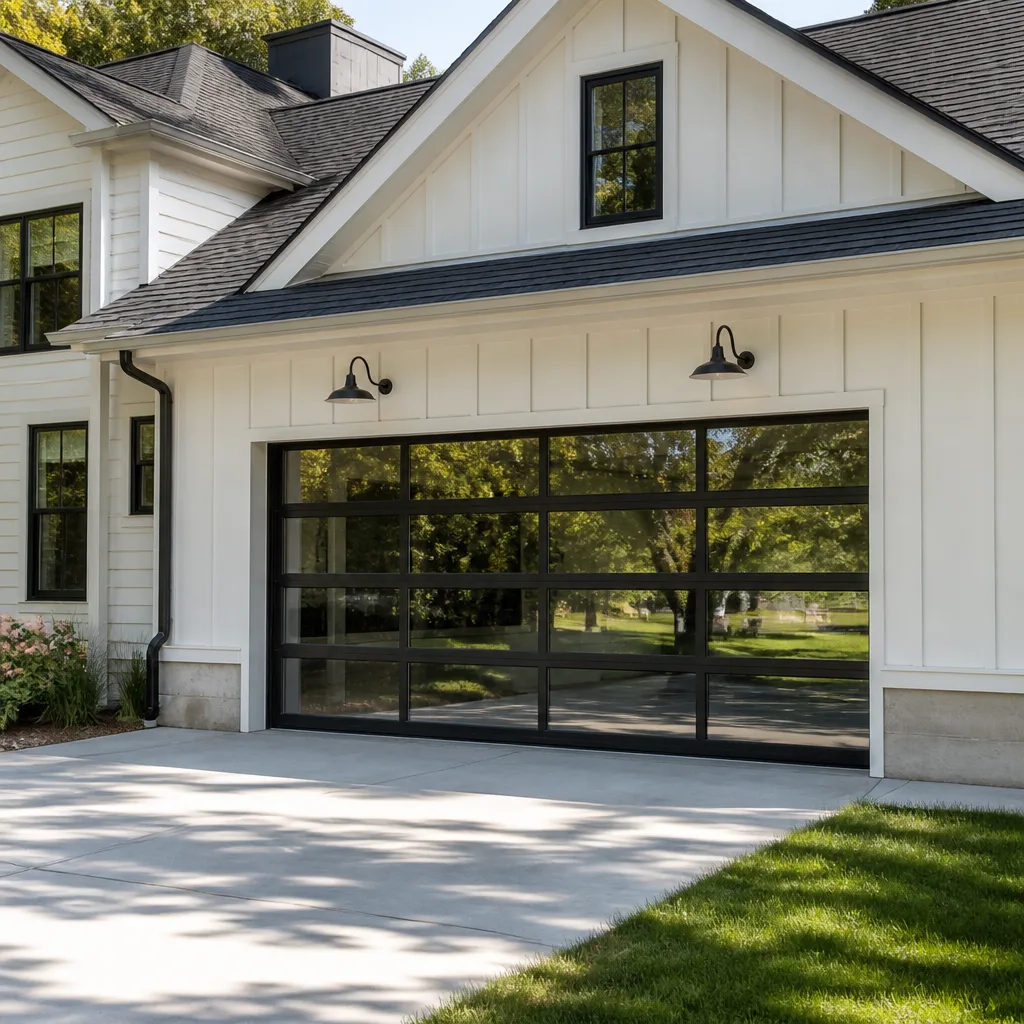 Full-view glass
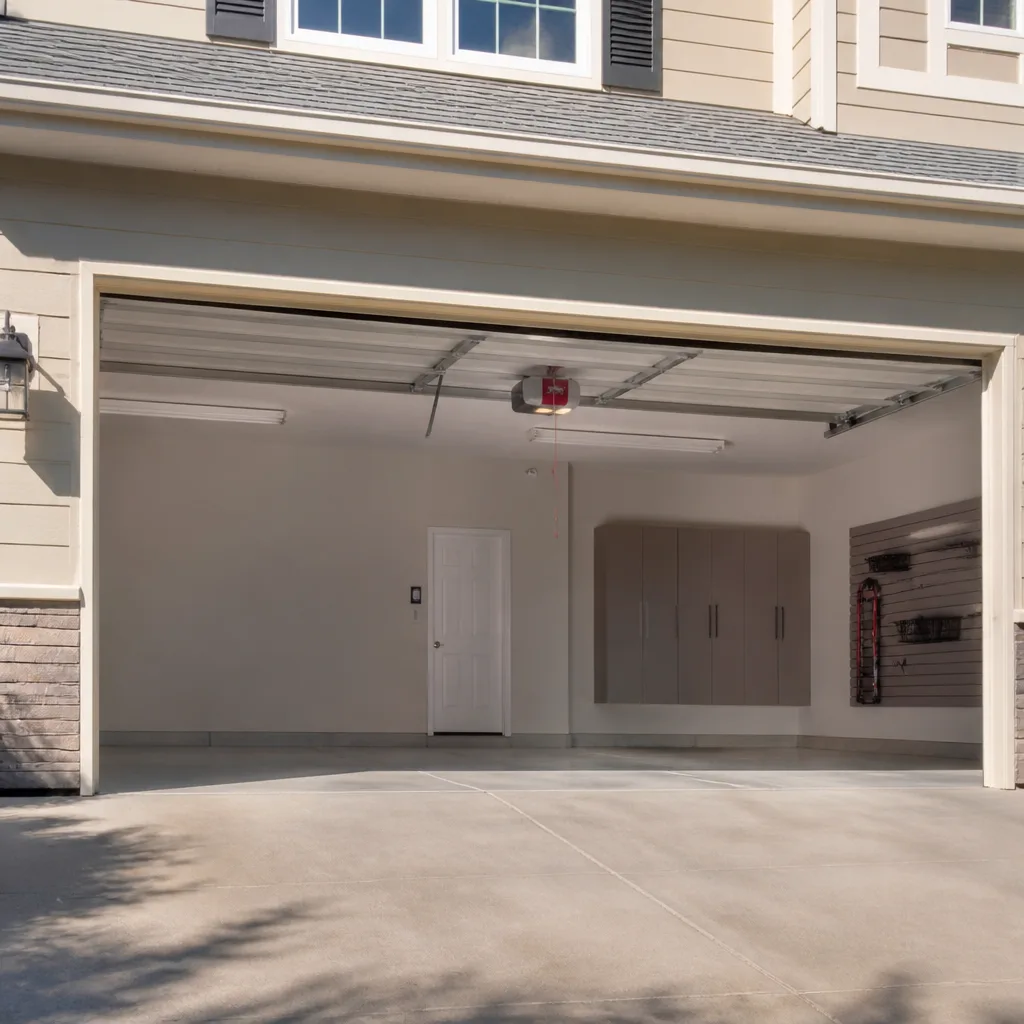 LiftMaster openers
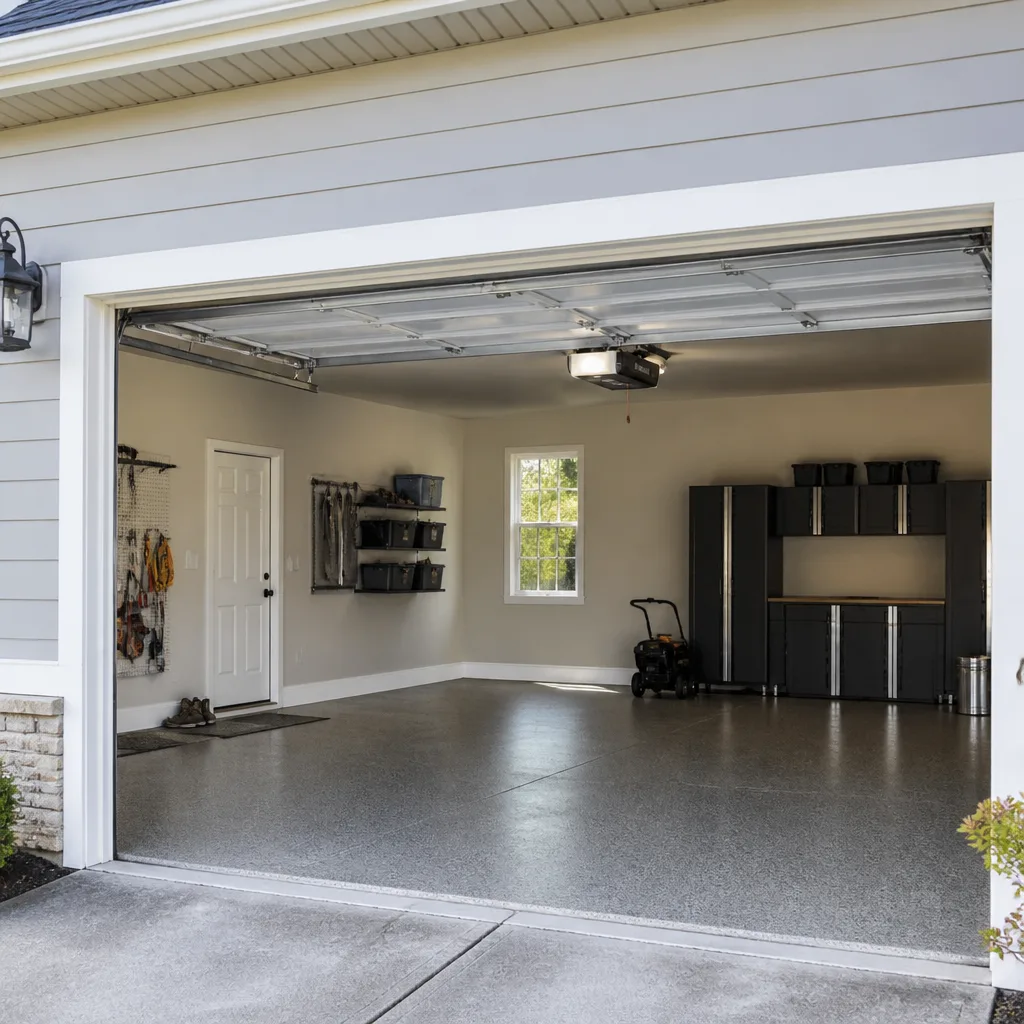 Chamberlain openers
Full 25-point door and opener safety check with every visit - springs, cables, rollers, tracks, and your LiftMaster or Chamberlain opener included
You get a price before we start. It does not change when the pro arrives.
Get your free estimateThe Complete Guide to Garage Doors in Town ‘n’ Country
Most Town ‘n’ Country homes were built before insulated garage doors were standard, which means a good share of the doors in this community are quietly working against the air conditioner every summer. A garage is usually the largest uninsulated opening in a house, and a thin, single-layer steel panel with no backing lets attic-level heat pour straight into the rooms beside it. That’s the thing most garage door advice misses: the door is not just a security fixture, it’s part of the building envelope. This guide walks through how Town ‘n’ Country’s particular mix of humidity, HOA rules, and older housing stock affects your door and what to do about it.
Quick Answer
A garage door in Town ‘n’ Country needs regular inspection of the torsion springs, bottom brackets and weather seal because Gulf humidity rusts steel parts faster than dry climates, and a replacement door should match both the size of your original rough opening and your subdivision’s HOA rules. If your door is original to a 1980s or 1990s build, expect the rough opening to be non-standard enough that a new door has to be measured rather than bought off a shelf. Call (855) 419-7945 for a free estimate or an emergency garage door call.
Styles & brands we work with
- Raised-panel steel
- Carriage house
- Modern flush
- Full-view glass
- LiftMaster openers
- Chamberlain openers
Table of Contents
- How Tampa Bay Humidity Affects Your Garage Door
- HOA Rules in Town ‘n’ Country Subdivisions
- Why 1980s and 1990s Homes Complicate Replacement
- Steel, Aluminum or Composite: What Holds Up Here
- Springs: The Most Dangerous Part of the System
- Openers and Smart Controls
- Using Hillsborough County Property Records
- A Maintenance Routine That Actually Works
How Tampa Bay Humidity Affects Your Garage Door
The air along the Gulf side of Tampa Bay holds a lot of moisture for most of the year, and garages in Town ‘n’ Country often take the brunt of it. A garage is typically less ventilated than the rest of the house, so when humid air sits inside against steel, the moisture stays put. What that does over time is rust the parts that carry the most load: torsion springs, bottom brackets, hinges, and the track along the floor line.
Rust on a torsion spring is more than cosmetic. The surface pitting creates a stress riser, and a spring that has pitted is more likely to fail suddenly rather than sag gradually. Bottom brackets, which hold the lift cables at the corners of the door, corrode next because they sit near the dampest part of the slab. And the steel bottom seal, if it’s the old solid type, can rust the screws that hold it until the whole strip starts sagging off the door.
What to check on a monthly walk-around:
- Look along each torsion spring for orange or brown speckling, especially near the coils.
- Inspect the steel bottom bracket at each lower corner for bubbling paint or rust bleed.
- Run a hand along the bottom seal on a dry-weather day; if it feels slick or leaves rust on your fingers, the aluminum retainer is breaking down.
- Check roller brackets and hinges for surface rust, which usually means it’s time to lubricate and lightly clean.
Lubrication is the simplest defense. A garage door lubricant applied to springs, hinges, and roller stems every few months slows rust and quiets the door. But lubrication only manages the problem – it can’t reverse pitting, which is why a trained technician should look at springs every couple of years in this climate. If you’d rather have someone qualified do that inspection, our garage door repair service covers exactly this kind of seasonal check.
HOA Rules in Town ‘n’ Country Subdivisions
Many of the subdivisions across Town ‘n’ Country – especially those built in the 1980s and 1990s – carry deed restrictions or an active HOA with design guidelines for garage doors. That matters the moment you want to replace your door with something different. Buyers and current owners alike get surprised by a rule that says doors must be a specific color, a specific style, or a specific material.
The restrictions we most often see homeowners run into:
- Color palettes. Many HOAs restrict door color to white, almond, beige, brown, or another approved neutral. A bold new color may need approval in advance.
- Window panels. Some subdivisions allow windows in the top panel; others don’t, because they see them as a privacy or appearance issue.
- Material requirements. Occasionally an HOA requires visible materials to match the community – for example, no exposed aluminum if a deed restriction specifies steel or wood-look panels.
- Brand visibility. A door with a large manufacturer label visible from the street may not be allowed under some deed restrictions.
How to work within them:
- Pull your HOA’s architectural guideline document before you shop for a door. It usually lives in the recorded covenants or on the management company’s website.
- Photograph your existing door and street-facing elevation; most architectural review requests want both.
- Get the actual paint or finish code from the door’s manufacturer so the request matches what will be installed. Clopay and Amarr both publish these codes for their panel colors.
- Submit the request before ordering. Approval usually takes weeks, and a door that’s ordered and then rejected is an expensive mistake.
If you’re not sure which HOA governs your block, the Hillsborough County Property Appraiser’s records will show the subdivision and, often, a reference to recorded restrictions. A technician who installs in this community regularly will also recognize the common restrictions by neighborhood, which is one of the reasons we handle garage door installation as a full process from measurement to final adjustment.
Why 1980s and 1990s Homes Complicate Replacement
A lot of Town ‘n’ Country’s housing stock went up during the 1980s and 1990s, when a builder might have used whatever ordered door was on the truck. That origin story is fine unless you’re replacing the door decades later and find the rough opening is a size that no longer matches a standard panel width. Builders also sometimes framed the opening for an 8-foot door, then installed a 7-foot door and blocked down the header with lumber. Replacing the door cleanly means dealing with that blocked header.
The two measurements that decide everything are the width and height of the rough opening – the actual framed gap inside your garage wall – and the headroom above the opening. A torsion-spring door needs enough headroom for the springs and shaft. An extension-spring door can work with less. Low-headroom situations come up in older homes where the ceiling sits close to the door opening, and they require a specific track-and-spring configuration rather than a standard one.
Additional complications we expect on Town ‘n’ Country replacements:
- Door jamb dimensions that don’t match standard aluminum trim, requiring custom stop molding.
- Old garage doors wired for a legacy opener with a receiver the new door won’t use, so the opener wiring needs review too.
- Bottom slab heights that vary from one side of the opening to the next, so the bottom seal has to be chosen to fit the actual gap.
- Weights that fall outside the range of a standard door because the builder used a heavier panel than expected.
None of that is a reason to avoid a replacement. It’s a reason to measure first and choose based on the opening you have, not the standard size that’s on a showroom floor. Call (855) 419-7945 and we’ll come out to measure; the estimate is free and the written price is what you pay, agreed before any work starts.
Steel, Aluminum or Composite: What Holds Up Here
The right material for a Town ‘n’ Country garage door depends on three things: how much direct sun the door face gets, whether the door is inside an HOA palette, and how much insulation value you want. Steel is the standard choice for most homes in this community. An insulated steel door – steel skins on both sides with a foam core – does the most work for the money because it resists heat transfer and takes paint or a factory finish well. Clopay and Amarr both make insulated steel models that show up regularly in local subdivisions.
Aluminum is lighter and won’t rust the way steel does, but it dents more easily and doesn’t insulate as well in a standard panel. It’s a reasonable pick for a door that’s mostly shaded or for a lightweight setup. Composite doors made of a wood-look material handle humidity better than real wood and take color well, which helps when an HOA restricts the palette to a natural-looking finish.
What we would steer away from in this climate:
- Uninsulated single-layer steel. It radiates heat into the garage and offers no barrier against humidity-driven condensation on the inside face.
- Real wood doors without a maintenance commitment. Wood wicks moisture, warps, and needs repainting or refinishing far more often in this climate than in dry ones.
- Any door with exposed untreated steel hardware. Even a good steel door needs stainless or galvanized brackets and hinges here.
If your door is inside a covered area or faces north, you have more flexibility. If it faces west into the afternoon sun, insulation is worth the extra cost. Ask for a written comparison of two or three door options when you get your estimate, and pick based on how your specific door is exposed rather than on what looks best in a catalog.
Springs: The Most Dangerous Part of the System
Torsion and extension springs are under extreme tension even when the door is closed. A torsion spring that fails can release that stored energy in a fraction of a second, and it has enough force to cause serious injury. This is not a component to experiment with, and it’s the single most common repair that goes wrong when a homeowner tries it themselves.
Two spring types show up in Town ‘n’ Country homes:
- Torsion springs mount on a shaft above the door and twist as the door closes. Common on newer and heavier doors, and the type we see in most 1990s-and-later builds.
- Extension springs run alongside the horizontal tracks and stretch as the door closes. Common on older and lighter doors, and they need a safety cable through the middle to contain a break.
The signs a spring is near failure:
- A visible gap in the coil where the spring has separated.
- A door that feels extremely heavy when you lift it manually, or won’t stay up when raised halfway.
- A loud bang from the garage – a spring breaking usually makes a sharp report.
- The door rises a foot or so and then stops, with the opener running but the door not moving.
If any of those appear, stop using the door. Don’t force it, and don’t try to lift it while the opener runs. A trained technician can assess the spring, the cables, and the drum in one visit. That’s why spring replacement is a core service here, not something we send out – our technicians have up to 12 years of experience working on torsion and extension systems. When the door won’t move, call (855) 419-7945. We answer 24/7 and fast dispatch runs from 7am to 7pm, Sunday through Friday.
One pricing note: spring prices are per spring. A matched pair that has aged together is usually replaced together, so plan for roughly double a single-spring figure. The written estimate will spell out exactly what’s being replaced before any work begins.
Openers and Smart Controls
An opener is the one part of the garage door system most homeowners interact with daily, and it’s also where brand compatibility matters most. We service LiftMaster, Chamberlain, Genie, Clopay, Amarr, Wayne Dalton, Craftsman, and Raynor systems, which means a call about an opener doesn’t start with us saying we’ll have to refer you elsewhere. That matters because opener problems often get misdiagnosed as door problems, and vice versa.
The common opener failures in this climate:
- Photo-eye misalignment. Humidity can fog the lens or shift the bracket; the opener reverses because it thinks something is in the way.
- Logic board failures. Surges from summer storms take out a board, and the door stops responding entirely.
- Remote signal drop. Older openers on crowded RF bands get interference, especially in dense subdivisions.
- Drive gear and belt wear. A worn gear makes a grinding sound or slips when it lifts.
Smart openers that connect to an app, like the myQ-enabled LiftMaster and Chamberlain models, add a layer of convenience but also a layer of troubleshooting when the Wi-Fi drops or the app loses sync. Many of those issues are resolved with a reset rather than a repair, which is why an honest diagnostic comes before a replacement recommendation. If you’re troubleshooting an opener, our garage door opener repair service handles both the mechanical side and the controls.
One thing worth knowing: don’t disconnect the safety reverse feature because it’s inconvenient. That mechanism is a code requirement on residential openers and is genuinely useful when a child or pet is under the door.
Using Hillsborough County Property Records
Before you buy a home with an existing garage door, or before you replace the door on the home you’re in, it’s worth pulling the property records. Hillsborough County maintains records that show when the home was built, the recorded subdivisions and, in many cases, permits that were pulled on the property. Those records can tell you whether a door replacement was ever permitted, whether the opener upgrade was done with a permit if one was required, and how the door was originally installed.
Here’s the general process:
- Start with the Hillsborough County Property Appraiser’s site and search by address. You’ll get the build year, living area, and recorded plat information.
- Cross-reference with the county’s building permit records through the Hillsborough County permit search. Permits tied to garage door replacement aren’t always required, but many structural or opener-electrical upgrades are, so you can see what was done and when.
- Check the recorded subdivision restrictions, which may be linked from the appraiser record or available through the clerk’s office.
- If a permit history is missing for a recent door, ask the seller or their realtor for the installation paperwork before closing.
This isn’t a substitute for a home inspection, but it’s a piece of due diligence most guides skip. And when you’re ready to replace, a good installer will do the same reading – measuring the rough opening against the record so the order goes in right. If your existing door came with uncertain paperwork, mention it during your estimate and we’ll walk through what we can verify from the county records before ordering anything. Call (855) 419-7945. We answer 24/7. Fast dispatch from 7am to 7pm, Sunday through Friday. We’re closed on Saturday.
A Maintenance Routine That Actually Works
A little maintenance goes further here than in dry climates because the moisture in the air accelerates wear on anything steel. What works is a routine tied to the seasons and to the parts that carry load.
Monthly:
- Look at both springs for a visible gap. Don’t touch them; just look.
- Test the safety reverse. Place a roll of paper towels in the door’s path and confirm the door reverses.
- Check the photo-eye alignment with a quick walk-through of the beams.
Every few months:
- Wipe the torsion springs and hinges with a garage door lubricant. A rag and a can is enough.
- Inspect the bottom seal for cracking, hardness, or rust bleed at the retainer.
- Look at rollers and their stems for rust or flat spots.
- Tighten any visible bolts on the hinges and track brackets. Don’t touch the torsion spring or the drum set screws.
Once a year:
- Have a technician check balance, spring tension, and cable condition.
- Look at the whole door from outside the garage, closed, to see if panels are still aligned.
- Check the weatherstripping around the perimeter where it meets the jamb.
One maintenance task belongs to a technician only: adjusting the springs. A trained professional can balance the door precisely, and there is no safe way for a homeowner to do that part. Everything else on this list can be done with a rag, a wrench, and a ladder.
Common Mistakes to Avoid
- Buying a door before measuring the rough opening. Town ‘n’ Country’s 1980s and 1990s homes often have openings that don’t match a standard catalog size, so a door bought off the shelf may not fit.
- Replacing only one spring in a matched pair. When two springs were installed together and one breaks, the other is usually close behind. Replacing both at once avoids a second call in the near future.
- Assuming all rust is cosmetic. Pitting on a torsion spring is a structural concern, not just a cosmetic one; have a technician look before you trust the door.
- Skipping the HOA approval step. A door that looks great but breaks a color or window restriction may require an expensive do-over.
- Ignoring the bottom seal. In this climate, a bad seal lets humidity in, and humidity drives the corrosion that starts the whole cycle.
- Using WD-40 on springs. It’s a light solvent, not a lubricant; it evaporates and doesn’t slow corrosion. Use a garage door lubricant made for the purpose.
- Disconnecting the safety reverse feature. It’s a code-required safety device on a residential opener, and it genuinely works.
See the difference
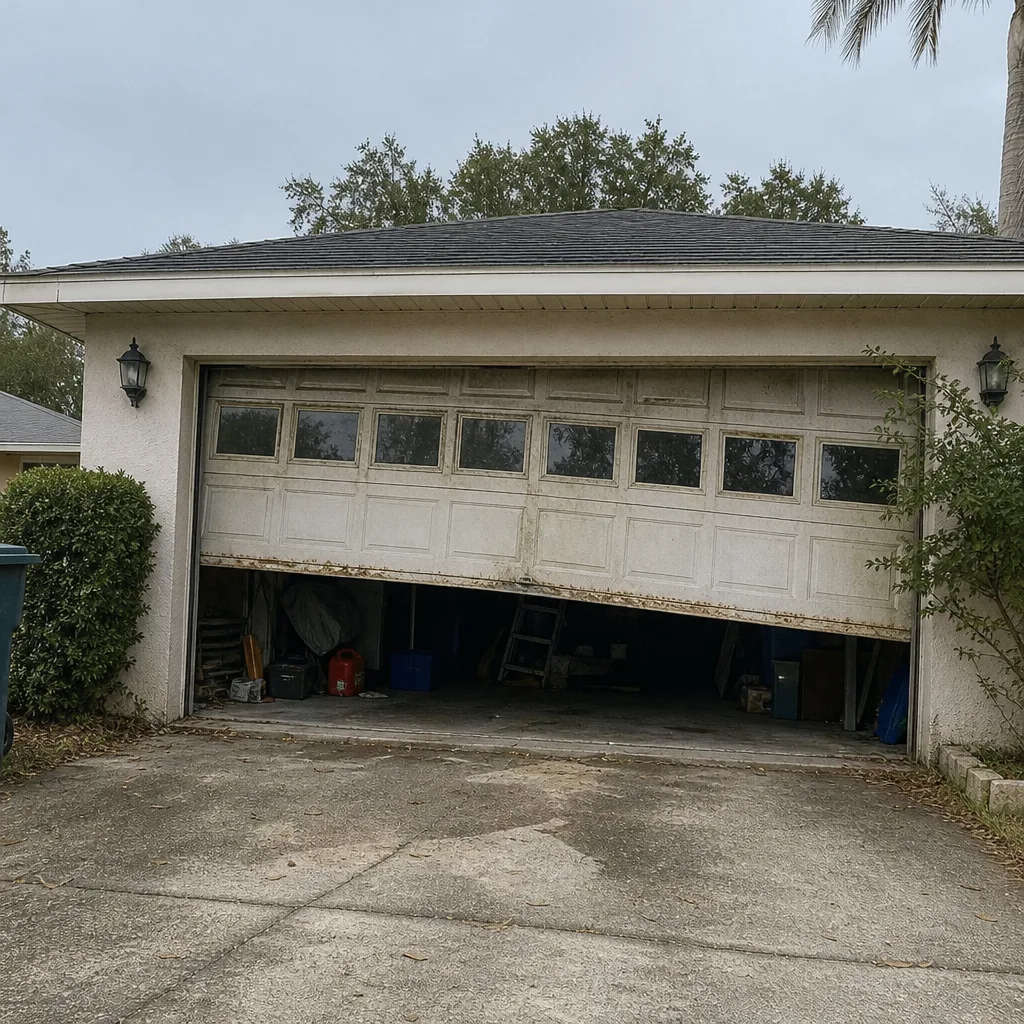 Before
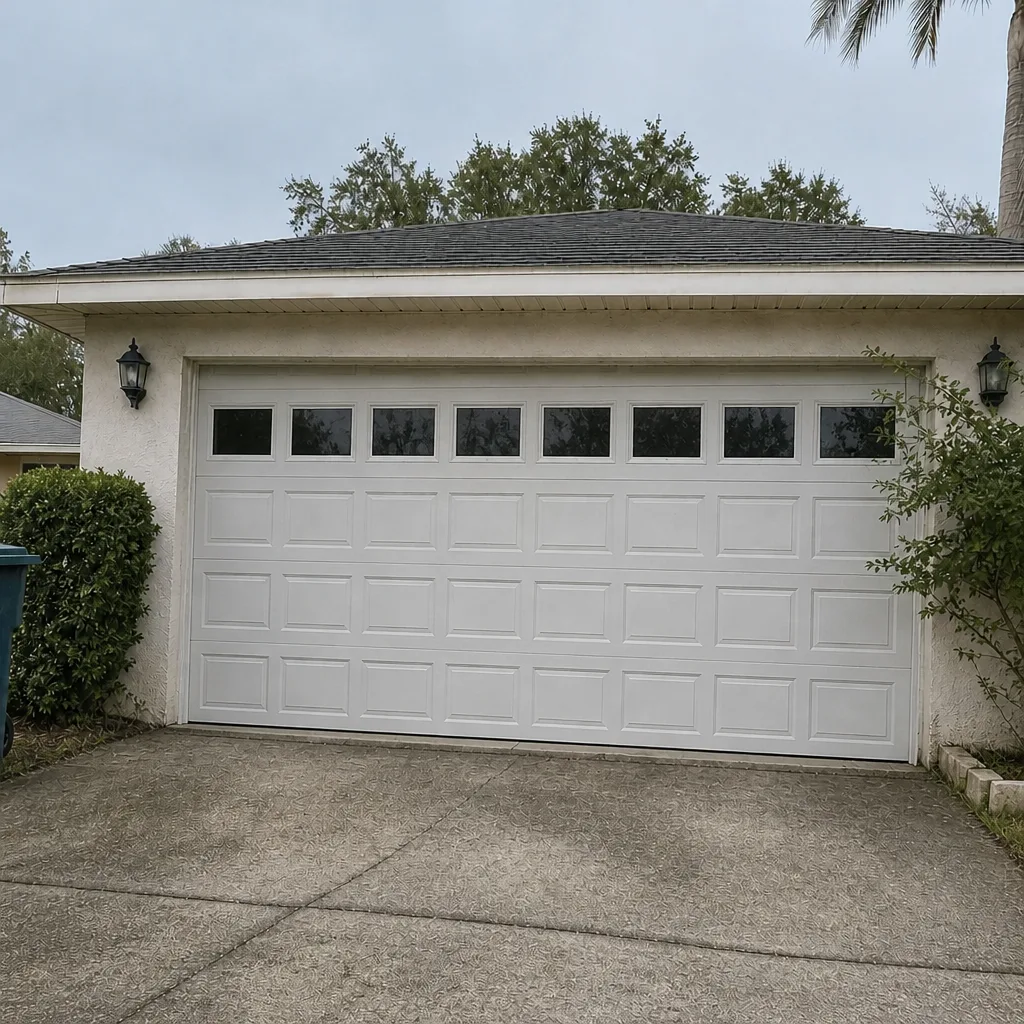 After
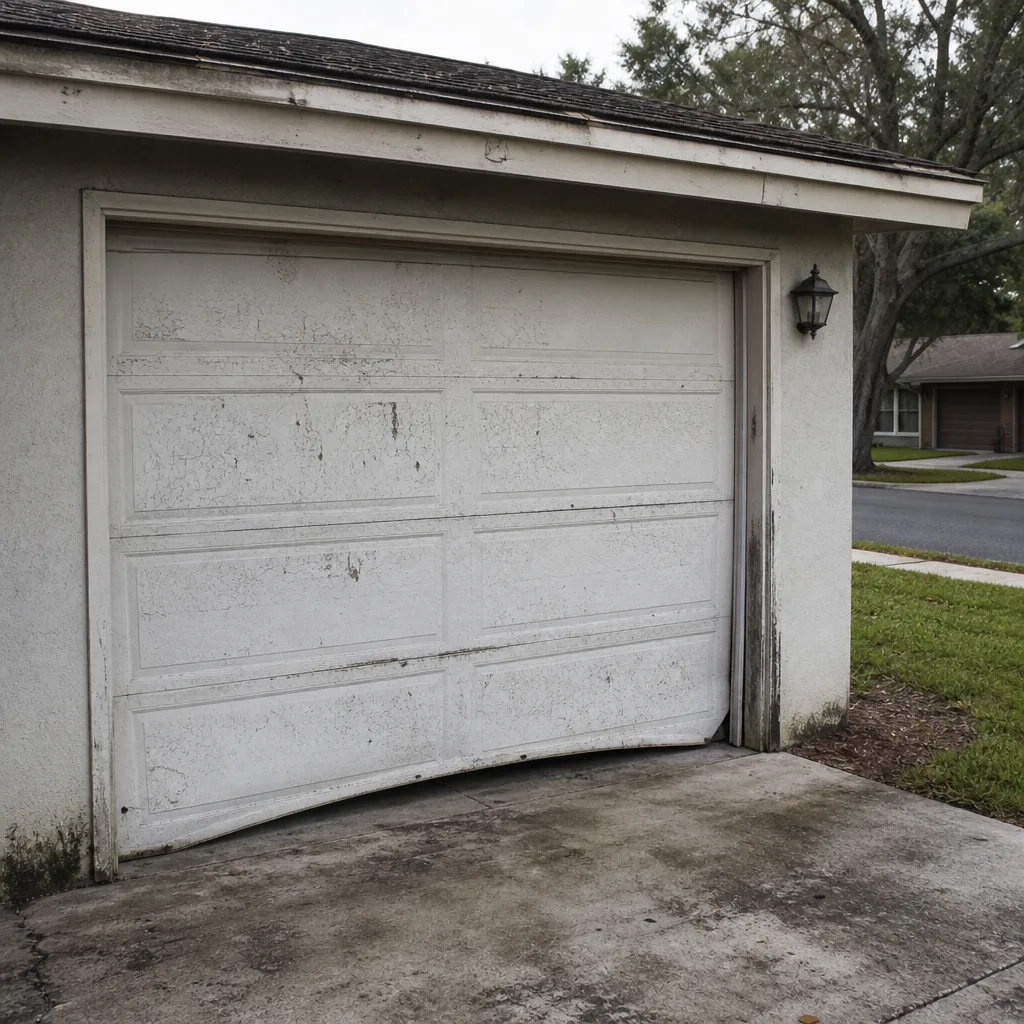 Before
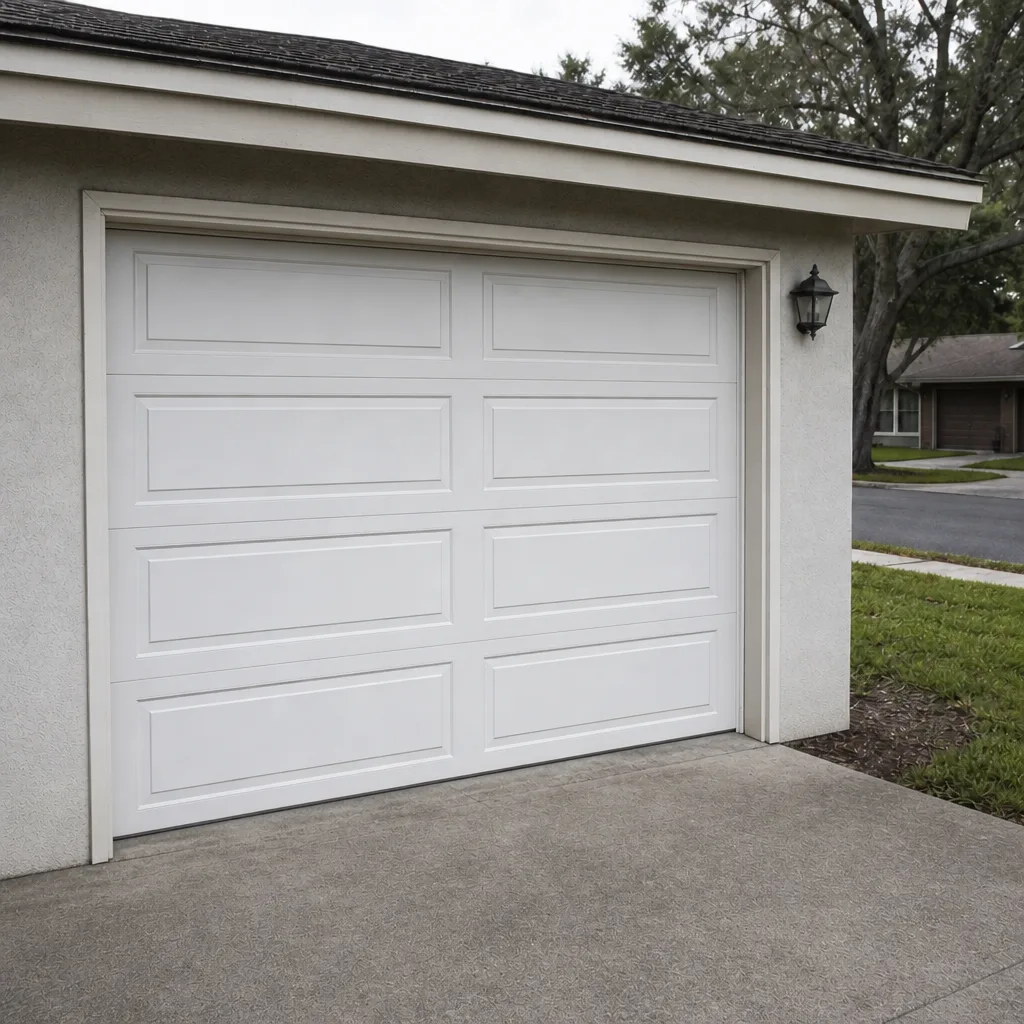 After
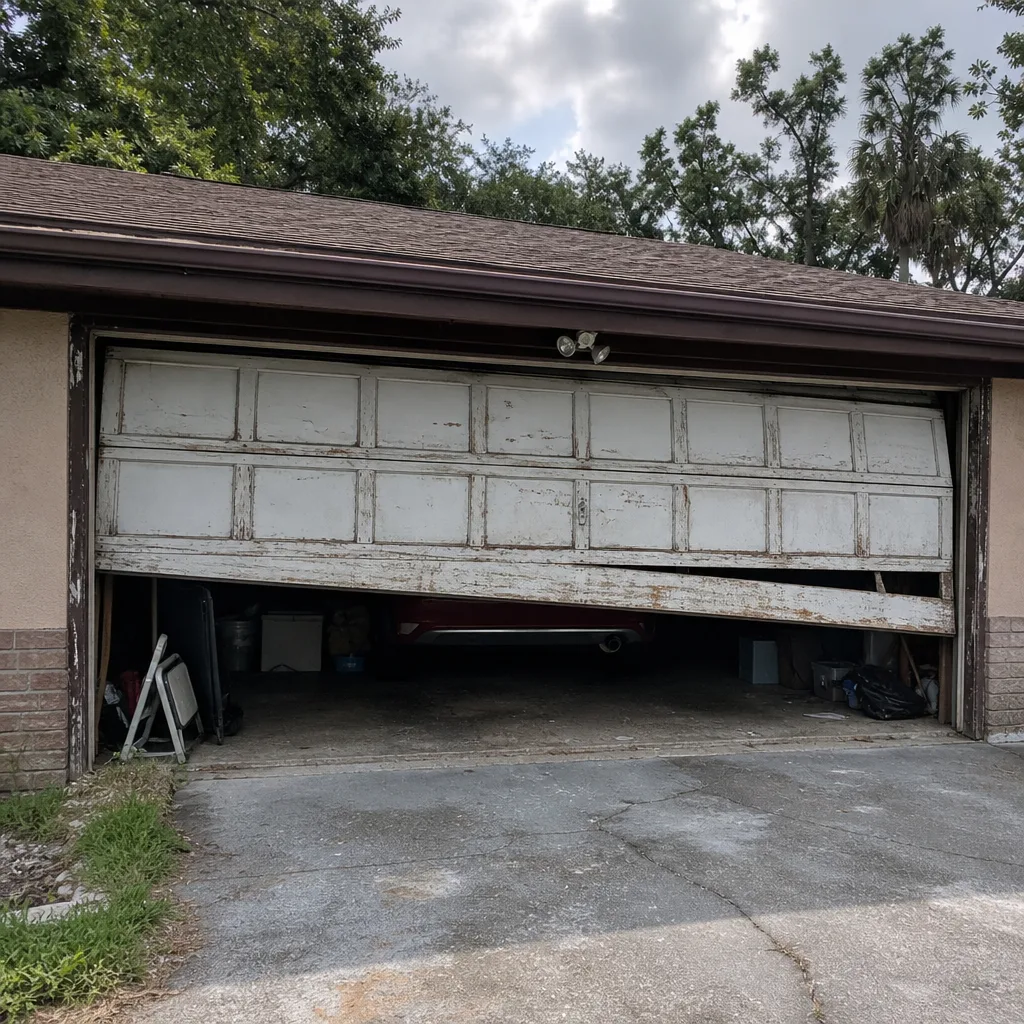 Before
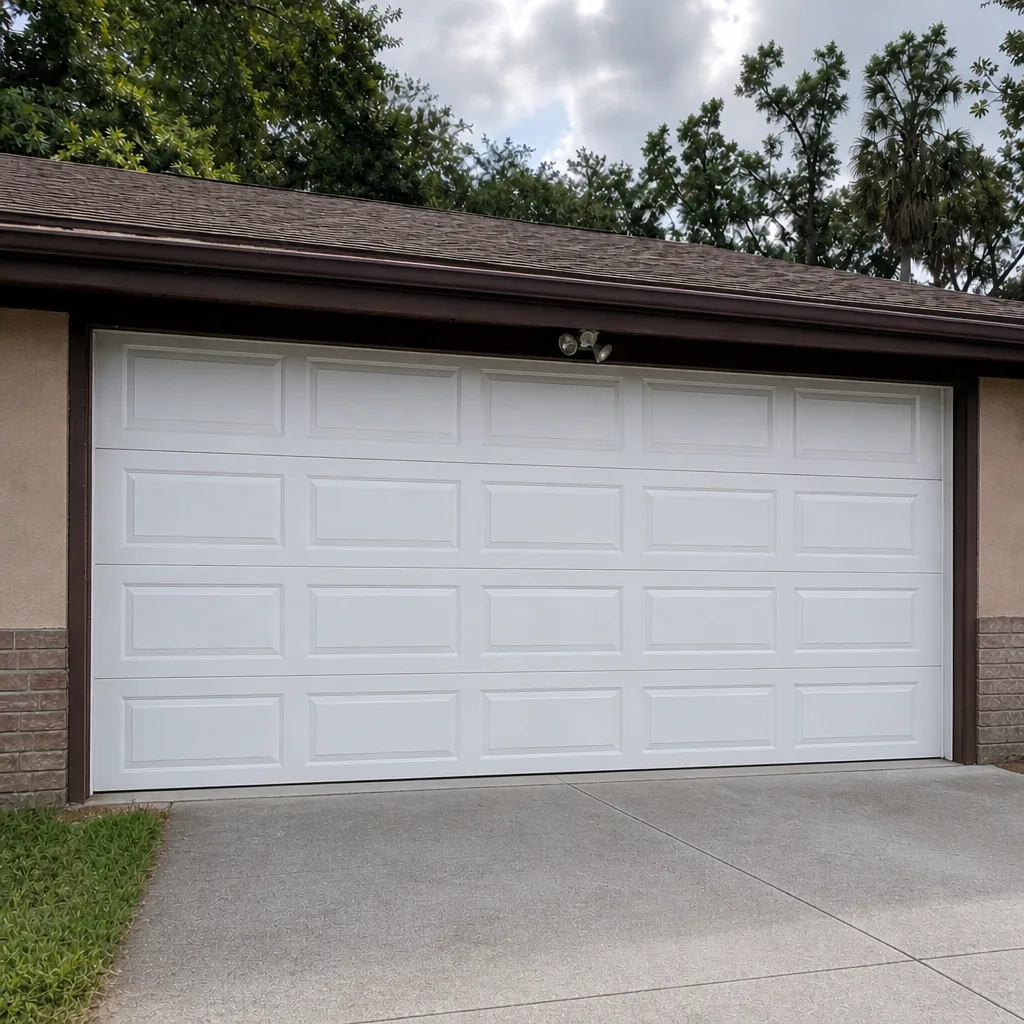 After
When to Call a Professional
Call a professional when a spring is broken or sagging, when the door won’t close evenly, or when an opener runs but the door doesn’t move. Call us when the cables look slack or frayed, when the door bangs or shudders as it travels, when the bottom seal is compromised enough to let water in, or when you’re planning a replacement and need correct measurements. Also call when a door is stuck open overnight – that’s an emergency for a Town ‘n’ Country family, not a next-week appointment. Town ‘n’ Country Garage Door Repair offers free estimates in Town ‘n’ Country. Call (855) 419-7945. We answer 24/7. Fast dispatch from 7am to 7pm, Sunday through Friday. We’re closed on Saturday, but a call booked outside those hours gets scheduled into the next opening.
Frequently Asked Questions
Spring repair in Town ‘n’ Country falls in a typical range of about $150 to $350 for a single spring, depending on the type and door weight, and a matched pair that’s replaced together costs about double a single-spring figure. The written estimate before any work starts is the price you pay – there’s no surprise bump when the technician sees the door. Call (855) 419-7945 for an exact quote – estimates are free.
Yes – a broken spring that leaves a car blocked or the door stuck is treated as an urgent call, not next-week work. We answer 24/7 and fast dispatch runs from 7am to 7pm, Sunday through Friday; a call outside those hours gets booked into the next opening. Call (855) 419-7945 to get a slot.
Many subdivisions here do, through either a formal HOA or recorded deed restrictions, and the restrictions usually cover color, window panels, and sometimes visible material. Pull the architectural guidelines before you order and submit an approval request in advance – a door that’s ordered and then rejected can’t be returned easily. If you’re unsure which rules apply to your block, call (855) 419-7945 and we’ll help you read the record.
Spring life varies by how often the door cycles and how well the springs are maintained, but Gulf humidity shortens the expected life compared to dry climates because rust pits the metal and creates weak spots. That’s why we recommend a technician inspection every couple of years in Town ‘n’ Country, and a quick monthly look for visible gaps in the coil. Call (855) 419-7945 to book an inspection.
Yes – non-standard openings are routine in Town ‘n’ Country’s older construction, so we measure the actual rough opening and headroom before recommending a door. That may mean a custom-size door, a different spring configuration, or a modified header. The written estimate is where the final number is set. Call (855) 419-7945 for a free measure.
Yes – the local pro who comes to your home is licensed and insured as Florida requires, and we work with branded systems from LiftMaster, Chamberlain, Genie, Clopay, Amarr, Wayne Dalton, Craftsman, and Raynor, so the technician arrives already familiar with your exact door and opener. Call (855) 419-7945 with your brand name and model if you have it.
The Bottom Line
Town ‘n’ Country’s housing stock and its Gulf humidity together make garage doors a real maintenance item here – not the afterthought most guides treat them as. The short version: measure before you buy, keep springs and brackets lubricated and inspected, work within your HOA rules before ordering, and treat any broken spring as a stop-using-the-door event. Insulated steel is the sensible default for this climate; aluminum and composite have their place depending on exposure. Whether you’re repairing, replacing, or just confirming what you already own, one call covers the whole system, from opener diagnostics to full installation. Call (855) 419-7945 for a free estimate. We answer 24/7. Fast dispatch from 7am to 7pm, Sunday through Friday – and our technicians have up to 12 years of experience on the brands you already own.
Written by the team at Town ‘n’ Country Garage Door Repair.