
Last updated November 23, 2026
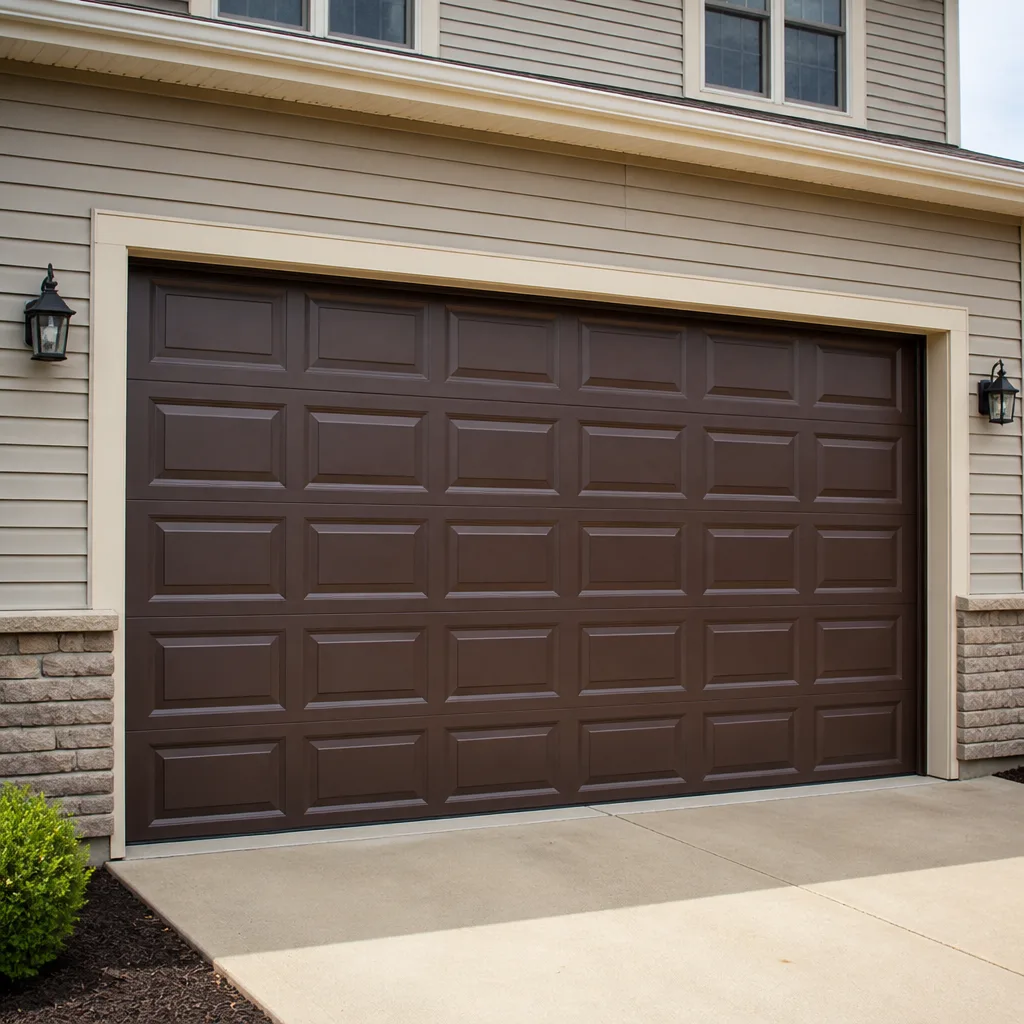 Raised-panel steel
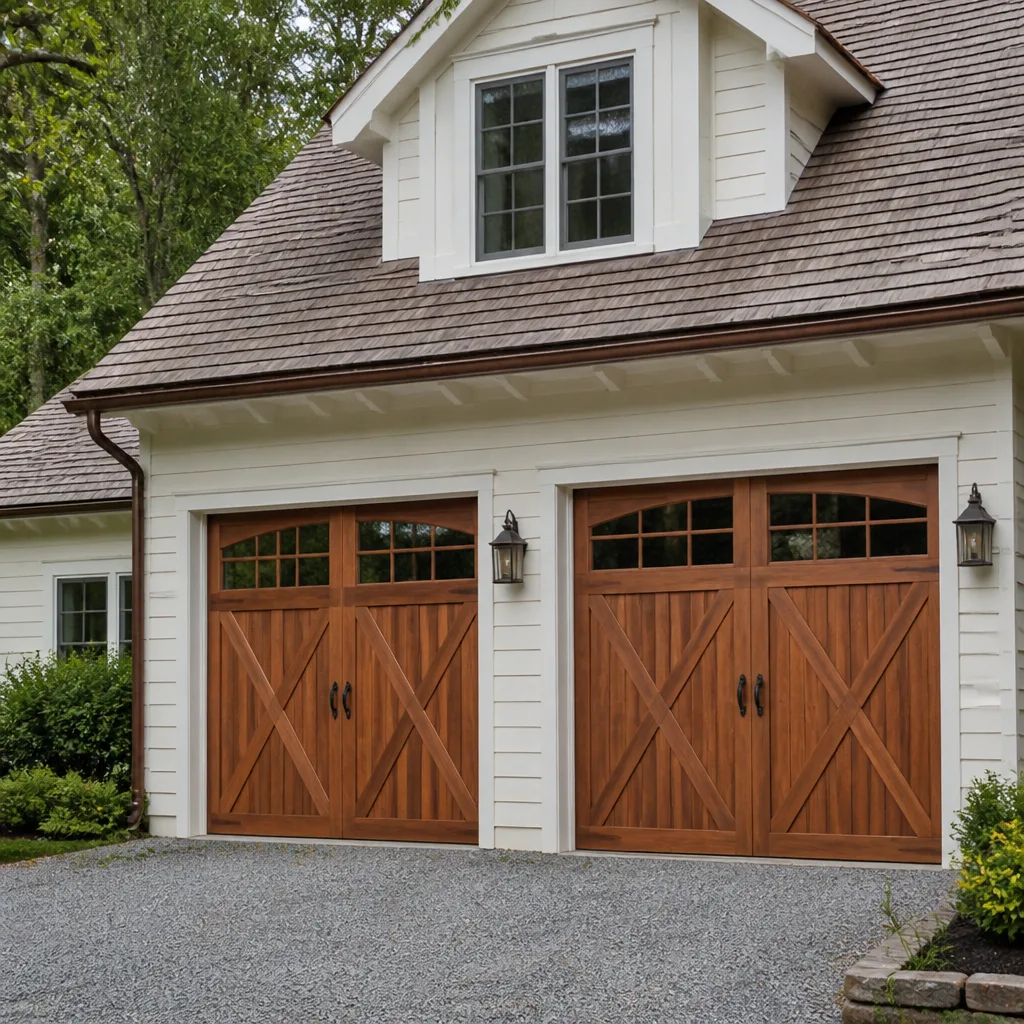 Carriage house
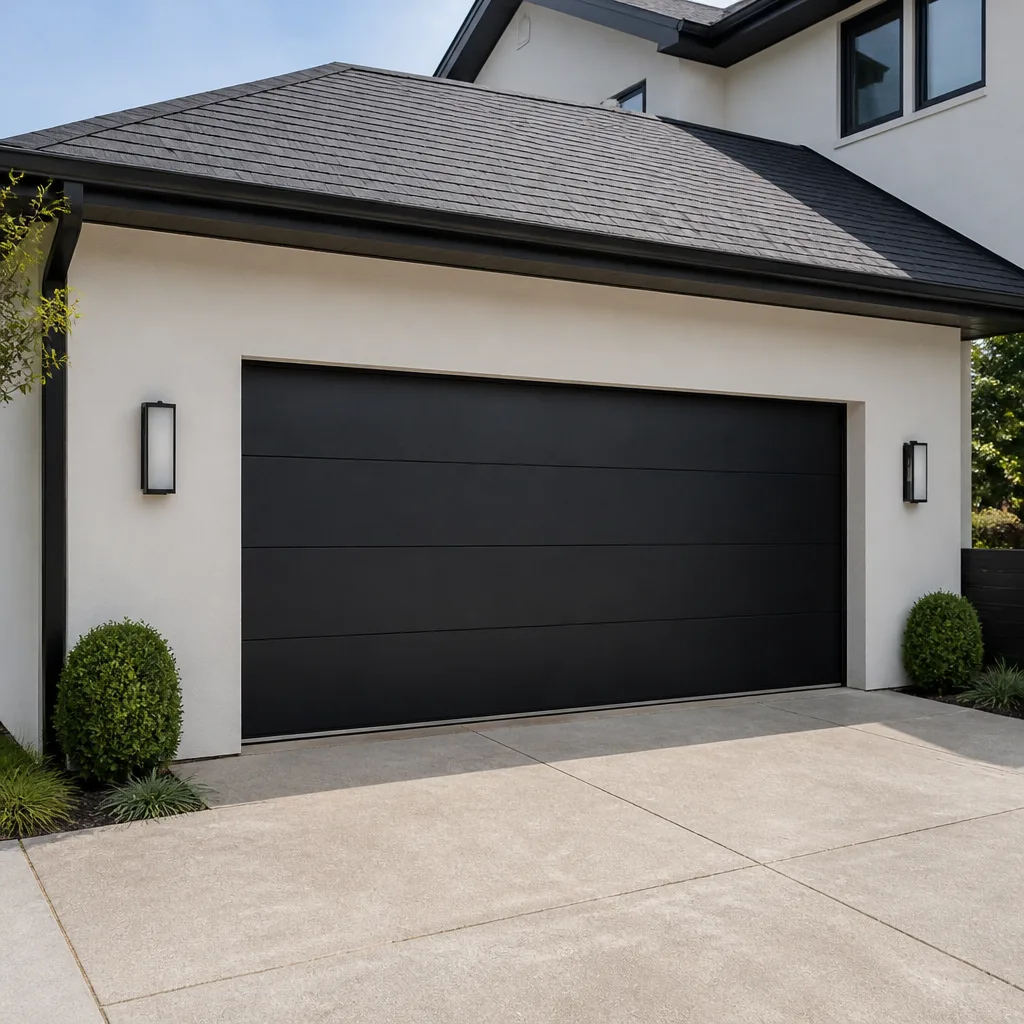 Modern flush
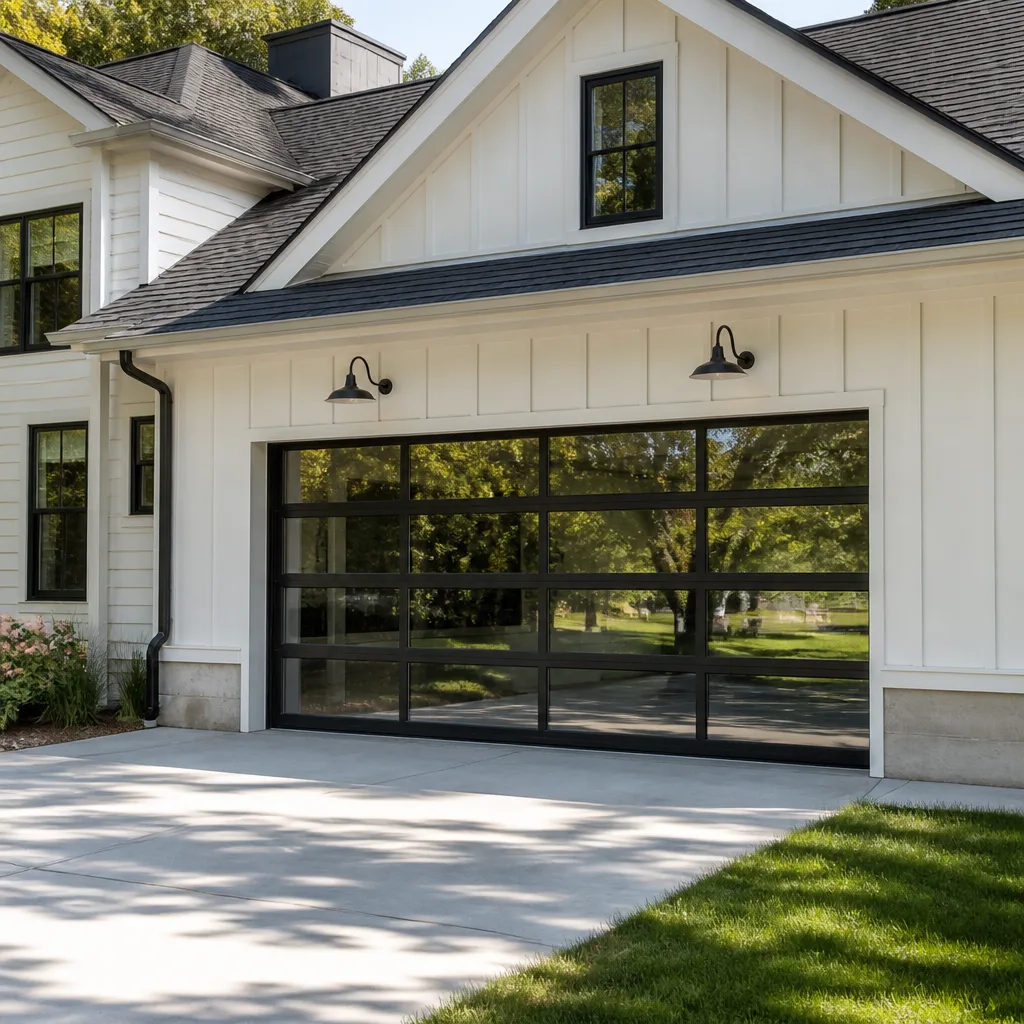 Full-view glass
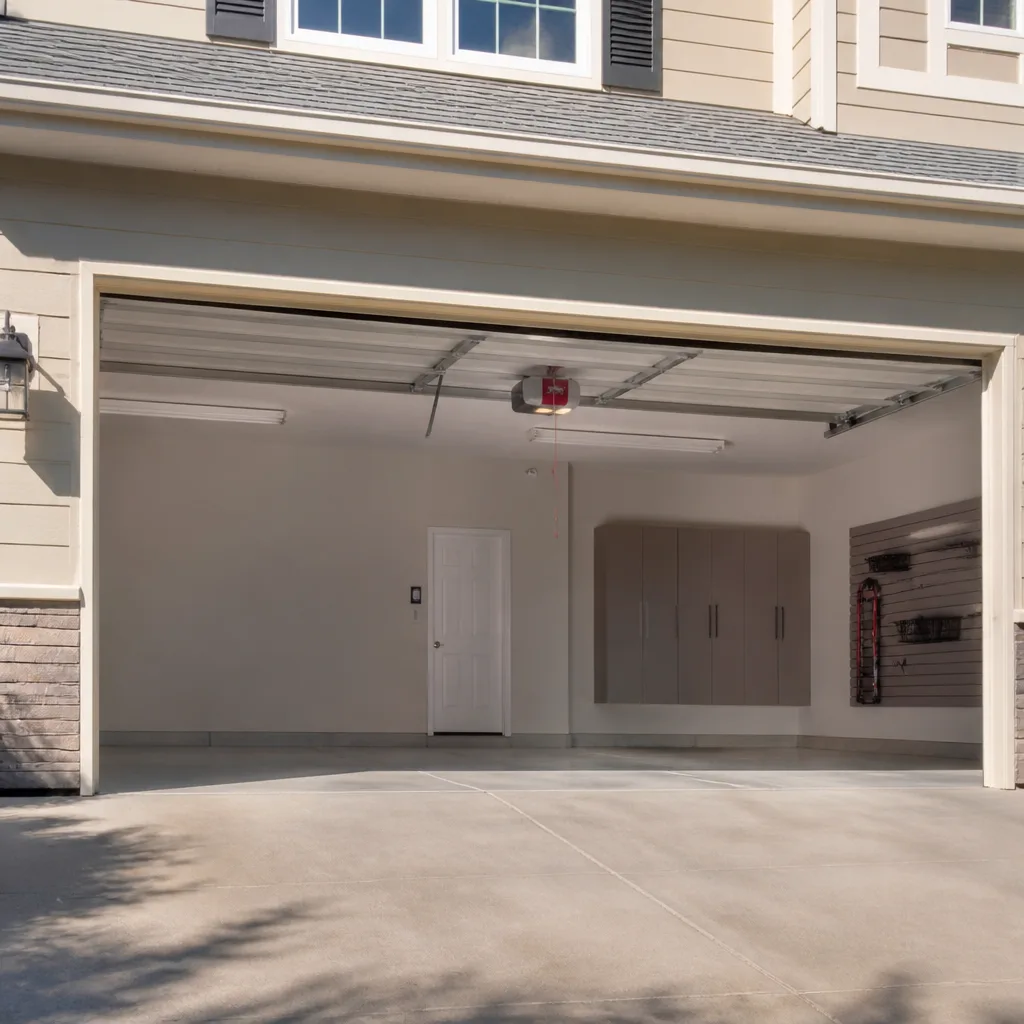 LiftMaster openers
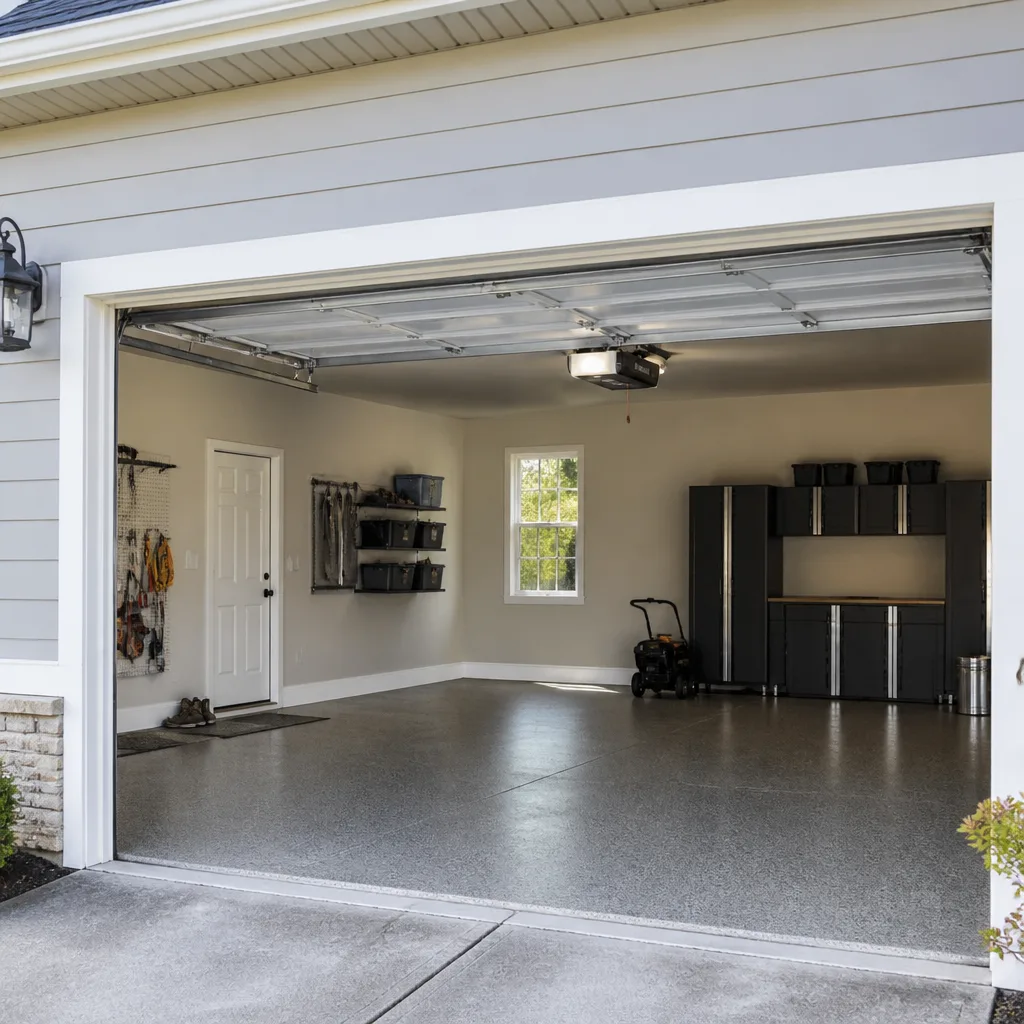 Chamberlain openers
Full 25-point door and opener safety check with every visit - springs, cables, rollers, tracks, and your LiftMaster or Chamberlain opener included
You get a price before we start. It does not change when the pro arrives.
Get your free estimateSeasonal Garage Door Care for Town ‘n’ Country: Year-Round Homeowner’s Guide
June 1 is the start of hurricane season. That’s the date everyone marks on the calendar. But in Town ‘n’ Country, the failures we get called out for during storm prep usually started back in May, sometimes earlier. A homeowner waits until a storm is in the forecast, then loads a torsion spring that hasn’t been looked at in three years, and the spring gives out right when the door needs to hold. The problem wasn’t the storm. It was the months of neglect before it. This guide replaces the standard spring-summer-fall-winter checklist with a Florida-honest maintenance calendar built around two real seasons: hurricane season, and everything else. You’ll learn what to inspect and when, how to test your emergency release, and when to stop and call someone.
Quick Answer
The most important seasonal garage door work in Town ‘n’ Country happens in April and May, before hurricane season starts. That’s when you inspect springs, cables, rollers, tracks and the opener, test the emergency release, and schedule any repair so you aren’t doing it under storm pressure. The dry, cooler months from November through April are the right window for lubrication and balance checks, and peak summer requires attention to opener heat and track expansion. Everything else is maintenance, not a scramble.
Styles & brands we work with
- Raised-panel steel
- Carriage house
- Modern flush
- Full-view glass
- LiftMaster openers
- Chamberlain openers
Table of Contents
- Why Town ‘n’ Country’s Seasons Are Different
- The Pre-Hurricane Season Checklist (April Through May)
- How to Engage and Disengage the Emergency Release Cord
- Post-Storm Inspection: What to Check Before Normal Operation
- Dry Season Tasks (November Through April)
- Managing Garage Heat in Peak Summer (June Through September)
- A Month-by-Month Calendar for Town ‘n’ Country
- What Seasonal Repairs Typically Cost
Why Town ‘n’ Country’s Seasons Are Different
Most garage door maintenance guides are written for places with four distinct seasons. They talk about winterizing, de-icing tracks, and preparing for hard freezes. That advice doesn’t fit Town ‘n’ Country. Our winters are mild, our springs and cables don’t sit under snow, and the biggest stress on a garage door here isn’t cold. It’s heat, humidity, and the two-to-three-week window when everyone suddenly wants their door in perfect shape.
Here’s what actually happens to a garage door in this climate. Rust is a slow, quiet problem. It forms on springs and hinges during the humid summer months, and you won’t notice it until a spring snaps or a hinge seizes. Metal expands in sustained heat, which means a door that ran smoothly in February can bind slightly in August. Rolling resistance goes up, and the opener works harder than it should. None of that is dramatic. But it adds up.
The other factor is that Town ‘n’ Country has a lot of homes with garages facing west or south, where afternoon sun hits the door directly. Those doors run hotter than a shaded one, and the opener motor, mounted on the ceiling, sits in the same warm air. On a July afternoon, an older opener under load is closer to its thermal limit than it ever is in January.
So the seasonal framework that makes sense here has three phases, not four: pre-hurricane season (April through May), peak summer (June through September), and the dry season (November through April), with October as the transition. Each phase has its own specific tasks. We’ll walk through them in order.
The Pre-Hurricane Season Checklist (April Through May)
April and May are the months that matter most. This is when you should be physically inspecting the door and its hardware, not waiting until a storm has a name. The work you do here decides whether a repair gets scheduled calmly in a normal week or becomes an emergency two days before landfall.
Walk through this in order. It takes about twenty minutes if nothing needs repair.
- Inspect the springs. Look at the torsion spring above the door (the horizontal coil on the shaft) or the extension springs along the horizontal tracks, depending on your system. You’re looking for visible gaps in the coil, rust, or a stretched, elongated look. A torsion spring with a gap has failed or is about to. Don’t touch it, and don’t try to wind or unwind it yourself. Call a technician.
- Check the cables. Cables run from the bottom corners up to the drum or the rear track. Look for fraying, kinks, or slack. A slack cable on one side means something upstream is wrong.
- Test the balance. Disconnect the opener (pull the release handle) and lift the door halfway by hand. It should hold roughly where you leave it. If it drops or rises on its own, the springs are out of balance and need adjustment.
- Inspect rollers and hinges. Rollers should spin freely. Hinges should not be stiff or rusted. A single seized hinge stresses the panel around it.
- Look at the door panels. Check for dents, cracks, or separation between sections. A door that flexes under wind pressure is a real concern in a storm.
- Check the tracks. They should be straight and evenly spaced from the door. A track that’s been bumped out of alignment is a common cause of binding and won’t fix itself.
- Test the opener’s safety reverse. Place a piece of wood about the height of a brick under the door, close it, and confirm the door reverses on contact. This is a basic safety function and worth testing before summer, not after.
- Test the emergency release. We cover this in detail below. Do it now, not during a storm.
If any of these items turns up a real problem, the honest advice is to get it fixed in April or early May. Springs, cables and openers are not things you want to be thinking about when a storm is three days out and every technician in Town ‘n’ Country is booked solid. If you’ve found spring damage, our garage door repair team handles torsion and extension springs directly, and spring work is one of the most hazardous tasks in the trade, so it should always go to a trained technician.
How to Engage and Disengage the Emergency Release Cord
The emergency release cord is the rope with a handle that hangs from the opener’s trolley. It disconnects the door from the motor so you can move the door by hand. It’s the single most misunderstood piece of hardware on a garage door, and in Town ‘n’ Country it’s the one thing worth practicing before you need it.
Most homeowners have never pulled it. Then a storm knocks out power, the opener won’t run, and the door is stuck closed with a car inside. That’s when people discover they don’t know which direction the door actually moves after release, or that the door is too heavy to lift because the springs were already failing.
To practice it safely:
- Stand clear of the door path and make sure no one is underneath.
- With the door fully closed and the opener idle, pull the release cord down and toward the opener. You’ll feel the trolley disengage from the door arm.
- Lift the door by hand. It should move smoothly. If it feels extremely heavy, stop. The springs are carrying most of the weight, and if they aren’t doing their job, the door is dangerous to lift by hand.
- Lower the door back down slowly and fully.
- To re-engage, pull the release cord again to reset the trolley, then run the opener and let it pick the door up on its own. Never force the door into the trolley by hand.
Do this once or twice a year, ideally in late April. If you can’t get the door to re-engage, or the door is too heavy to lift, that’s a sign the springs need attention. Call us. The point of practicing is to find that out before a storm, not during one.
Post-Storm Inspection: What to Check Before Normal Operation
After a named storm or a strong thunderstorm passes through Town ‘n’ Country, don’t just open the door and drive off. A few minutes of inspection catches problems while they’re still minor. Storm damage to a garage door is often subtle – a slightly bowed panel, a track nudged out of line, a cable that jumped its groove.
Here’s what to check, in order:
- Look at the door from outside. Are the panels flat and aligned? A door that’s been pushed in slightly can still open, but the panel stress will eventually crack or bind.
- Look at the tracks. Are they straight? A storm that rattles the door can knock a track out of alignment. Don’t try to bend a track back into place; that requires the right tools and a tech who knows the geometry.
- Check the cables at the bottom corners. If a cable has come off its drum or is slack on one side, stop. Don’t run the opener. A slack cable under tension is dangerous, and running the door can snap it.
- Look for debris in the tracks. Small branches, leaves and grit get lodged in the track channel, and that’s a common cause of jamming after a storm. Clear it by hand before running the door.
- Test the door by hand (use the release cord). Lift it halfway. It should move smoothly with even weight. If it feels off, stop.
- Test the opener’s safety reverse before resuming normal use, especially if the door has been through a hard wind event.
If anything looks wrong, stop using the door and call. Storm damage that looks cosmetic often isn’t, and running a damaged door can turn a fixable problem into a full replacement. Our team handles emergency calls for exactly this reason – a door that’s stuck, damaged, or hanging off its track isn’t something that waits.
Dry Season Tasks (November Through April)
The dry season is the quiet window, and it’s the best time to do preventive work. Humidity drops, evening temperatures are cooler, and the door isn’t fighting the heat. This is when you lubricate, tighten, and adjust – the tasks that keep the rest of the year from becoming a repair bill.
Cooler temperatures do have one effect worth knowing about. Metal contracts. A torsion spring that was perfectly balanced in August can feel slightly different in January, and a door that’s been marginally out of balance for months will show it more clearly in cooler air. That makes the dry season a good time to check balance and spring tension, not because the springs change, but because the difference is easier to notice.
Here’s what belongs on the dry-season list:
- Lubricate the moving parts. Rollers, hinges, and the torsion spring (not the tracks – those should be wiped clean, not greased). Use a proper garage door lubricant, not generic WD-40, which attracts dust.
- Check the balance with the release cord, as described above.
- Clean the tracks and inspect for any debris or bowing.
- Tighten hinge and bracket bolts that have worked loose over the summer.
- Test the opener’s safety reverse and the wall-mounted control.
- Look at the weatherstripping along the bottom and sides of the door. It’s what keeps rain and pests out during the wet season, and it’s cheap to replace – but only if you notice it before it fails.
- Check any opener faults or warning lights. If the opener’s been flashing a code on the control unit, the dry season is the time to sort it out. Opener diagnostics are part of our garage door opener repair, and modern openers often log faults well before they fail outright.
This is also the time to consider whether the door itself is nearing replacement. If you’ve had more than one repair in a year, panels are dented or separating, or the door is old enough that the opener is compensating for it, the dry season is a better time to plan a replacement than the middle of summer. You can review options with our garage door installation team and get a free measure and a written estimate before you commit to anything.
Managing Garage Heat in Peak Summer (June Through September)
Peak summer in Town ‘n’ Country is where the opener earns its keep. Between June and September, the garage can get genuinely hot, and the opener motor is working in that air every time you open and close the door. Two problems show up here: opener overheating and thermal expansion binding.
Opener overheating happens most often on openers that are older, under-lubricated, or working against a door that’s harder to move than it should be. When the motor has to work harder, it gets hotter, and older motors have less tolerance for that. The fix isn’t to buy a bigger opener – it’s to make sure the door moves freely and the opener isn’t compensating for a problem elsewhere. If your opener cuts out after a few cycles on a hot afternoon, that’s a sign worth acting on.
Thermal expansion binding is the subtle one. When metal heats up, it expands. Track spacing that was fine in winter can tighten slightly in August, and a door that ran smoothly in April may begin to drag. You’ll notice it as a slightly slower cycle, a groan, or the opener stuttering at the start of travel. Don’t ignore it. Sustained drag is what causes premature opener failure.
What helps:
- Keep the door moving freely. A balanced door with well-lubricated rollers and hinges puts less load on the opener. This is the single biggest thing you can do.
- Ventilate the garage. If you have a window or vent, use it. Moving air keeps the opener’s ambient temperature down and makes the whole space more comfortable.
- Don’t run the opener repeatedly in a short window. Loading the car, unloading groceries, opening for a neighbor – a lot of door cycles happen in a short time on a hot afternoon. Spread them out when you can.
- Check the opener’s manual for its duty rating. Openers are rated for a certain number of cycles per hour. Older openers on a busy family door in summer may be near that limit.
- Watch for corrosion on the springs and cables. Humidity is highest in these months, and a rusted spring is a spring that’s closer to breaking.
If the opener’s been cutting out repeatedly in the heat, get it looked at before fall. Modern openers, including the Chamberlain and LiftMaster myQ systems we work on, have thermal protection built in, and a repeated cutout is the system telling you something. Our technicians arrive familiar with those platforms because we’re certified to service them.
A Month-by-Month Calendar for Town ‘n’ Country
Here’s the whole year in one place. Use it as a rough guide and adjust based on your door’s age and how much you use it.
- January through April (dry season): Lubricate, tighten, check balance, clean tracks, inspect weatherstripping. This is the window for any preventive work.
- Late April: Pull the emergency release and practice the full drill. Test the opener’s safety reverse. This is the last easy window before storm season.
- May: Complete the pre-hurricane checklist. Schedule any spring, cable, roller or opener repair now, while appointments are easier to get.
- June through September (peak summer): Watch for overheating, drag, or any change in how the door sounds. Keep the opener area ventilated. Check springs and cables for rust.
- October (transition): Post-season inspection if a storm or severe weather came through. Clean out debris and check track alignment.
- November through December: Back to the dry-season routine. This is also a good window to plan a replacement if the door is showing its age.
If you’ve had a garage door for years and never done any of this, you’re not alone. Most homeowners haven’t. The point of the calendar isn’t to make you feel behind. It’s to give you a simple, seasonally appropriate way to act once, twice, or three times a year, so you’re not reacting to a failure at the worst possible moment.
What Seasonal Repairs Typically Cost
Here are typical ranges for the seasonal work that comes up most often in Town ‘n’ Country. These are estimates, not a quote – the written estimate we give you before any work starts is the price that applies to your door.
| Repair | Typical Estimate Range |
|---|---|
| Torsion spring replacement (one spring) | $180 – $340 |
| Torsion spring replacement (matched pair) | About twice the single-spring cost |
| Extension spring replacement (per spring) | $150 – $280 |
| Cable replacement | $140 – $280 |
| Roller replacement (set) | $120 – $240 |
| Hinge replacement | $90 – $180 |
| Opener repair or diagnostics | $150 – $350 |
| Full opener replacement | $350 – $650 |
| New door installation | Measured and quoted per door |
Springs are the item to pay attention to. A matched pair is usually replaced together because both springs have the same cycle life, and replacing one and leaving the other half-worn is a common way to get called back out a few months later. If you’ve got one spring showing a gap, plan for the pair.
The range varies with door size, spring type, brand and access, so the number we give you will reflect your actual door. If you want an idea of the cost before you commit, our team can give you a free estimate. It’s free, and the price is agreed before any work starts. Estimates are free and there’s no fee to come out and look.
If you’ve got a broken spring and the door is stuck, that’s an emergency call. We answer 24/7. Fast dispatch from 7am to 7pm. If your door is stuck open, jammed, or damaged after a storm, call us and we’ll treat it as urgent.
Common Mistakes to Avoid
- Waiting until a storm is forecast to inspect the door. By then it’s too late to schedule a repair calmly. Do the inspection in April or May, while there’s still time to fix anything wrong.
- Lubricating the tracks. Grease on the tracks attracts dust and grit and makes the door harder to open, not easier. Lubricate rollers and hinges only, and wipe the tracks clean.
- Pulling the emergency release for the first time during a power outage. Practice it before you need it. If the door is too heavy to lift by hand, the springs need attention, and you don’t want to discover that during a storm.
- Ignoring a door that binds in summer. Thermal expansion binding is a small issue that grows into a bigger opener problem. If the door drags in August, get it looked at.
- Running a door with a slack or frayed cable. Cables are under real tension. If one looks wrong, don’t cycle the opener until a technician has looked at it.
- Trying to adjust or replace a torsion spring yourself. This is the most dangerous repair on a garage door. Springs and cables carry enough stored energy to cause serious injury, and a mistake here can be catastrophic. Always use a trained technician for this one.
- Skipping the dry-season lubrication. A door that runs fine in winter without lubrication will wear out its rollers and opener sooner than a door that gets a few minutes of care in the fall.
See the difference
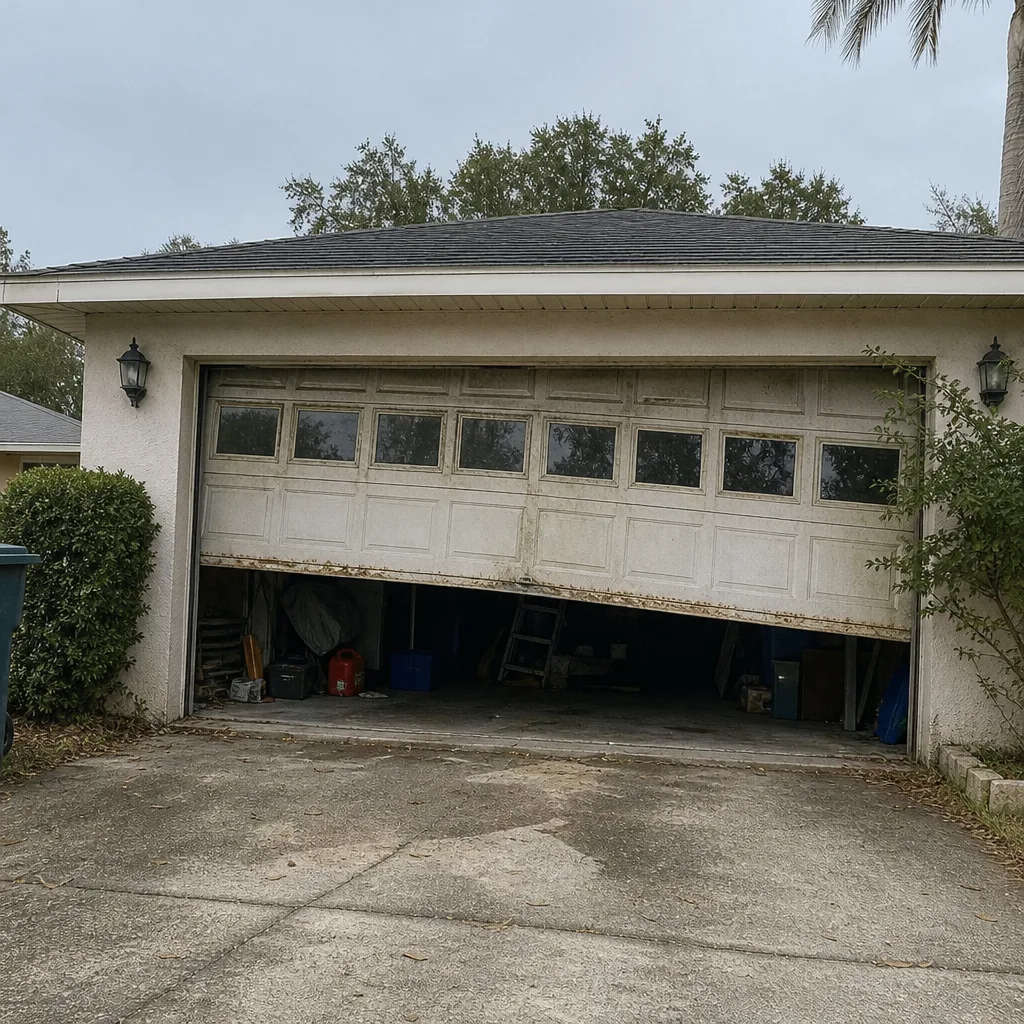 Before
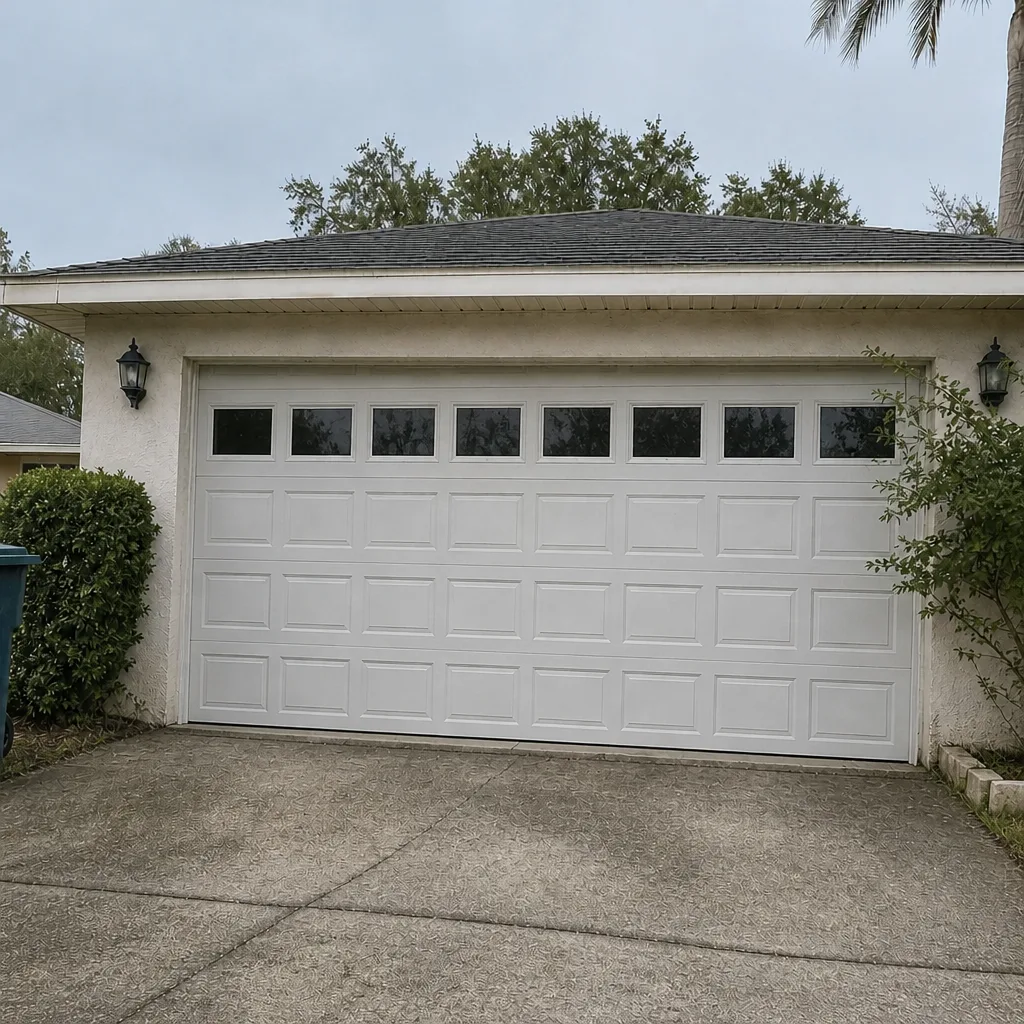 After
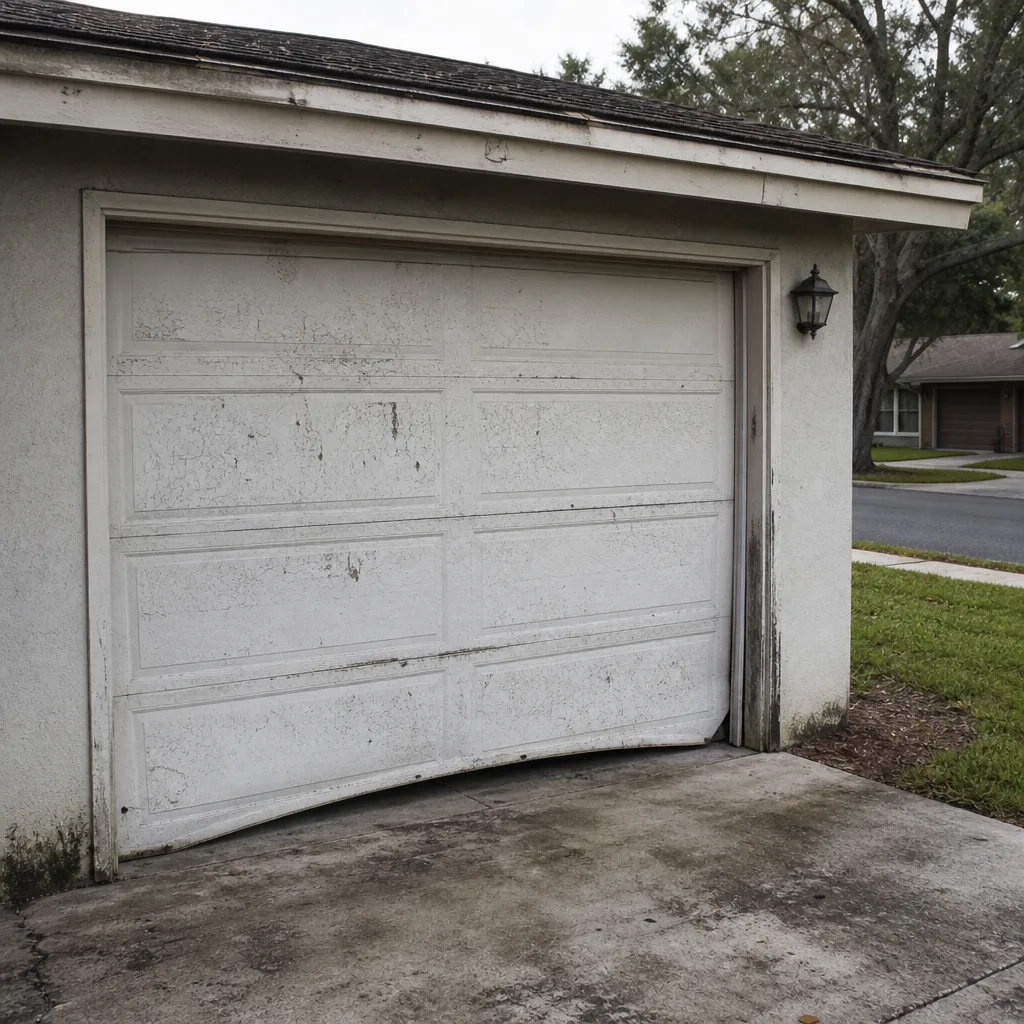 Before
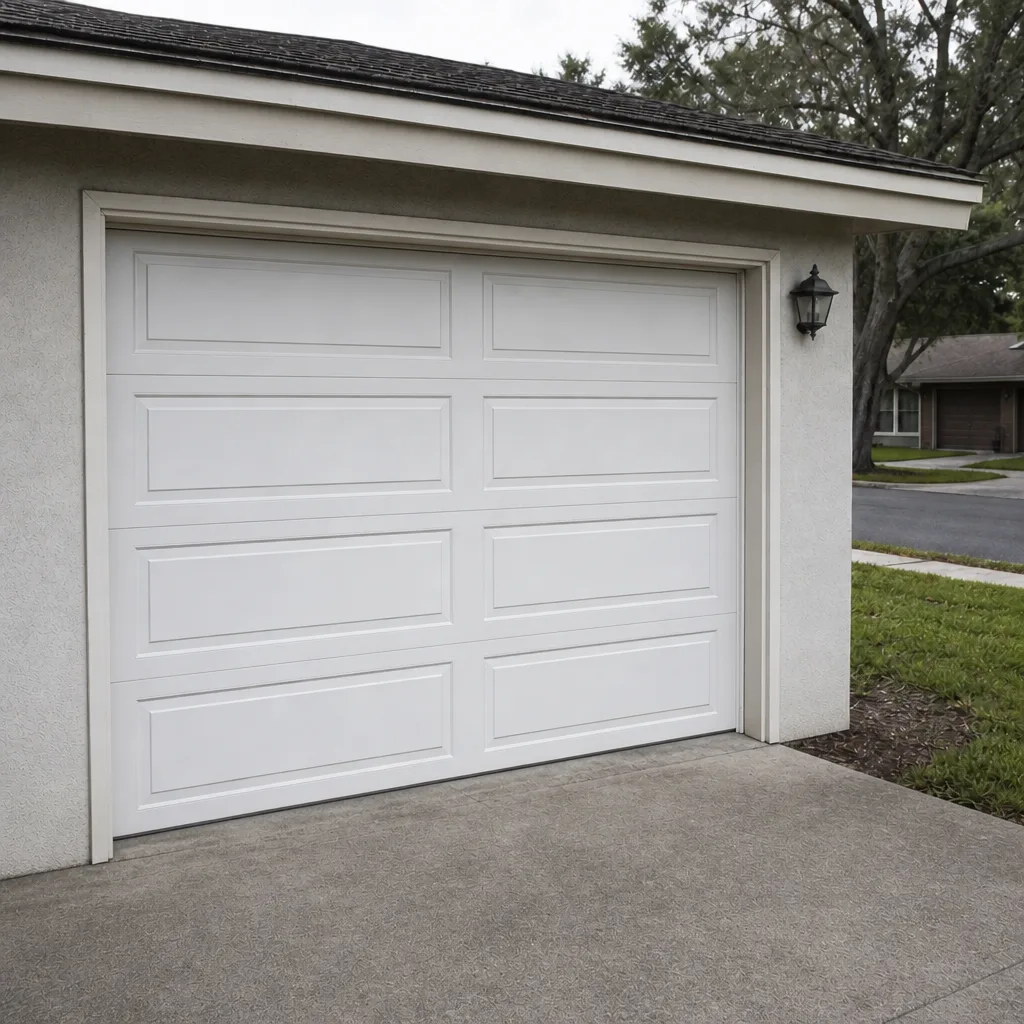 After
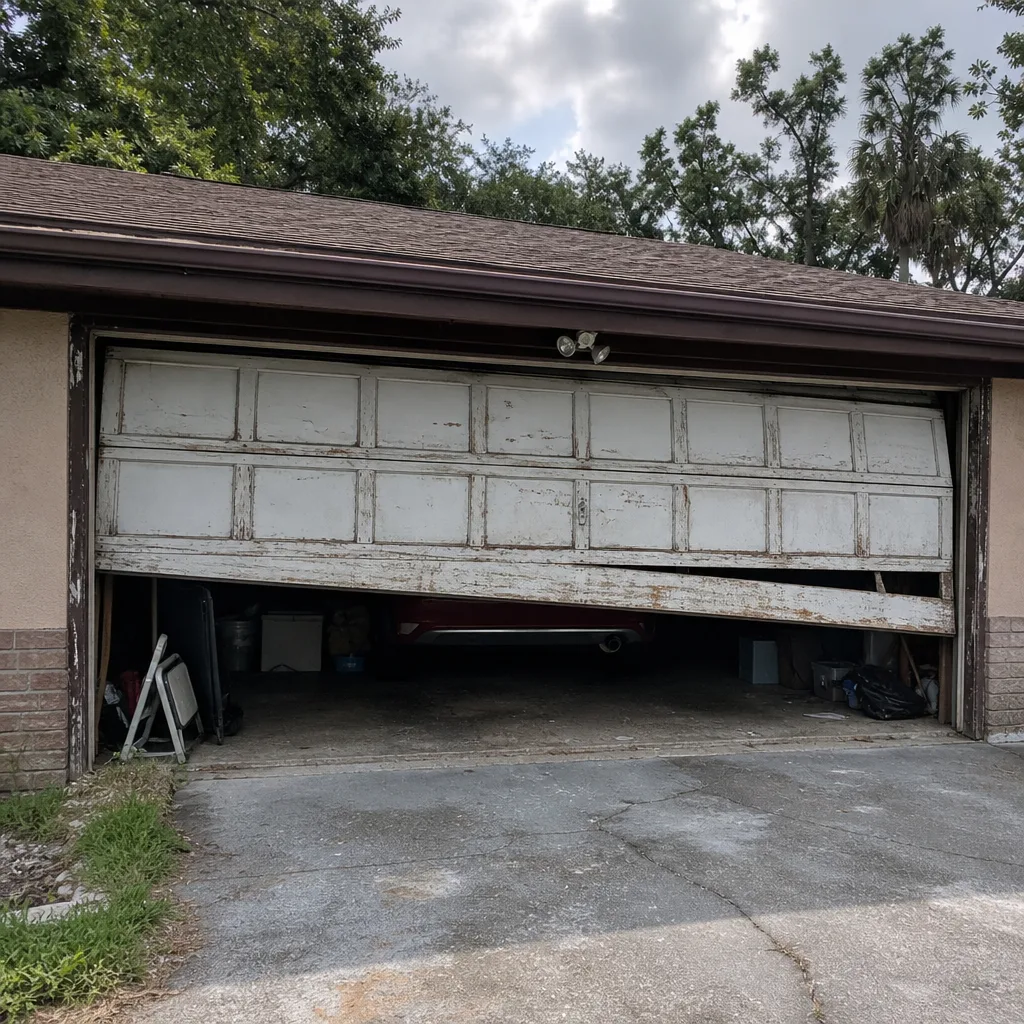 Before
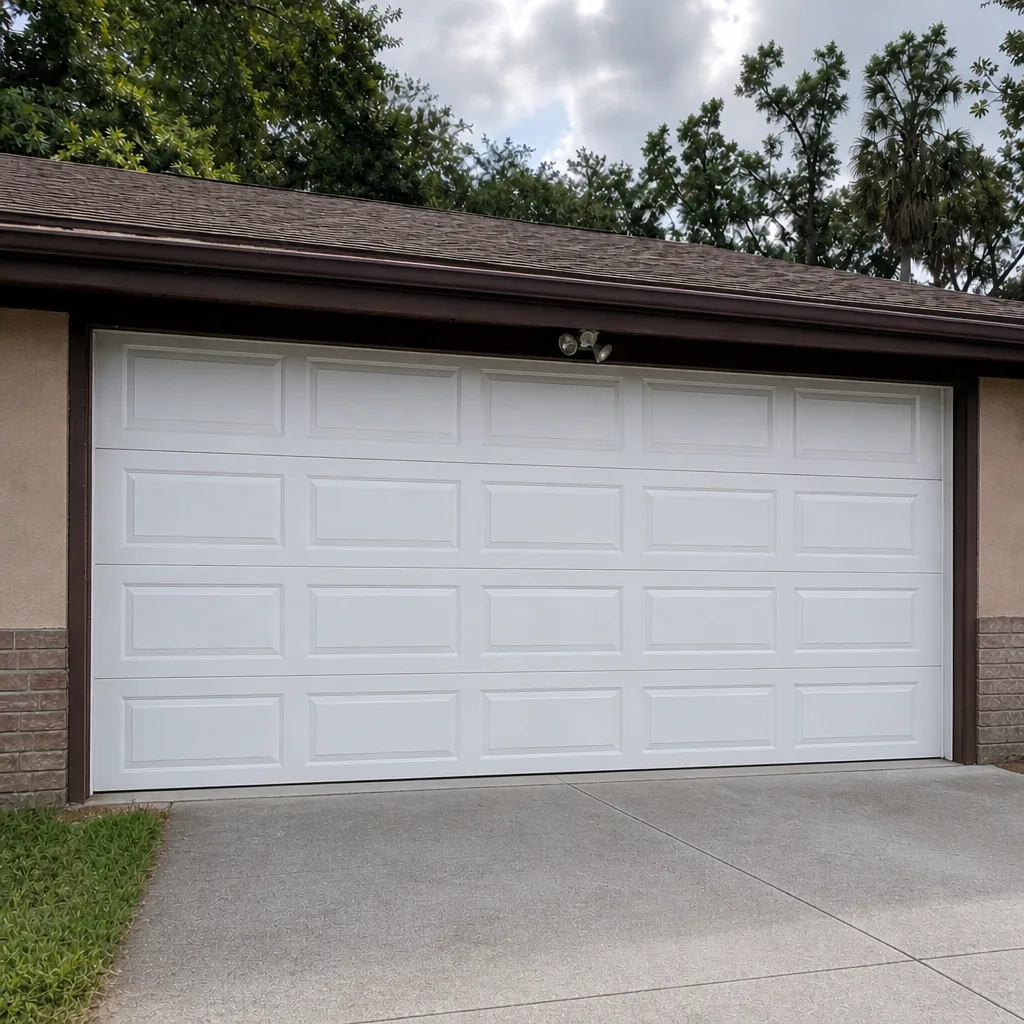 After
When to Call a Professional
Some seasonal tasks are reasonable for a homeowner: lubricating rollers, cleaning tracks, testing the emergency release, checking the safety reverse. Others should go to a technician every time. If you’ve got a broken spring, a slack or frayed cable, a door that won’t stay balanced, a track that’s out of alignment, an opener that’s cutting out in the heat, or any storm damage, call us. Springs and cables in particular carry stored energy and are the most dangerous parts of the system, and the correct tools and technique are not optional. At Town ‘n’ Country Garage Door Repair, our technicians have up to 12 years of experience, and our team works across the brands homeowners actually own – including Amarr, Wayne Dalton, Craftsman and Raynor – so we arrive already familiar with the system in your garage. Town ‘n’ Country Garage Door Repair offers free estimates in Town ‘n’ Country – call (855) 419-7945. We answer 24/7. Fast dispatch from 7am to 7pm, Sunday through Friday.
Frequently Asked Questions
The best window is April through May, before hurricane season starts on June 1. That’s when you should do the full pre-storm inspection and get any repair scheduled. A second, lighter maintenance pass in November or December keeps you ahead of the dry season. Call (855) 419-7945 for a free estimate or a maintenance visit.
No. Torsion springs store enough energy to cause serious injury, and this is the single most dangerous repair on a garage door. Even experienced homeowners shouldn’t attempt it. Spring replacement is a trained-technician job, and we handle both torsion and extension springs directly. Call (855) 419-7945 for a free estimate.
It’s common in peak summer but it isn’t normal, and it’s worth checking. Openers have thermal protection that will shut the motor down when it gets too hot. If your opener is cutting out repeatedly, the door is likely harder to move than it should be, or the opener is older and closer to its limit. We can check the door balance and opener together, and give you a free estimate before any work starts. Call (855) 419-7945.
With the door closed, pull the release cord down and toward the opener to disconnect it, lift the door by hand to confirm it moves freely, then lower it and re-engage by pulling the cord and running the opener. If the door is too heavy to lift by hand, the springs need attention. Do this test in late April, not during a storm.
Look at the panels from outside for dents or separation, check the tracks for straightness, inspect the cables at the bottom corners for slack, and clear any debris from the tracks. Then test the door by hand. If anything looks off, don’t run the opener. Call (855) 419-7945 and we’ll schedule a visit. Emergency calls are treated as urgent, not next-week appointments.
Yes. We work on your existing door – repair, spring replacement, opener repair – and we also handle full installation when a door is at the end of its life. If you’re not sure which makes more sense for your door, we can walk through it with you and give you a written estimate either way. For roots-level background, see Town ‘n’ Country Garage Door Repair.
The Bottom Line
The seasonal calendar for a Town ‘n’ Country garage door looks different from the rest of the country. Hurricane season and everything else are the two seasons that matter, and the work you do in April and May determines how the rest of the year goes. Inspect in May. Lubricate and balance in the dry season. Watch for drag and heat issues in summer. Test your emergency release before you need it. And don’t touch the springs – that’s a trained-technician job, every time. If your door is due for a look, or you’ve spotted something that needs fixing, call Town ‘n’ Country Garage Door Repair at (855) 419-7945 for a free estimate. We answer 24/7. Fast dispatch from 7am to 7pm, Sunday through Friday. Closed Saturday. The written estimate sets the price, and nothing starts until you’ve agreed to it.
Written by the team at Town ‘n’ Country Garage Door Repair.