
Last updated November 23, 2026
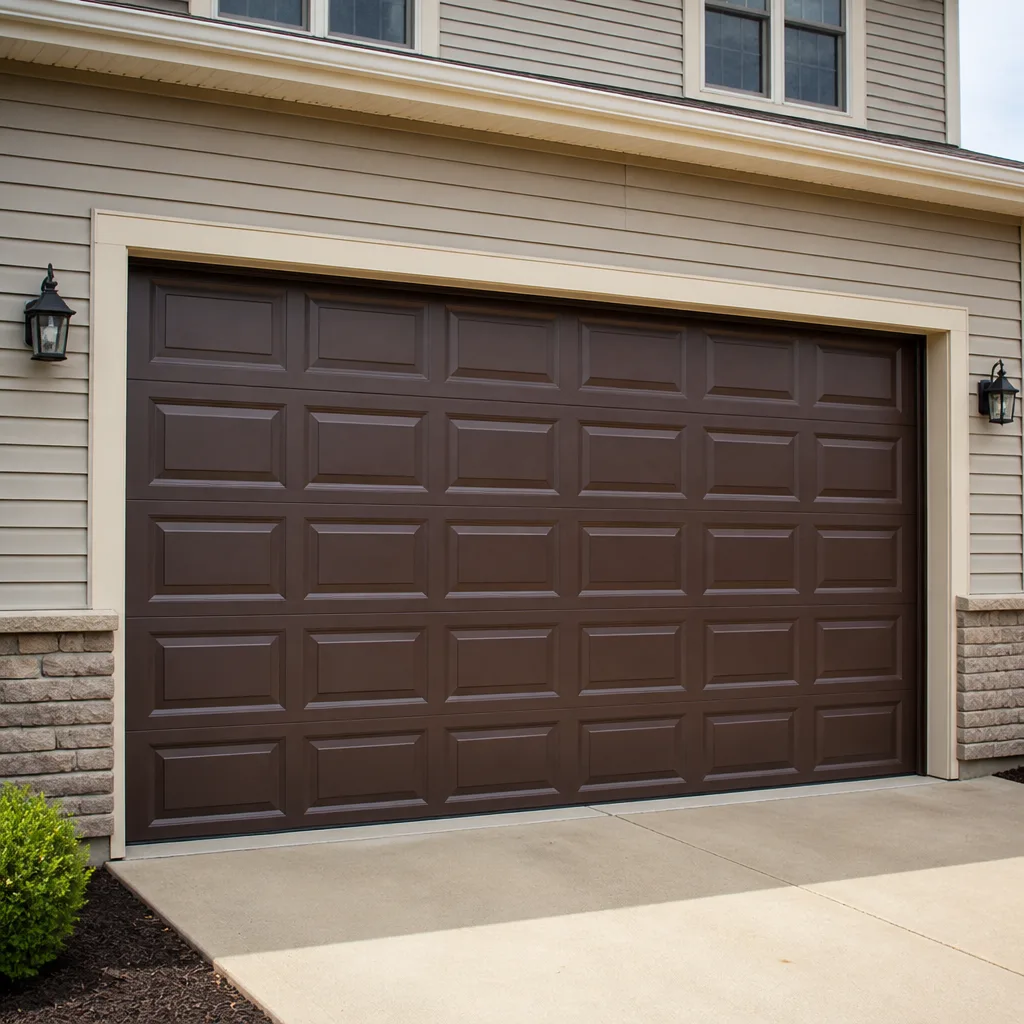 Raised-panel steel
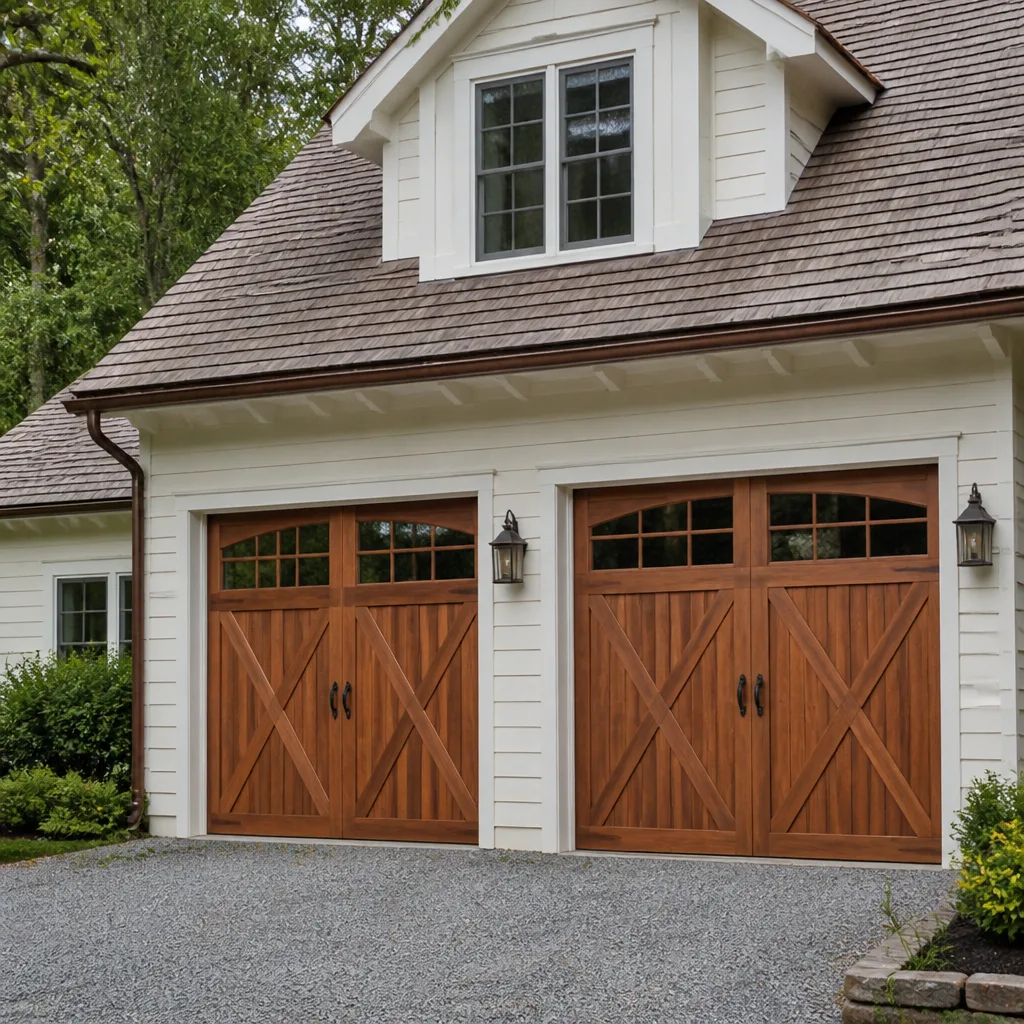 Carriage house
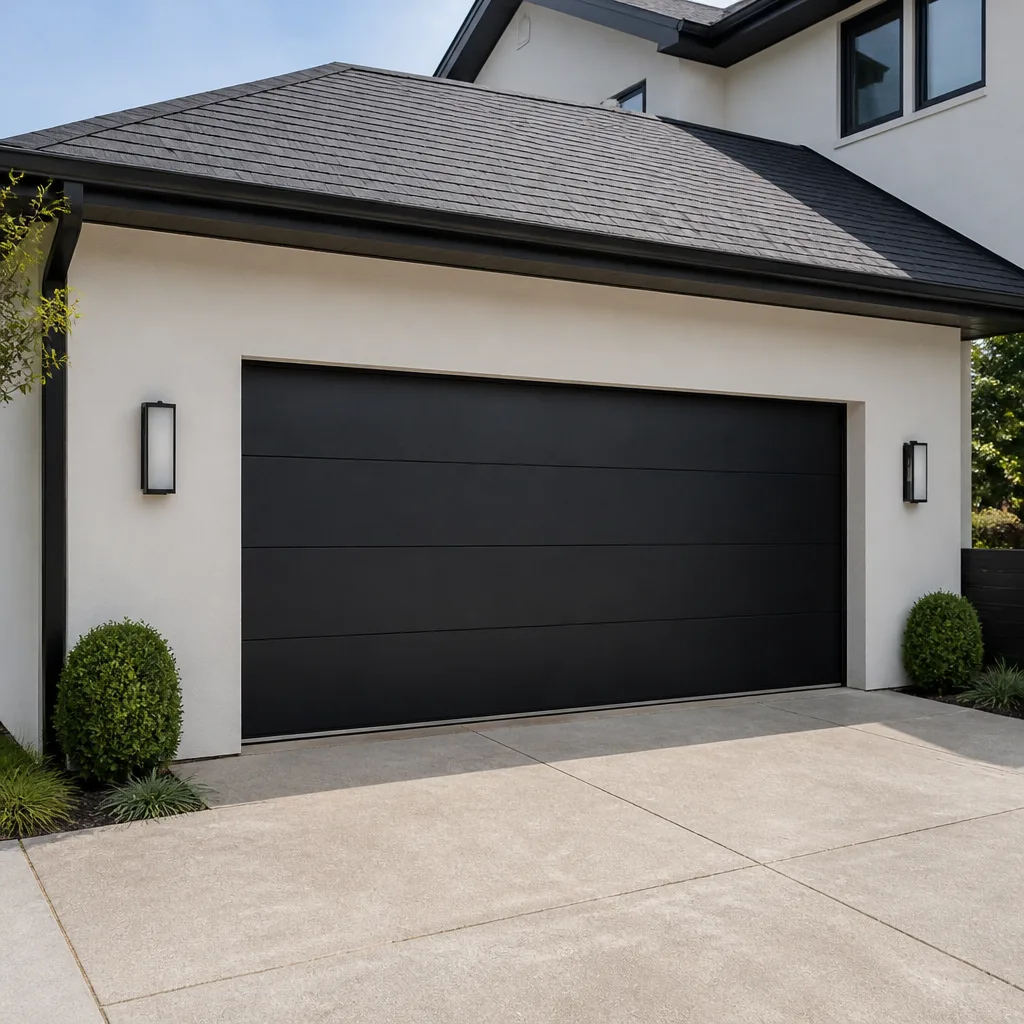 Modern flush
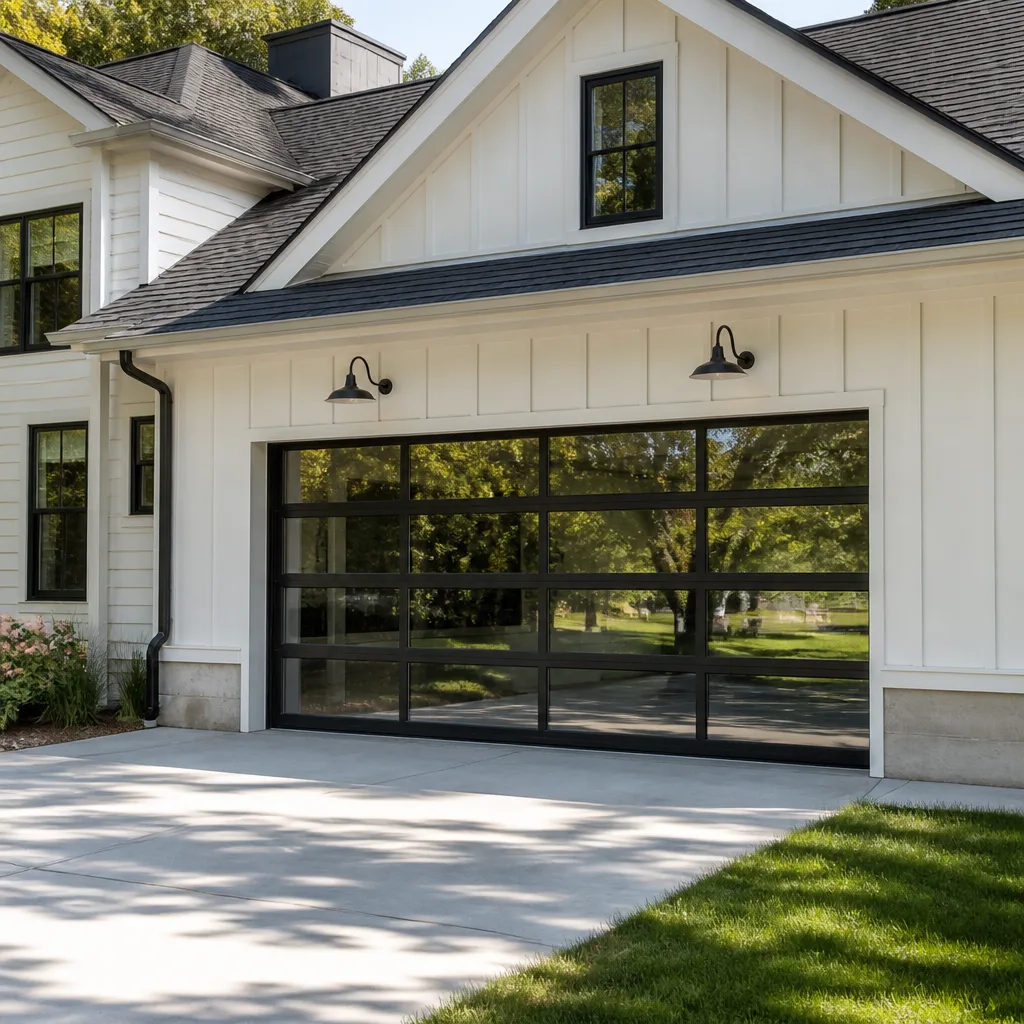 Full-view glass
 LiftMaster openers
 Chamberlain openers
Full 25-point door and opener safety check with every visit - springs, cables, rollers, tracks, and your LiftMaster or Chamberlain opener included
You get a price before we start. It does not change when the pro arrives.
Get your free estimateGarage Door Warning Signs: A Town ‘n’ Country Homeowner’s Reference Guide
A garage door that opens slower than it used to isn’t aging gracefully. It’s a torsion spring that’s lost tension, and it’s now making your opener motor compensate until one of them quits entirely. Most homeowners wait for the day the door won’t open at all, then call it a surprise. It isn’t. Every mechanical failure on a garage door announces itself first, sometimes weeks ahead, through a sound, a movement, or a mark you can see from the driveway. In this guide we’ll walk through what each signal means, which ones mean stop using the door today, and which give you a week or two to schedule a repair. Written from Town ‘n’ Country, where the humidity writes its own chapter on what breaks first.
Quick Answer
The main warning signs of a failing garage door are a door that moves slower or jerks, grinding, popping or squealing noises, a gap between the door and the floor, a sagging top panel, rust streaks near the hinges, and a door that reverses or stops partway. A popping sound or a door that slams down means stop using it and call for help. A squeak or a slow opener usually means you can schedule a repair within a week or two. In Town ‘n’ Country, rust streaks and mold on the weatherstrip show up faster than in drier parts of the state, so they belong on your weekly check.
Styles & brands we work with
- Raised-panel steel
- Carriage house
- Modern flush
- Full-view glass
- LiftMaster openers
- Chamberlain openers
Table of Contents
- Why garage doors always give warning before they fail
- Warning signs you can hear: grinding, popping and squealing
- Warning signs you can see: gaps, sag and rust lines
- Warning signs you can feel: vibration, resistance and uneven movement
- Florida climate warning signs specific to Town ‘n’ Country
- Opener problem or door hardware problem? How to tell without touching anything
- Stop using the door now vs. schedule a repair this week
- The Sunday night test: a 90-second weekly inspection
Why garage doors always give warning before they fail
The garage door is the largest moving object in most homes. It’s also the only one that lifts a couple hundred pounds several times a day with nothing but cables, springs and a motor. That’s a lot of stress cycling through a small set of parts, and stress cycling leaves evidence. A spring doesn’t snap out of nowhere. It loses tension gradually, which changes how the door feels in the first inch of travel. A cable doesn’t break cleanly. It frays first, in a spot you can usually see from the inside if you know to look.
In our experience, the reason homeowners get surprised is that the failure happens on a morning when they’re late, so the door that’s been taking three seconds longer for two weeks suddenly takes two minutes and stops. Looking back, the signs were there. The motor sounded different. The door hesitated at the top. Maybe the light flickered on the opener before it stopped.
That’s the frame for this whole guide. Garage doors fail in a slow, readable way. Your job as a homeowner is to know what to look and listen for. Our job is to interpret what you find, and Town ‘n’ Country Garage Door Repair does that every week. Reading those signals also means you can call the right service the first time, instead of paying for an opener repair when what you actually needed was a spring.
One thing worth saying up front: this guide teaches you to spot warning signs, not to repair them. The springs, cables and torsion assembly on a garage door are genuinely dangerous to work on, and we’ll say more about that in the safety sections below.
Warning signs you can hear: grinding, popping and squealing
Sounds are the earliest and most reliable warning your door gives you. What’s tricky is that most of them sound similar from the driver’s seat, but they point to very different repairs. Here’s how we separate them.
Grinding
A grinding sound, especially if it’s new and happens as the door moves up or down, usually means metal is wearing against metal. Frayed cables, dry rollers that have seized against the track, or a bent track the rollers are scraping through are the common culprits. Grinding tends to get worse over days, not overnight. If you hear grinding in Town ‘n’ Country after a stretch of humid weather, seized rollers are the first thing we’d look at.
Popping
Popping or a loud snap is the sound you take seriously. It can mean a torsion spring has just broken, or a cable fitting has let go under tension. A spring failure happens with a sharp report that sounds almost like a gunshot, followed by a door that suddenly feels much heavier or won’t open. If you hear a pop and the door stops working, stop touching it. That’s the moment to call.
Squealing
A high squeal on every cycle usually means the torsion bar, hinges or rollers have lost lubrication, or a roller bearing is failing. Squealing is the mildest of the three and rarely urgent on its own. But it’s worth having looked at, because a roller that’s squealing today will seize in a few weeks and start grinding.
- Grinding (metal on metal): worn rollers, bent track, or a frayed cable.
- Popping (loud snap): broken spring or failed cable fitting. Stop using the door.
- Squealing (high pitch): dry torsion bar or failing roller bearing. Usually non-urgent.
- Rattling that’s new: loose hardware, or a panel that’s working itself free of the stile.
- A clunk at the very start or end: the opener’s travel limit is off, or the door is binding on the track.
If any of those are new sounds for your door, note when they happen (start, middle, end of travel) and how often. That detail alone saves a lot of diagnostic time. When a sound becomes a repair, we handle it as a straight garage door repair call, and our technicians have up to 12 years of experience across LiftMaster and Chamberlain systems and other major brands.
Warning signs you can see: gaps, sag and rust lines
Sight signs are the easiest to check because you can spot most of them from the driveway before you even pull out. Here’s what to look for.
The gap at the bottom
Stand in front of your closed door and look at the seam where the door meets the floor. If you can see daylight or feel outdoor air coming in along the bottom, the weatherstrip or seal has started to fail. In a Town ‘n’ Country summer, that gap is where humidity, water and insects come in. It’s also the first thing to look at if you find mold on the seal itself.
The sag or bow
Step back ten feet and look at the door straight on. Does the top panel sag in the middle? Does the door look like it’s leaning slightly on one side? A sagging top panel usually points to a worn spring balance, or a bent top section from repeated load. An uneven lean points to a stretched cable or one side of the torsion system doing more work than the other.
Rust lines
Look along the hinges, along the bottom edge of the door, and around the bolts. Thin orange streaks running down from a hinge are typically rust weeping out of a bracket that’s corroded on the inside. You’re seeing the symptom before the failure. In Town ‘n’ Country, a bracket that’s holding water in the summer humidity corrodes from the inside out, so a rust line on the face of the door can be a sign that bracket is getting ready to fail, and that’s a repair you want to catch early.
Other sight signals
- Frayed strands on a cable visible from the inside.
- Rollers with flat spots or a visibly worn edge.
- A track with a visible bend or kink at one roller.
- Off-center or peeling paint along a seam, sometimes a sign of movement in that panel.
- Mold on or under the weatherstrip, which tells you the seal has stopped sealing.
When sight signs point to a door that’s reached the end of its useful life, that’s a different conversation than a repair. We’ll cover that later, but you can read more about garage door installation if you’re weighing replacement against another round of fixes.
Warning signs you can feel: vibration, resistance and uneven movement
The third sense is touch, and it’s the one homeowners skip most. You don’t need to grab or force anything. You just observe the door as it moves.
Vibration through the floor
Stand inside the garage and let the door run through a full cycle. If you feel a rhythmic thrum through the concrete, that’s a roller or hinge that’s binding and fighting the rest of the system. Metal shoes on a bound roller can wreck the track over a few weeks. It’s worth noting which side of the door the vibration comes from.
Resistance on the manual release
With the door fully closed and the opener disconnected (pull the red release handle), try lifting the door by hand about a foot and see how it feels. A properly balanced door lifts with a smooth, steady resistance and then stays put when you let go at about waist height. A door that feels heavy, jerks up, or slides down on its own is out of balance, and the spring system is the reason. Don’t force it, and don’t try to correct it with a wrench. That’s the dangerous part of the door, and we’ll say more about it in a minute.
Uneven movement
Watch the door as it opens and closes. Does one side move faster than the other? Does the door rack slightly before it seats at the top? Uneven movement points to a cable tension mismatch or a worn torsion spring, and it’s a strong predictor of a cable failure if left alone.
A quick note on the springs
The torsion spring assembly at the top of your door is the single most dangerous part to touch on a home. A torsion spring is under hundreds of pounds of tension even when the door is closed. Homeowners have been seriously hurt trying to wind or unwind one with improvised tools, which is why spring repair is a job for a trained technician, not a weekend project. The safest thing you can do with a spring that’s acting up is to leave it alone and describe what you’re feeling to a technician over the phone.
Florida climate warning signs specific to Town ‘n’ Country
Town ‘n’ Country gets the warm, humid version of every garage door problem. The mechanics are the same as anywhere, but the timeline is shorter. If you’ve moved here from a drier part of the country, that’s the adjustment worth making.
Rust streaks that show a failing bracket before the bracket fails
As we mentioned in the sight section, the orange streaks running down from hinges and bolt points are typically rust weeping out of a steel bracket that’s corroding from the inside. The outside of the bracket can look fine while the inside is pitted and weak. A rust line on a Town ‘n’ Country door is a “have it checked” sign, not a “keep going” sign, because once that bracket lets go under load you’re looking at a stuck door and a bigger repair.
Weatherstrip mold that says the seal has stopped sealing
A small amount of mold on the weatherstrip is normal for a garage that gets hit by summer humidity. Growth that spreads or recurs after cleaning is a sign the seal has failed and the strip is holding moisture. That’s an inexpensive fix that pays for itself in a cooler garage and less moisture in the house. It’s also one of the easiest warning signs to check on your weekly walk-around.
Humidity-driven roller issues
Rollers that would ooze along in a dry state can seize in high humidity. If your door’s grinding is seasonal, it’s usually rollers. Grease attracts grit in Town ‘n’ Country’s sandy air, so too much lubrication can be as bad as none. If you’ve had a seized roller once, watch for the pattern.
Afternoon heat and opener strain
A motor that sounds tired on a hot afternoon is often fighting a door that’s out of balance, not failing itself. Before assuming the opener needs replacing, have the door’s balance checked. Our garage door opener repair service starts with a look at the door, because the motor is usually the messenger, not the cause.
Opener problem or door hardware problem? How to tell without touching anything
This is the question that saves the most diagnostic time, and you can answer most of it from the driver’s seat. The trick is to observe rather than intervene. Here’s the sequence we walk callers through.
- Does the opener motor run but the door doesn’t move? That’s almost always a door-side problem. A broken spring, a snapped cable or a seized roller can leave the motor spinning while the door stays put. It’s not the opener.
- Does the door move a few inches and reverse? That’s usually a safety-sensor or travel-limit issue on the opener, not a hardware failure. Look at whether the sensors at the bottom are obstructed or misaligned, then call it as a garage door opener repair job.
- Does the opener only click and do nothing? That’s typically an opener-side fault, such as a bad capacitor or drive gear. The door itself is probably fine.
- Does the door move unevenly or make a grinding sound while moving? Hardware. Worn rollers, a bent track or a stretched cable, and the opener is straining to compensate.
- Does the door feel heavy on the manual release? Spring or balance issue, definitely hardware, and possibly one you should stop using until a technician sees it.
- Does the light flash on the opener before the door reverses? On LiftMaster and Chamberlain units with myQ, an LED code on the opener housing tells you exactly what the opener thinks is wrong. Note the pattern before you call.
If your answer is “I’m not sure,” note what you observed and describe it. We’ll narrow it down on the phone. This saves you from a diagnostic call for the wrong system and, since we service the eight major brands most homes actually have, we’re likely to be familiar with the exact model once we know the brand.
Stop using the door now vs. schedule a repair this week
Not every warning sign is an emergency. Some are a “schedule it now” sign, and some are a “call today, we’ll be there” sign. Getting this distinction right protects you and your car.
Stop using the door now
- A loud pop followed by a door that won’t stay up. Spring has likely broken. The door is no longer under proper tension and can fall.
- The door feels extremely heavy on manual release. Springs or cables have failed, and the door can drop suddenly.
- A cable that’s obviously frayed or hanging loose. Do not cycle it. Cables are under heavy tension.
- The door is visibly off its track or hanging at an angle. Operating it risks a fall and a worse repair.
- The door is stuck open and won’t close. That’s a security and weather-exposure problem, and in Town ‘n’ Country it’s also an open door to rain and insects. Treat it as urgent.
- You can see a bent or broken spring. Leave the door closed if you can, or leave it alone entirely if you can’t.
Schedule a repair within a week or two
- Grinding that only happens on part of the cycle. Worn rollers or a track that’s a bit off.
- Squealing on every cycle. Lubrication or a worn roller bearing.
- A gap at the bottom. Weatherstrip or seal replacement.
- Rust streaks on hinges. A bracket replacement worth doing before it fails.
- Vibration you can feel but the door still works. Binding roller, worth fixing early.
- The opener runs but reverses immediately. Sensor or limit setting, non-urgent.
The line to hold in your head is simple: if the door can fall or a cable or spring has failed, stop. If it’s still moving and just sounds or looks off, this week is fine. Either way, our garage door repair team knows the difference, and if it’s urgent we treat it that way.
The Sunday night test: a 90-second weekly inspection
The best way to catch warning signs early is to make the check a habit. This is a short routine you can run every week. It takes about a minute and a half, and it’s the single best thing a Town ‘n’ Country homeowner can do to avoid a garage door surprise on a morning they can’t afford one.
- Look at the floor gap. Stand in front of the closed door and check for daylight or a draft along the bottom. 15 seconds.
- Look along the hinges and bottom edge. Any rust streaks or weeping lines? 15 seconds.
- Step back and look at the door straight on. Is the top panel sagging, or is the door leaning to one side? 10 seconds.
- Watch the weatherstrip. Any mold growth or peeling? 10 seconds.
- Run the door once. Listen for grinding, popping or squealing, and watch for jerking or uneven movement. 20 seconds.
- Note anything new. If the sound or movement changed since last week, write it down and mention it when you call. Even a rough description helps. 10 seconds.
- Look at the rope on the manual release. Is it hanging where you can reach it? If it looks frayed or disconnected, add that to the list. 10 seconds.
That’s the whole test. It doesn’t require tools, it doesn’t require opening anything, and it doesn’t ask you to touch the springs. What it does is give you a baseline, so the first time your door sounds different, you’ll know it’s new. And that’s exactly the point in the failure timeline when a repair is small. If the weekly test is turning up a new problem each week, it might be time to talk about replacement rather than repair; that’s what our team at Town ‘n’ Country Garage Door Repair helps sort out, free of charge for the estimate.
Common Mistakes to Avoid
- Ignoring a slow door and blaming the opener. A door that’s taking an extra second or two usually has a spring issue. Replacing the opener with a healthy door usually means you’ll be back on the phone a month later with the same problem.
- Greasing everything that squeaks. In Town ‘n’ Country’s humid air, grease on the wrong surface attracts grit and makes a binding roller worse. A squeal is information, not just a nuisance; have it looked at rather than burying it in grease.
- Tightening hinges and brackets with a wrench to “fix” a sag. A sagging door is a balance or spring problem. Over-tightening the panel hardware can crack a stile and turn a spring repair into a panel replacement.
- Cutting the weatherstrip mold off and leaving the seal alone. The mold is the messenger. Cut it off and it comes back, because the seal underneath is still leaking.
- Operating a door after a pop, “just to park the car.” That’s how a broken spring becomes a bent track and a door on the floor. Stop the door at the pop and call it in.
- Assuming a rust line on the door face is just cosmetic. It’s usually a bracket corroding from the inside. It’s an inexpensive fix now and a much larger one if the bracket fails.
- Skipping the weekly check because “it’s been fine.” Warning signs are obvious once you have a baseline. Without one, you’re watching for a change you can’t see.
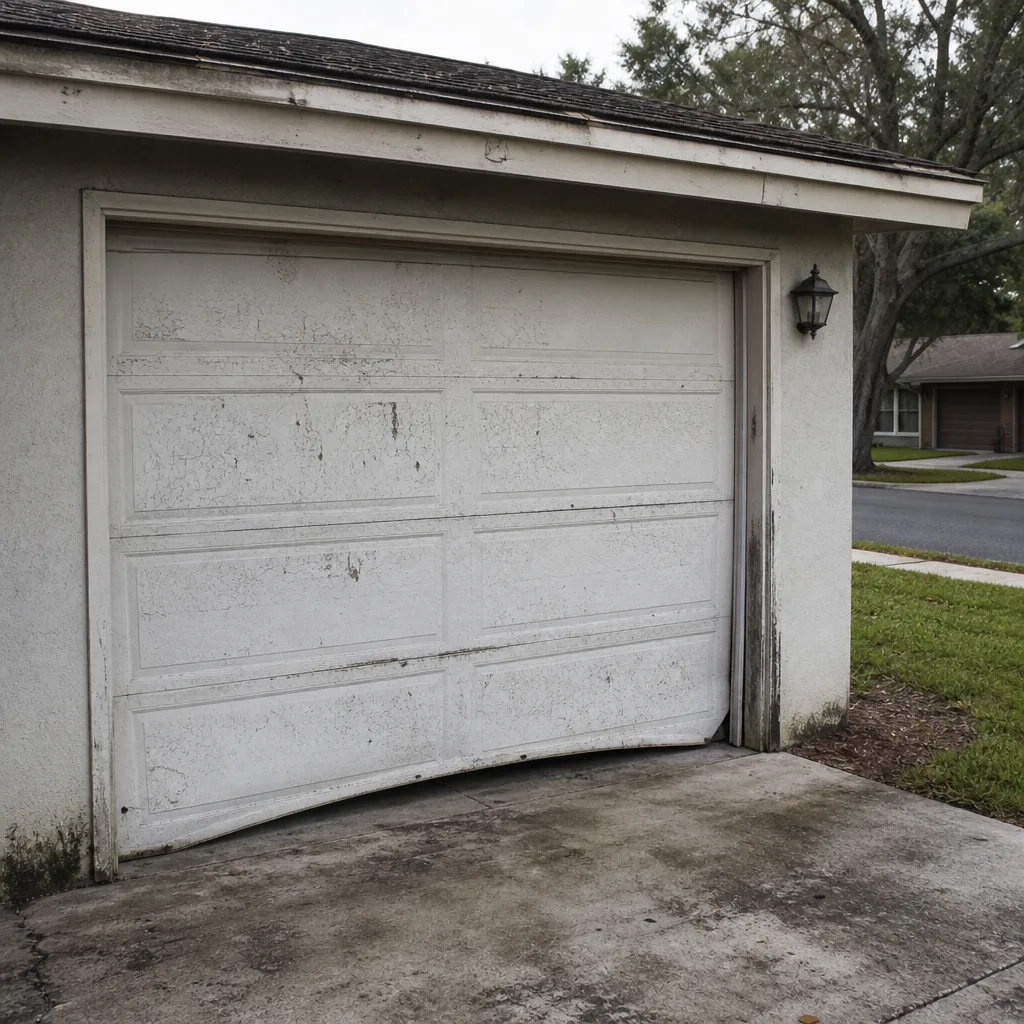
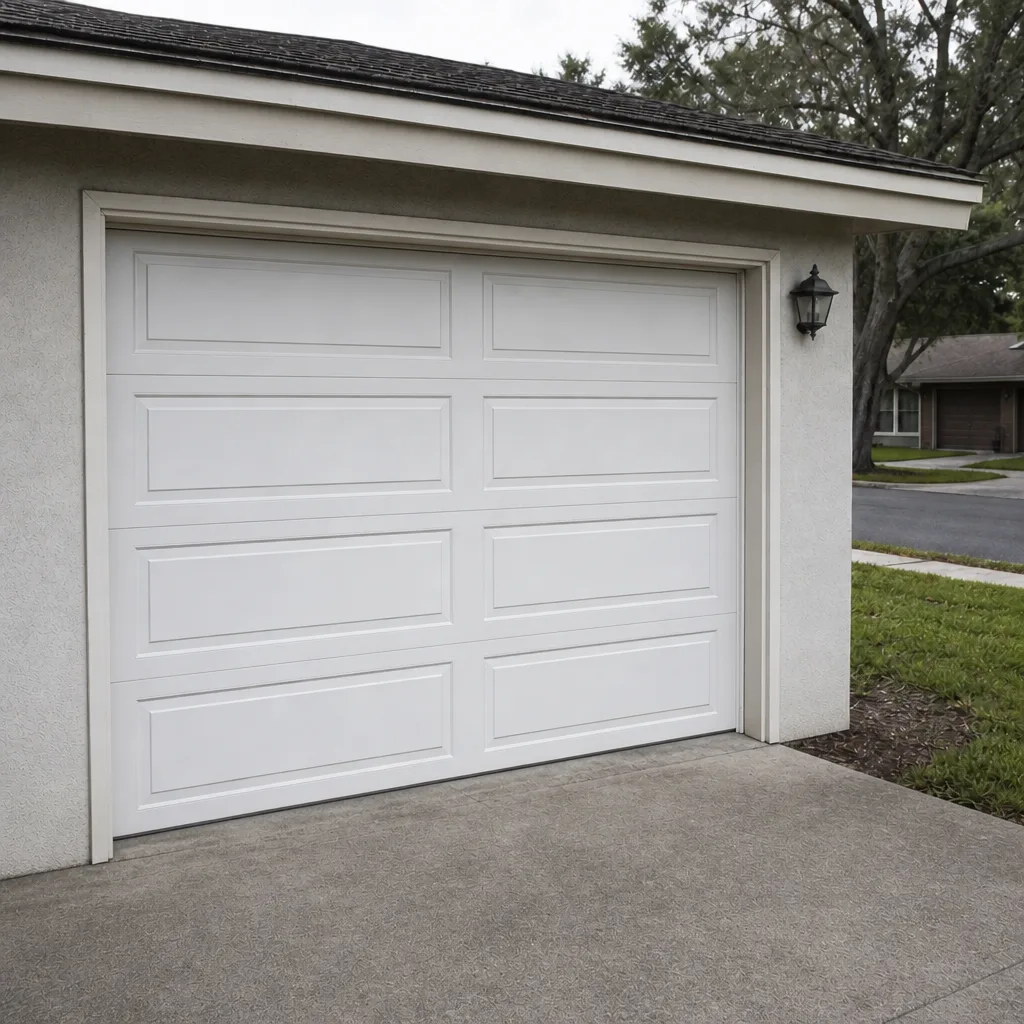
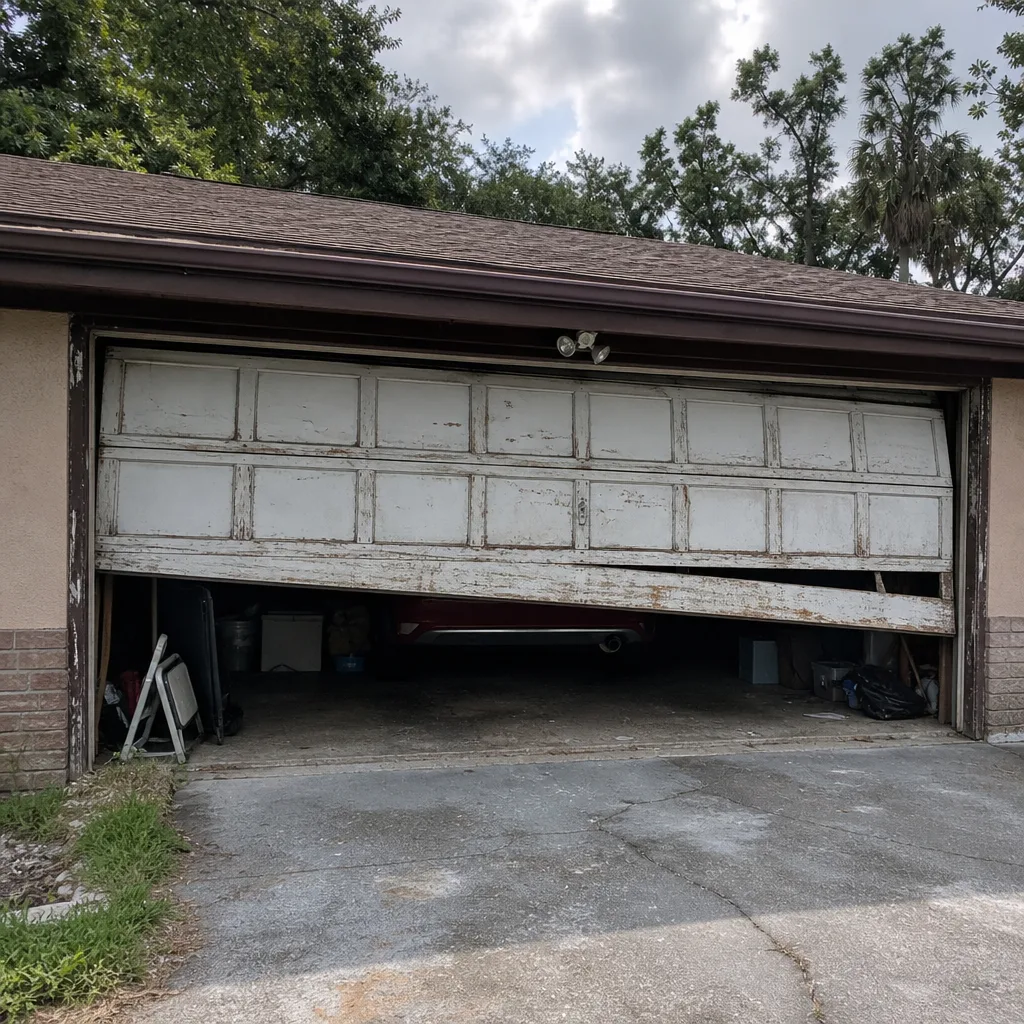
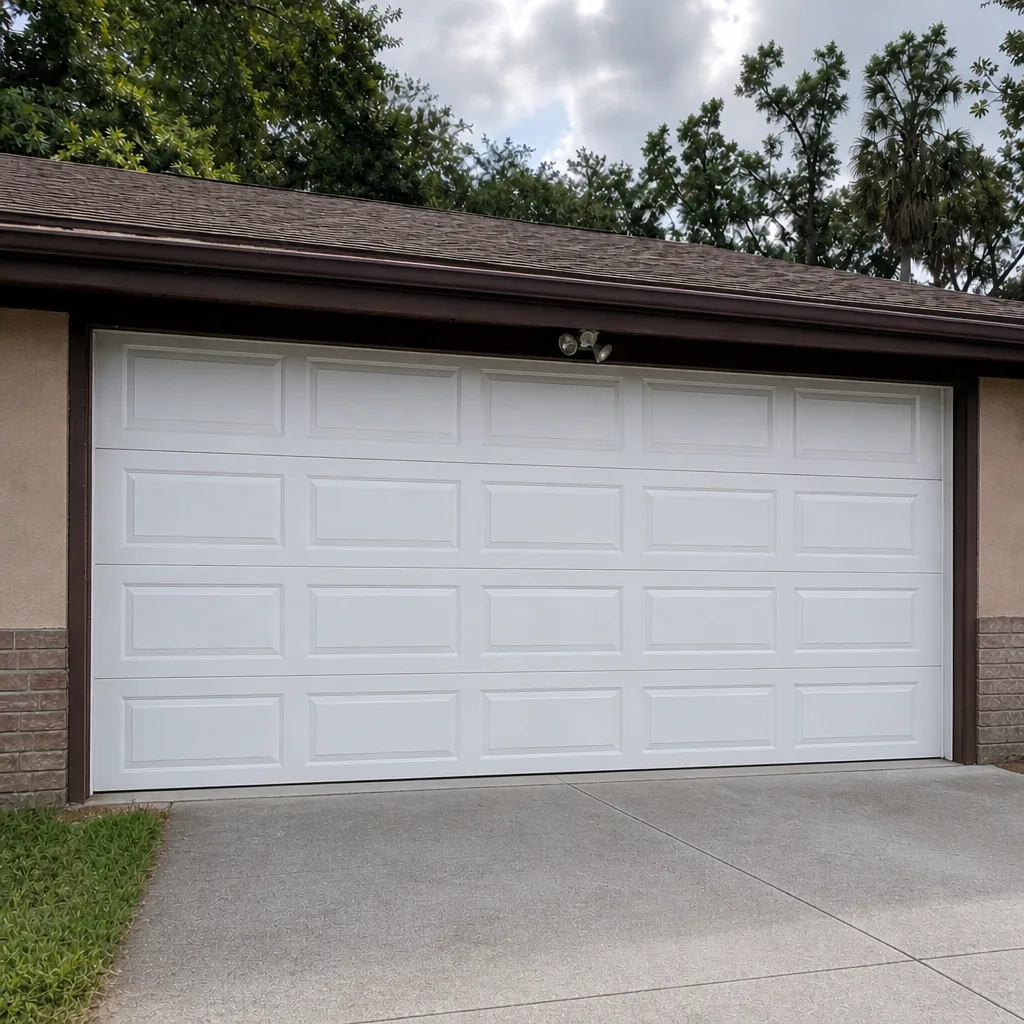
See the difference
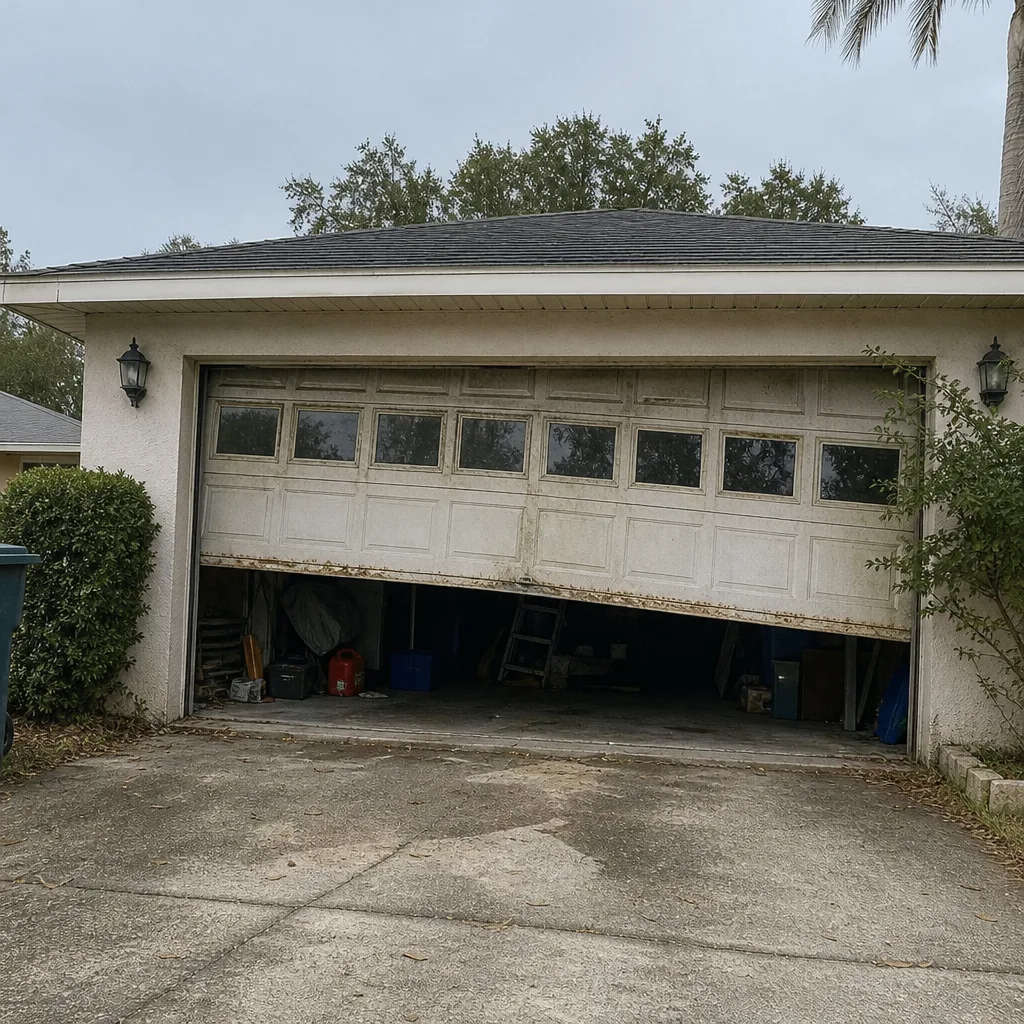 Before
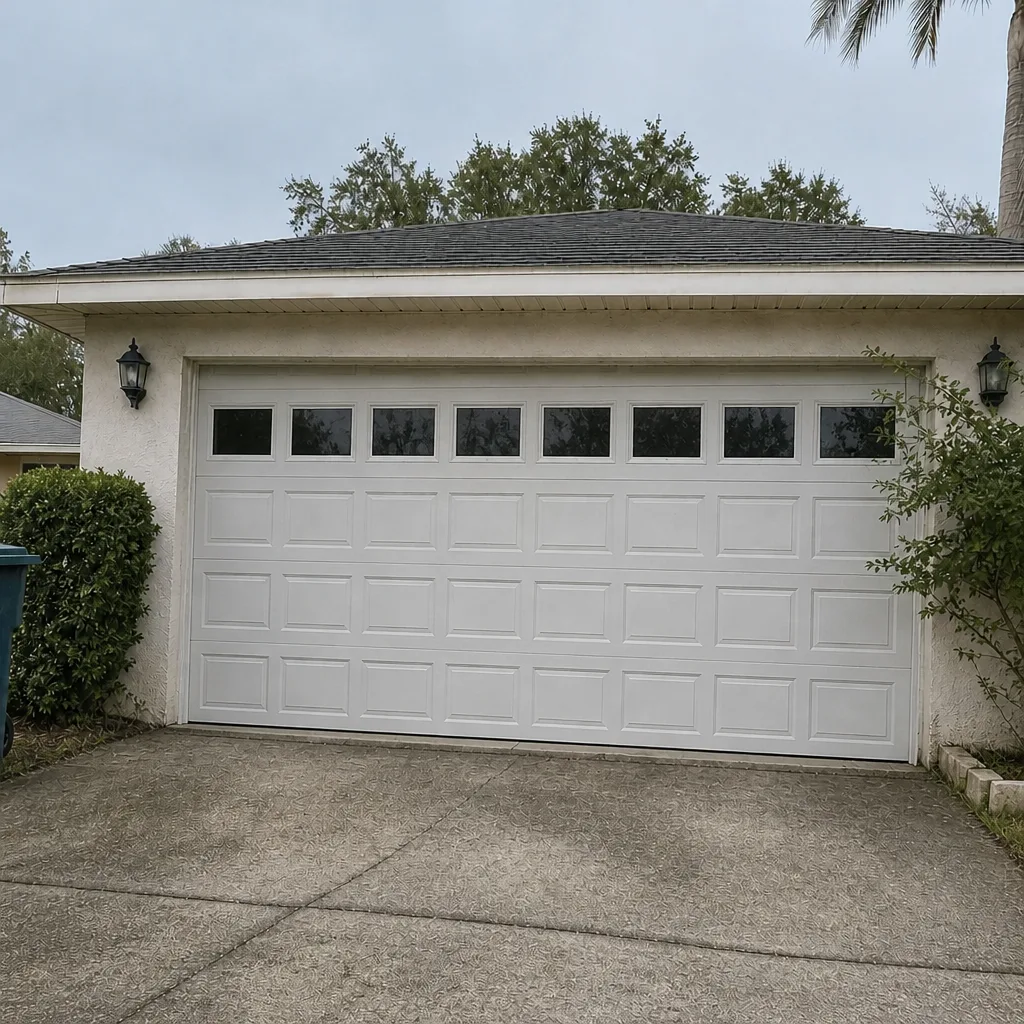 After
 Before
 After
 Before
 After
When to Call a Professional
Call a professional today if the door has popped, a spring looks broken, a cable is frayed or hanging, the door won’t stay up, or the door is stuck open and needs to close. For grinding, squealing, a bottom gap, rust streaks on hinges, vibration, or a door that looks slightly out of balance, call and schedule within the week; the earlier the call, the smaller the repair. The one thing we’d ask you not to do is try to correct a spring or cable yourself. Torsion springs and cables are under heavy tension even when the door looks at rest, and they’re the most dangerous part of the system.
Town ‘n’ Country Garage Door Repair offers free estimates in Town ‘n’ Country. Call (855) 419-7945. We answer 24/7, fast dispatch from 7am to 7pm, Sunday through Friday. Our technicians have up to 12 years of experience with the brands most homes here actually have: LiftMaster, Chamberlain, Genie, Clopay, Amarr, Wayne Dalton, Craftsman and Raynor. Emergency calls are treated as urgent, not next week.
Frequently Asked Questions
Grinding or a door that opens slower than it used to is the most common warning sign, and it usually points to worn rollers, a binding track or a spring that’s losing tension. Grinding is the earliest readable signal, and it nearly always shows up weeks before the door stops working. Call (855) 419-7945 for a free estimate if it’s new on your door.
A loud pop followed by a door that won’t open usually means a torsion spring has broken. That’s the single most common cause of this symptom, and the door is no longer safe to operate because it can fall. Stop using the door and call a technician; ours are ready for spring jobs and treat this as urgent. Call (855) 419-7945.
It’s usually safe for a few days, but not for long. Grinding means metal is wearing against metal, and left alone it can ruin a track or a panel and turn a small repair into a large one. Schedule it within the week. Call (855) 419-7945 and describe when the grinding happens; that alone speeds things up.
Mold on the weatherstrip means the seal has failed and the strip is holding moisture. Town ‘n’ Country’s summer humidity makes this worse than in drier parts of Florida, and it’s usually an inexpensive replacement. Recurring growth after cleaning is the tell. Call (855) 419-7945 for a free estimate on a reseal.
If the motor runs but the door doesn’t move, the problem is almost always the door. If the door moves a few inches and reverses, it’s usually the opener’s sensor or travel limit. The manual release test is the cleanest way to tell; a door that feels heavy on the release is a door or spring issue, not an opener fault. Call (855) 419-7945 and we’ll help you sort out which system to describe.
No. A torsion spring is under hundreds of pounds of tension even when the door is closed, and winding or unwinding one without the right tools and training causes serious injuries. Our spring repair is handled by trained technicians as a core service, not subcontracted. Call (855) 419-7945 and we’ll take it from there.
A door stuck open is urgent because your garage is exposed and the door isn’t safe to move on your own. In Town ‘n’ Country’s weather, an open door also means rain and insects getting into the garage. We answer 24/7 and treat this as an urgent call. A call outside dispatch hours is booked into the next opening, Sunday through Friday, 7am to 7pm. Call (855) 419-7945.
When the warning signs are spread across the whole door, not one system, replacement usually makes more sense than another round of repairs. A sagging top panel, multiple rust lines, a failing seal, and a spring that’s already been replaced once can add up to a door that’s past its useful life. We’ll give you an honest comparison of repair versus replacement in a free estimate, and the price is quoted and agreed before any work starts. Call (855) 419-7945.
The Bottom Line
Garage doors don’t fail silently. They give you the warning in a sound, a movement or a mark, usually weeks before the morning they stop working. Listen for grinding, popping and squealing. Look for a sagging top panel, a gap at the bottom, and rust streaks from a failing bracket. Feel for vibration and check the manual release for a door that’s heavier than it should be. In Town ‘n’ Country, the humidity makes rust and weatherstrip mold show up faster, so those two belong on a weekly check. Run the Sunday night test, stop using a door that’s popped or falling, and call (855) 419-7945 for a free estimate before a small repair grows into a bigger one. We work on the brand you already own, from installation to repair, so one call covers it.
Written by the team at Town ‘n’ Country Garage Door Repair.