
Last updated November 23, 2026
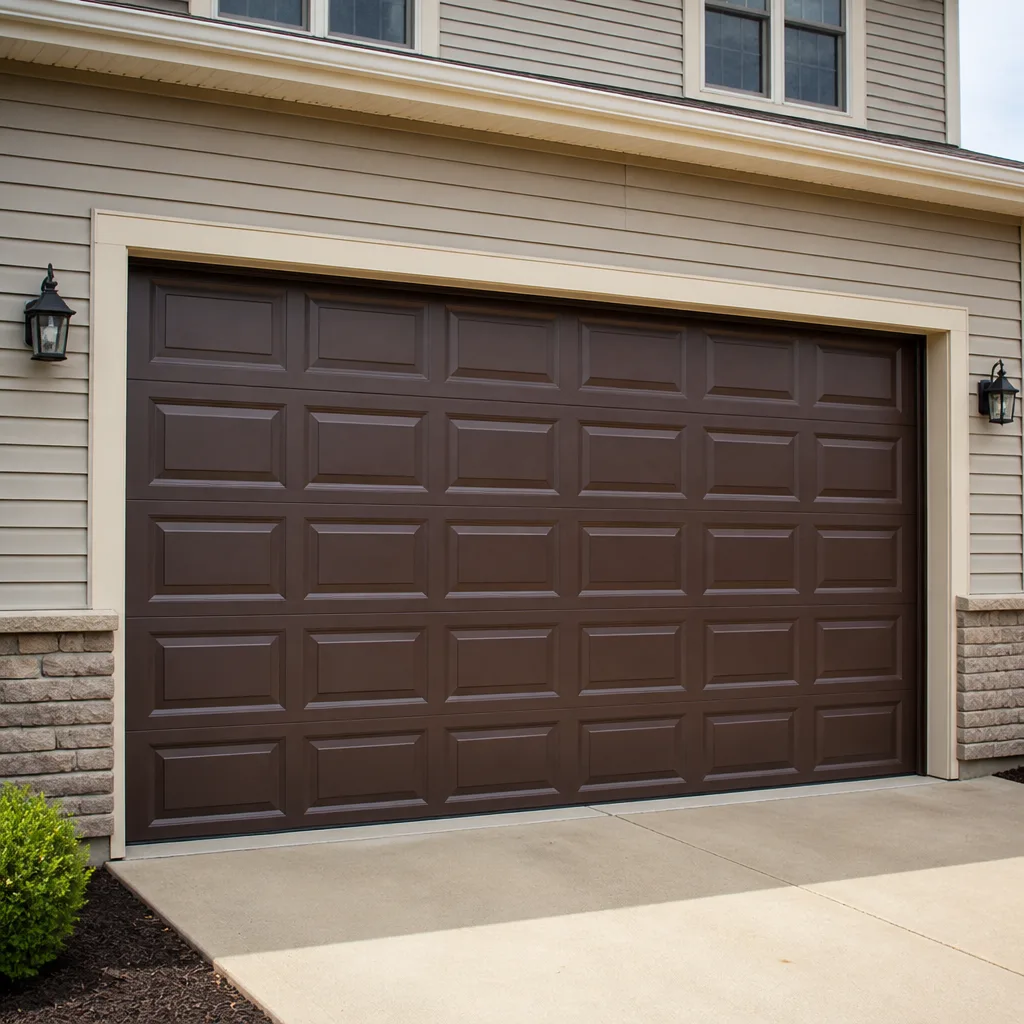 Raised-panel steel
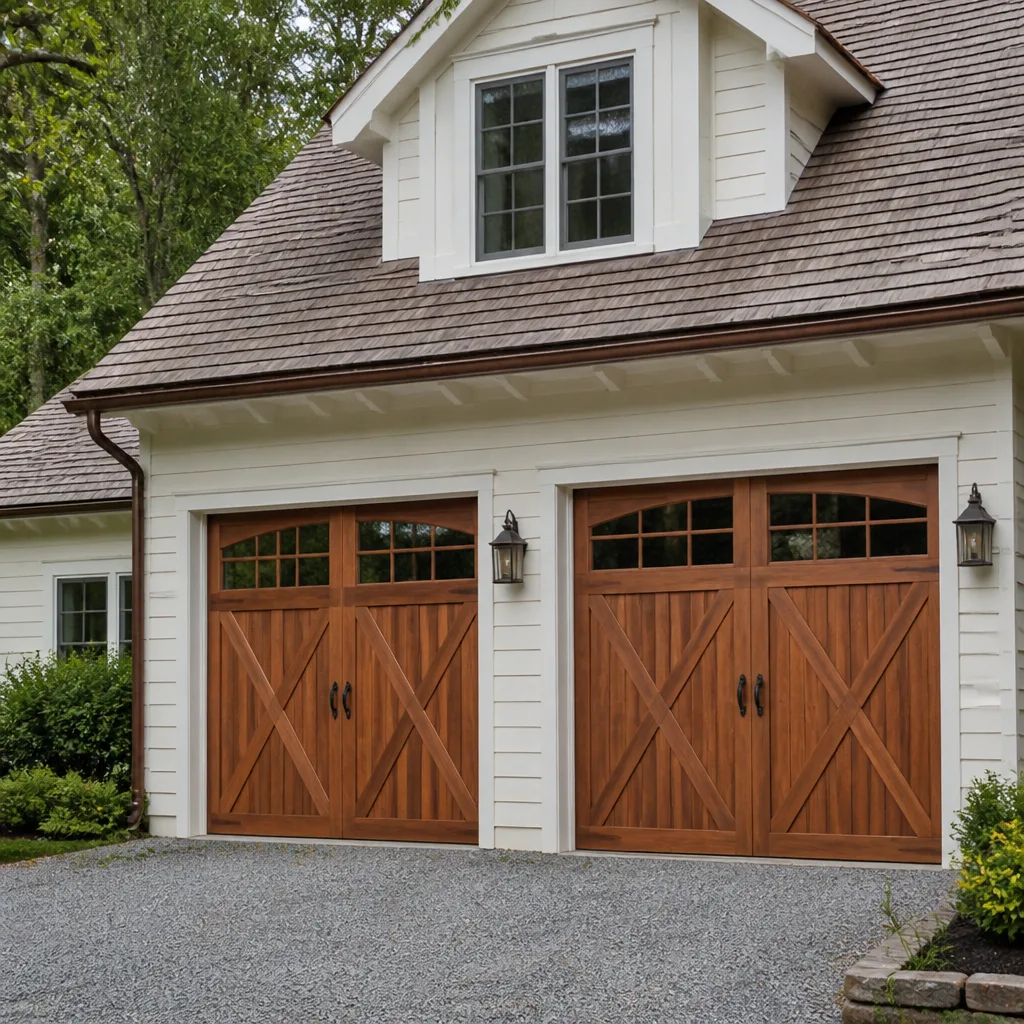 Carriage house
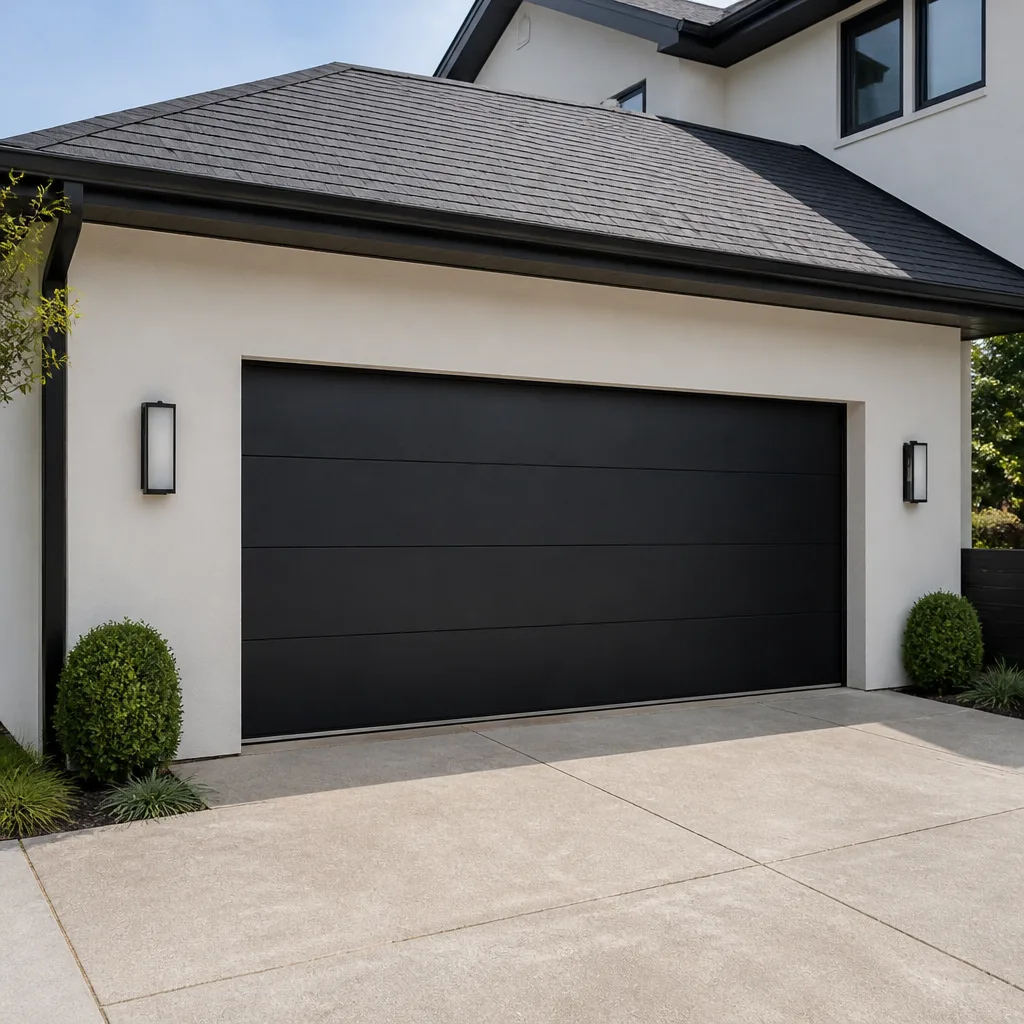 Modern flush
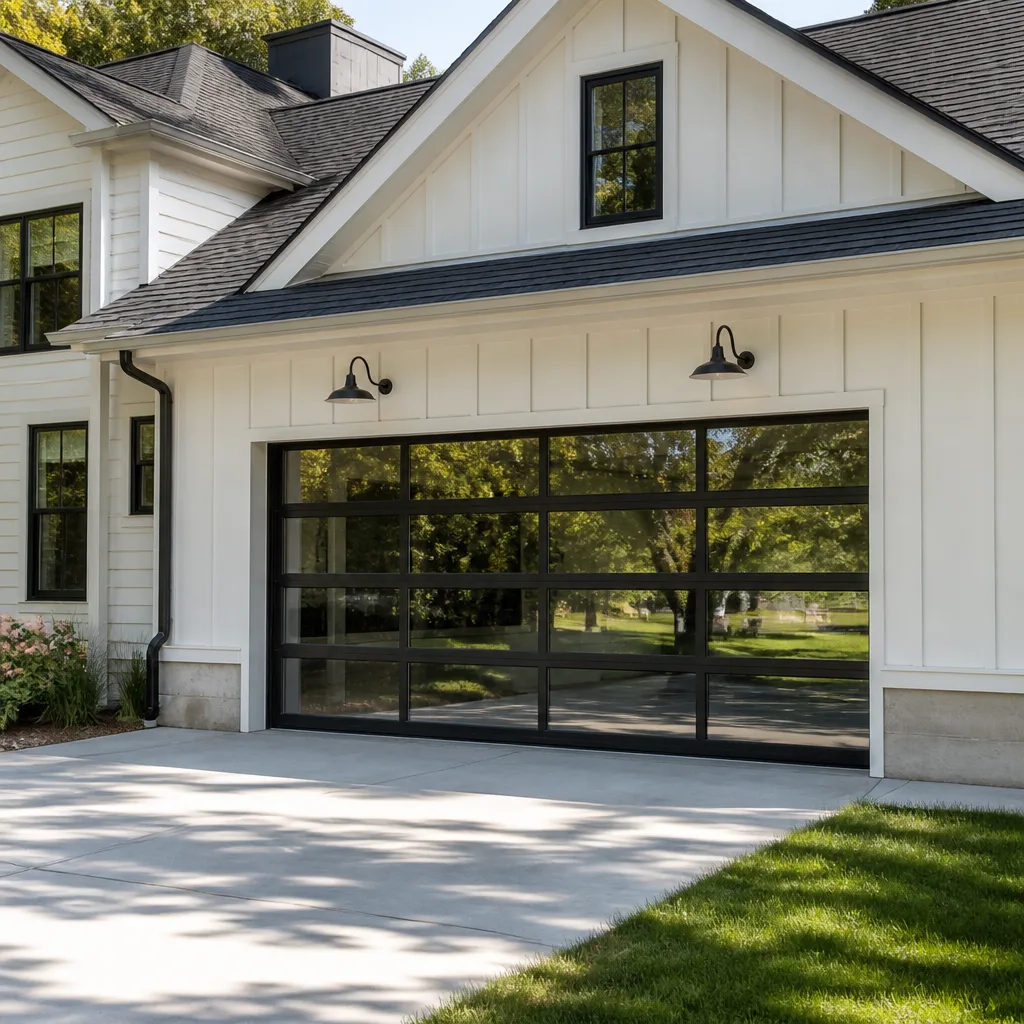 Full-view glass
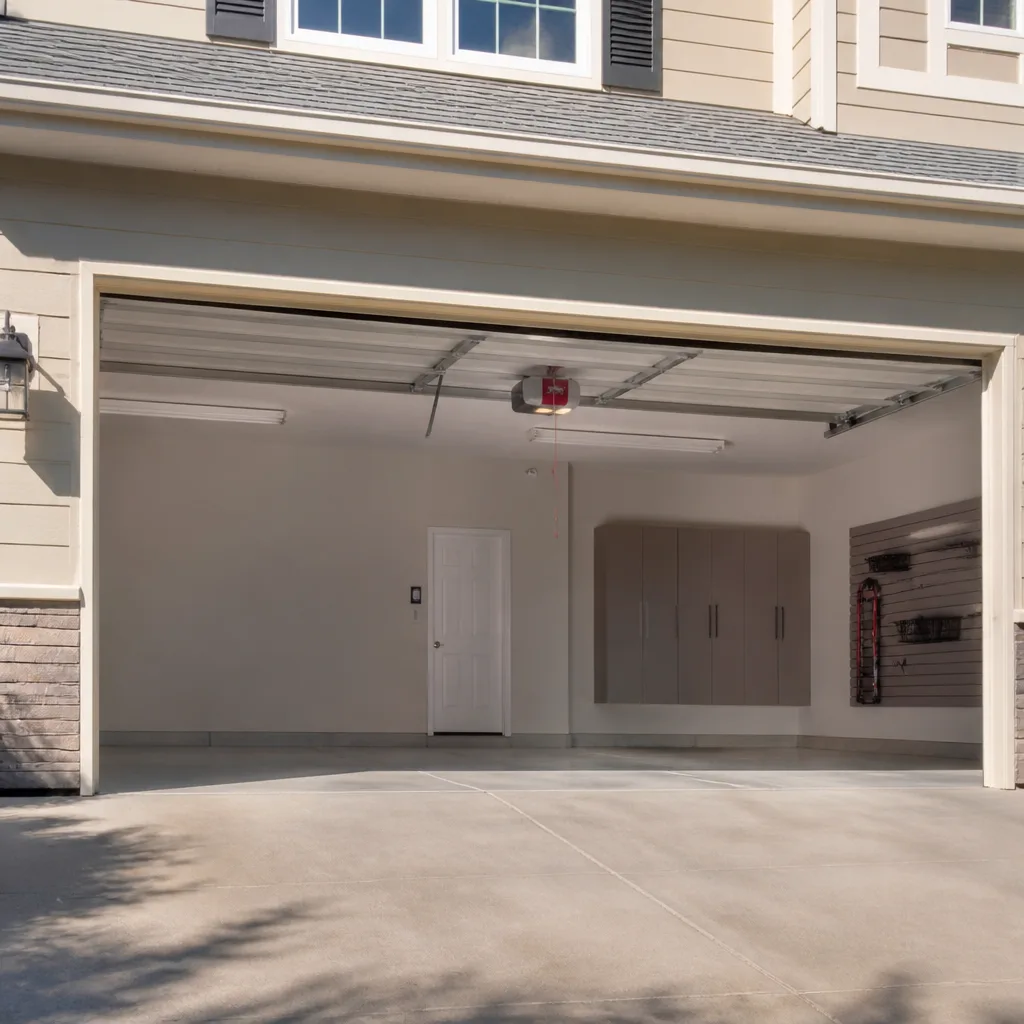 LiftMaster openers
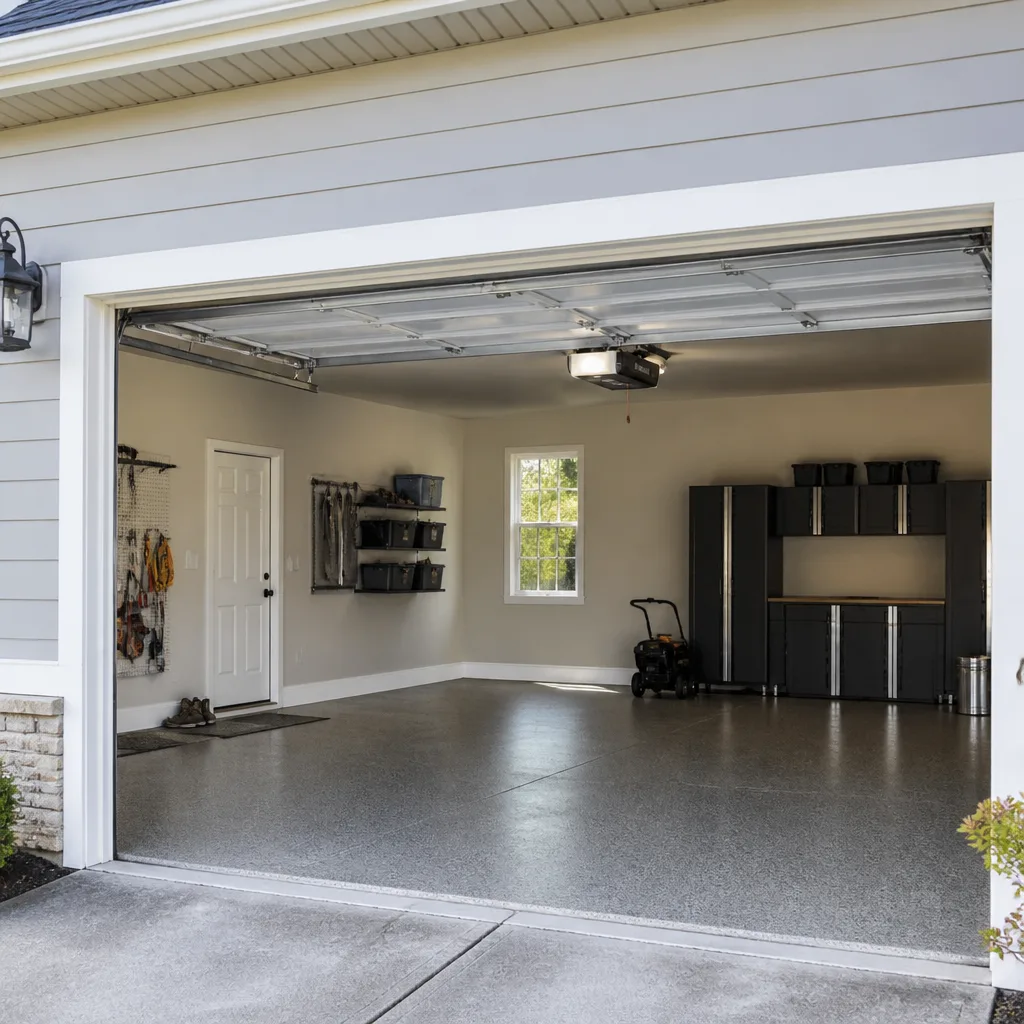 Chamberlain openers
Full 25-point door and opener safety check with every visit - springs, cables, rollers, tracks, and your LiftMaster or Chamberlain opener included
You get a price before we start. It does not change when the pro arrives.
Get your free estimateDIY vs Professional Garage Door: The Town ‘n’ Country Homeowner’s Decision Guide
A fully wound torsion spring holds enough stored energy to do real damage the instant it slips, and it releases across the width of your garage at roughly chest height, not downward where you’d expect it. That’s not a disclaimer we tack onto the bottom of a page. It’s a physics fact, and it should decide where the DIY line sits for every other garage door task in your home. In this guide we’ll draw that line clearly: which jobs you can genuinely handle yourself, which ones can hurt you or void your coverage, where DIY really does save money, and where a botched attempt ends up costing more than hiring a trained technician. Town ‘n’ Country homeowners deal with the same door-and-opener decisions as everyone else, just with our own mild, humid climate in the mix, and we’ll walk through all of it.
Styles & brands we work with
- Raised-panel steel
- Carriage house
- Modern flush
- Full-view glass
- LiftMaster openers
- Chamberlain openers
Quick Answer
Safe DIY garage door work is limited to low-energy tasks: lubricating moving metal parts, replacing weatherstripping and bottom seals, tightening exposed bolts, and realigning safety sensors. Anything involving torsion or extension springs, cables, drums, or the counterbalance system should go to a trained professional, because those parts store and release enough force to cause serious injury. Most homeowners should hire out spring, cable, and opener-internals work, and do the rest themselves.
Table of Contents
- Why the Spring Is the Whole Argument
- The DIY vs Professional Task Matrix
- What You Can Safely Do Yourself
- The Tools You’d Need (and What They Cost vs Hiring Out)
- DIY vs Professional: An Honest Cost Comparison
- The Florida Wind-Load Question
- Handling the Online Forums
- Why Brand Fluency Matters on the Pro Side
- Common Mistakes to Avoid
- When to Call a Professional
- Frequently Asked Questions
- The Bottom Line
Why the Spring Is the Whole Argument
Your garage door weighs a lot, and it lifts smoothly because a spring system carries most of that weight. On a torsion setup, the springs sit on a shaft above the door and wind tight as the door closes. When the door opens, that stored energy unwinds and helps pull the door up. A torsion spring in good working order is holding a substantial load at all times, even when the door is fully open and looks completely still.
That stored energy is what makes the spring the dividing line in this whole debate. When a spring reaches the end of its life, it doesn’t gently sag. It releases. A torsion spring fails by unwinding violently across the top of the garage, and an extension spring can snap back toward the door or the track. Both happen fast, and both happen in the exact place a person stands to work on the door.
What “spring tension” actually means for a homeowner
The danger isn’t just that the spring is under load. It’s that removing or adjusting one safely requires controlled release of that load using winding bars and a specific sequence. Get the sequence partway wrong and the bars can spin loose with the spring. Experienced technicians treat this as the most hazardous task in the trade, and it’s the reason we handle spring work in-house rather than passing it to a general handyman. If you take nothing else from this guide, take this: springs and cables are not homeowner work.
The DIY vs Professional Task Matrix
Here’s the clean breakdown. Use this as your reference for the whole guide.
Safe for most homeowners
- Lubricating hinges, rollers, and tracks with a proper garage door lubricant
- Replacing bottom seals and weatherstripping around the door perimeter
- Tightening loose bolts on the hinges and brackets you can reach safely with the door down
- Cleaning the photo-eye lenses and realigning the two safety sensors at the base of the tracks
- Clearing debris from the tracks and wiping them down
- Testing the door’s auto-reverse feature and its balance by hand
Requires a trained professional
- Any torsion spring replacement or adjustment
- Any extension spring replacement
- Cable replacement, re-spooling, or re-tensioning
- Drum and shaft work on a torsion system
- Straightening or re-aligning a door that has jumped its tracks after impact
- Opener internal repairs, gear and sprocket replacement, and logic-board work
- Full door replacement and any new installation
Gray area: proceed carefully or call
- Replacing rollers (safe if the door is fully down and the spring is untouched)
- Adjusting opener travel limits (safe if you follow the manual, but easy to get wrong on garage door opener repair issues)
- Replacing a wall-mounted opener remote or keypad (safe, and usually just pairing)
What You Can Safely Do Yourself
A fair amount of garage door upkeep really is homeowner territory, and we’d rather you know how to do it than pay someone for a five-minute job. Here’s the routine that heads off most non-emergency calls in Town ‘n’ Country.
- Lubricate twice a year. In our humidity, metal parts can start feeling stiff without regular attention. A garage door lubricant on hinges, rollers, and the torsion shaft keeps things moving. Avoid heavy grease that turns gummy in the heat.
- Check the weather seal. Run your hand along the bottom seal and look for cracks or gaps. A worn seal lets water and pests in and lets cool air out, which matters through a long Town ‘n’ Country summer.
- Test the auto-reverse. Put a roll of paper towels or a 2×4 flat on the ground under the door and close it. The door should reverse on contact. If it doesn’t, stop using the door until that’s fixed.
- Clean and align the sensors. The two photo-eye lenses near the floor should be clean and pointed at each other. If the door won’t close, a misaligned or dusty sensor is the most common cause.
- Tighten what’s loose. With the door fully down, snug any hinge or bracket bolts that have worked loose. Don’t overtighten into damaged metal.
- Do a balance check. Disconnect the opener (pull the release cord with the door down) and lift the door by hand to about halfway. A balanced door should hold roughly where you let go. If it drops or rises hard, the springs need a pro’s eye.
None of that requires touching the spring or cable system. Done a couple of times a year, this routine is what keeps a door quiet and a door out of the “emergency” category. If you’d rather have a trained technician run through it and catch small problems early, that’s what a routine garage door repair visit is for.
The Tools You’d Need (and What They Cost vs Hiring Out)
This is where the DIY argument gets honest, because the safe tasks use tools most homeowners already own, and the unsafe ones require equipment that costs more than the job.
Tools for the safe DIY tasks
- A socket set or adjustable wrench for hinge and bracket bolts
- A garage door lubricant spray (a few dollars at any hardware store)
- A screwdriver for sensor brackets and weatherstrip
- A soft cloth for cleaning sensor lenses
- A level for checking track alignment visually
That’s it. The safe tasks are inexpensive and don’t require specialty equipment, which is exactly why they make sense to handle yourself.
Tools for the spring work you should not do
Proper spring work calls for two winding bars sized to your spring, a set of C-clamps to lock the shaft, and often a specialty tool for the particular drum and cable setup. Buying that gear costs more than hiring a trained technician to do the job correctly, and owning it doesn’t make the work safe. That’s the part online forums tend to leave out. The tools are available; the skill and the safety margin aren’t something you buy at a store.
DIY vs Professional: An Honest Cost Comparison
We’re not going to pretend professional work is always cheaper. It isn’t. On the safe tasks, doing it yourself saves real money, and we’d tell you so. Where DIY actually costs more is after a botched attempt on the spring, the cable, or the opener.
Here’s the shape of the comparison. Safe tasks done yourself cost only materials, which is why we recommend it. Spring replacement is the job most homeowners should hand off, because the range you’ll pay a professional is usually about what the correct tools alone would cost you, and cheap winding bars on an online marketplace are exactly the kind of shortcut that puts you in the path of that stored energy. When a spring replacement goes wrong, the door can come down out of balance, bend a panel, or leave the opener straining. Now you’re paying for the repair plus the damage, and often an emergency call.
Where DIY genuinely wins
- Lubrication and weather seal replacement: pure savings, no downside
- Sensor cleaning and alignment: often fixes a “door won’t close” issue in minutes
- Bolt tightening and debris clearing: free maintenance that extends door life
Where DIY quietly loses
- Spring work: the tools cost close to the job, and injury risk is real
- Opener internals: parts for a Chamberlain or LiftMaster logic board are easy to order and easy to install wrong
- New door installation: misalignment and spring tension errors show up months later, after the savings are spent
If you’d like an exact figure for your door in Town ‘n’ Country, we give free written estimates, and the written estimate is the price. No surprises after the fact.
The Florida Wind-Load Question
One practical reason garage door work in Town ‘n’ Country is different from the general DIY advice you’ll find online: Florida garage door installation is tied to wind-load requirements, and a door installed or replaced by a homeowner without the proper inspection can leave the home without the coverage a permitted installation provides. When a door is installed to code here, it’s inspected for how it performs in high wind, because the garage door is one of the largest openings in the house.
Swap the door yourself and skip that step and you’re risking more than the door. Wind damage to a home whose door wasn’t properly installed to spec can complicate an insurance claim. We won’t put a number on that risk, because every insurer and policy is different, but it’s a real reason to treat door replacement differently from a weatherstrip job. Before a door is replaced in Town ‘n’ Country, check with your city’s building department on what’s required. That one call can save you a much bigger problem later.
Handling the Online Forums
If you’ve searched “how to replace a garage door spring,” you’ve seen it. A forum thread with a confident poster explaining that it’s really not that hard, with two winding bars and a YouTube video. We understand the appeal. We also think the advice is dangerous, and here’s the plain reason why.
For every person who replaces a spring and reports success, there’s a story underneath about how close it came. The forum posts that matter are the ones where the bars slipped, or where someone released tension in the wrong order and the spring shot across the garage. Those rarely get upvoted. What goes wrong when it goes wrong is sudden, forceful, and at exactly the height of a person standing to work.
How to weigh that advice
- Ask whether the poster has professional training in counterbalance systems. Most haven’t.
- Remember that a stranger’s success story is a sample of one, not proof the process is safe.
- Treat “it’s not that hard” as a warning sign, not a green light. Real technicians know how it fails.
Confidence you read on a screen doesn’t protect your hands. That’s the whole argument, and it’s why we treat spring work the same way we’d want our own family to.
Why Brand Fluency Matters on the Pro Side
When you do call a professional, the quality of the call depends on the technician knowing your system. Garage doors and openers vary a lot between brands: how the springs mount, how the opener’s travel limits work, how the safety sensors are wired. Our technicians have up to 12 years of experience and are certified to service eight of the most widely owned brands, including LiftMaster, Chamberlain, Genie, Clopay, Amarr, Wayne Dalton, Craftsman, and Raynor. That means we show up already familiar with your door, not learning it in your driveway.
It also means one call covers the whole system. A failing opener on a Genie setup and a worn roller on an Amarr door don’t require two vendors. From installation through repair through opener diagnostics, we handle it in one place. And if you’re shopping for a new door, we can walk you through what’s available from Clopay, Amarr, and the others before you commit, so the garage door installation is done once and done right.
Common Mistakes to Avoid
- Attempting spring work without professional training. It’s the single most dangerous garage door mistake in the trade. The force stored in a wound spring doesn’t care how careful you are.
- Skipping the wind-load inspection after a door swap. In Town ‘n’ Country, a door replaced without the proper inspection can complicate your coverage if a storm causes damage. Get it done to code, every time.
- Greasing the tracks. Tracks aren’t meant to be lubricated; grease attracts grit and the rollers start to drag. Lubricate hinges and rollers, not the track itself.
- Using the opener to test a broken spring. If a spring snaps, don’t keep pressing the button. The opener is pulling against weight it can’t carry, and it will strain or fail.
- Ignoring a small wobble. A door that’s suddenly uneven or noisy is telling you a roller, cable, or spring needs attention. Town ‘n’ Country’s humidity means seals and moving parts deserve a look twice a year.
- Replacing parts one at a time without checking the system. A new spring on a worn drum is an incomplete fix. Have the whole counterbalance checked.
- Trusting a handyman for spring or opener internals. Not every contractor is trained on garage doors. A specialist knows what fails and why.
When to Call a Professional
Call a professional whenever the job involves springs, cables, drums, opener internals, or a door that’s come off its tracks. Call immediately if a door is stuck open, a spring has snapped, or a vehicle is blocked in or out; those are the situations where emergency garage door service matters, because a garage left open is a security problem and a broken spring means no one is getting out of the driveway. If you’re unsure whether a job is in DIY territory, that hesitation is your answer.
Town ‘n’ Country Garage Door Repair offers free estimates in Town ‘n’ Country. Call (855) 419-7945 and we’ll give you a straight answer on whether you can handle a task yourself or genuinely need a technician. We answer 24/7, with fast dispatch from 7am to 7pm.
Frequently Asked Questions
No, garage door springs should not be replaced by a homeowner. A wound torsion spring stores enough energy to cause serious injury, and safely releasing that tension requires specialty tools and training. This is the one garage door task we recommend without exception to hand to a professional.
You can safely lubricate hinges and rollers, replace weatherstripping and bottom seals, tighten exposed bolts, and clean and realign the safety sensors. Routine maintenance like this is low-risk and saves real money. Anything involving the counterbalance system or opener internals should go to a trained technician.
It can. Garage door installation in Florida is tied to wind-load requirements and inspection, and a door installed without the proper inspection can complicate coverage for wind damage. Check with your city’s building department on what’s required before replacing a door. This is why we treat door replacement as a job for a permitted professional.
Spring repair is priced per job by a written estimate, and the written estimate is the price before any work starts. The range you’ll pay a professional is usually close to what the correct tools alone would cost you. Call (855) 419-7945 for a free estimate.
We treat a door stuck open or a snapped spring blocking a vehicle as an urgent call, not a next-week appointment. Same-day service is often available. Call (855) 419-7945. We answer 24/7, with fast dispatch from 7am to 7pm, Sunday through Friday.
The local professionals we connect you with are licensed and insured as their state requires. Our technicians have up to 12 years of experience and are certified to service eight of the most widely owned garage door brands. Call (855) 419-7945 for a free estimate.
The Bottom Line
The DIY versus professional decision for garage doors comes down to stored energy. Handy work like lubrication, weatherstripping, and sensor alignment is yours to do, and there’s real money saved in doing it. Spring, cable, and opener-internals work belongs with a trained technician, because that’s where the danger and the expensive mistakes live. In Town ‘n’ Country, add the wind-load inspection requirement on any door replacement, and treat a snapped spring as an urgent call. From installation to repair, one call covers it all, and the written estimate sets the price before any work begins. Call (855) 419-7945 for a free estimate.
Written by the team at Town ‘n’ Country Garage Door Repair.
See the difference
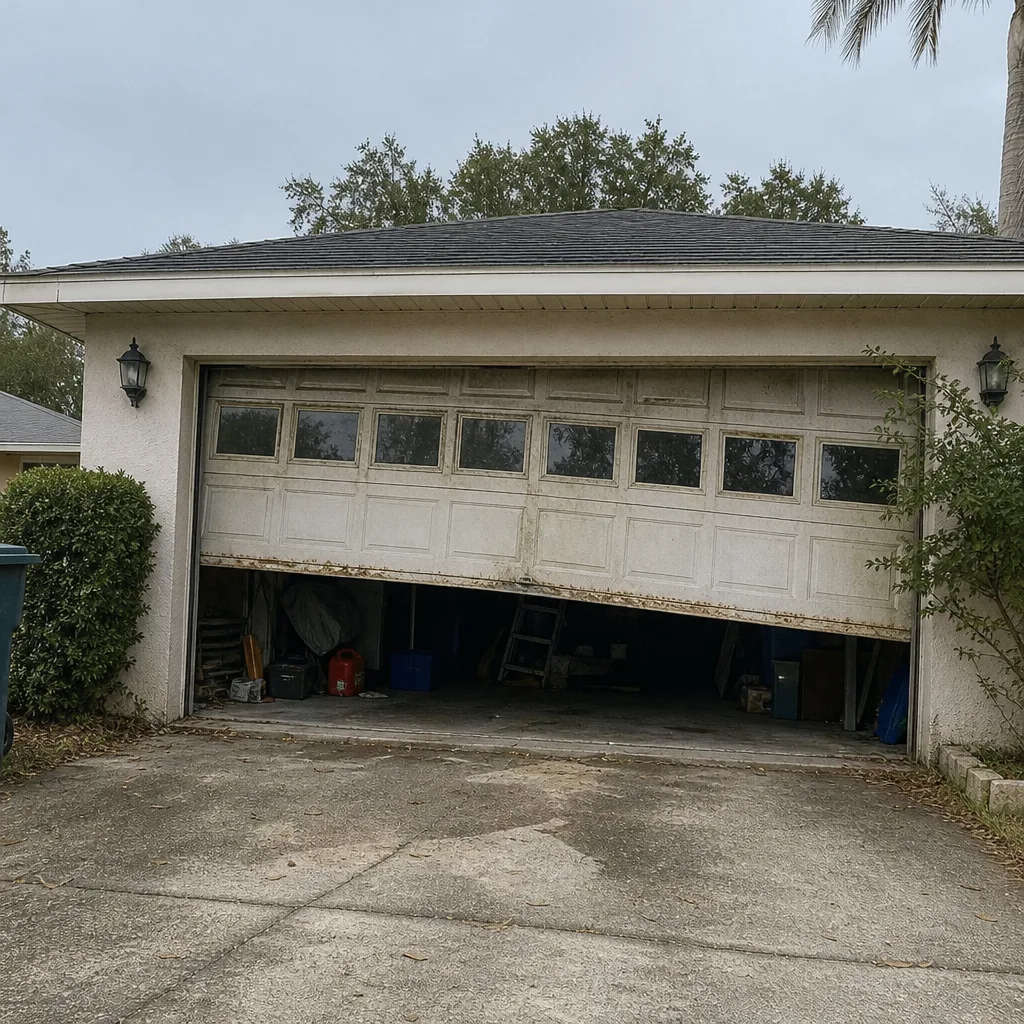 Before
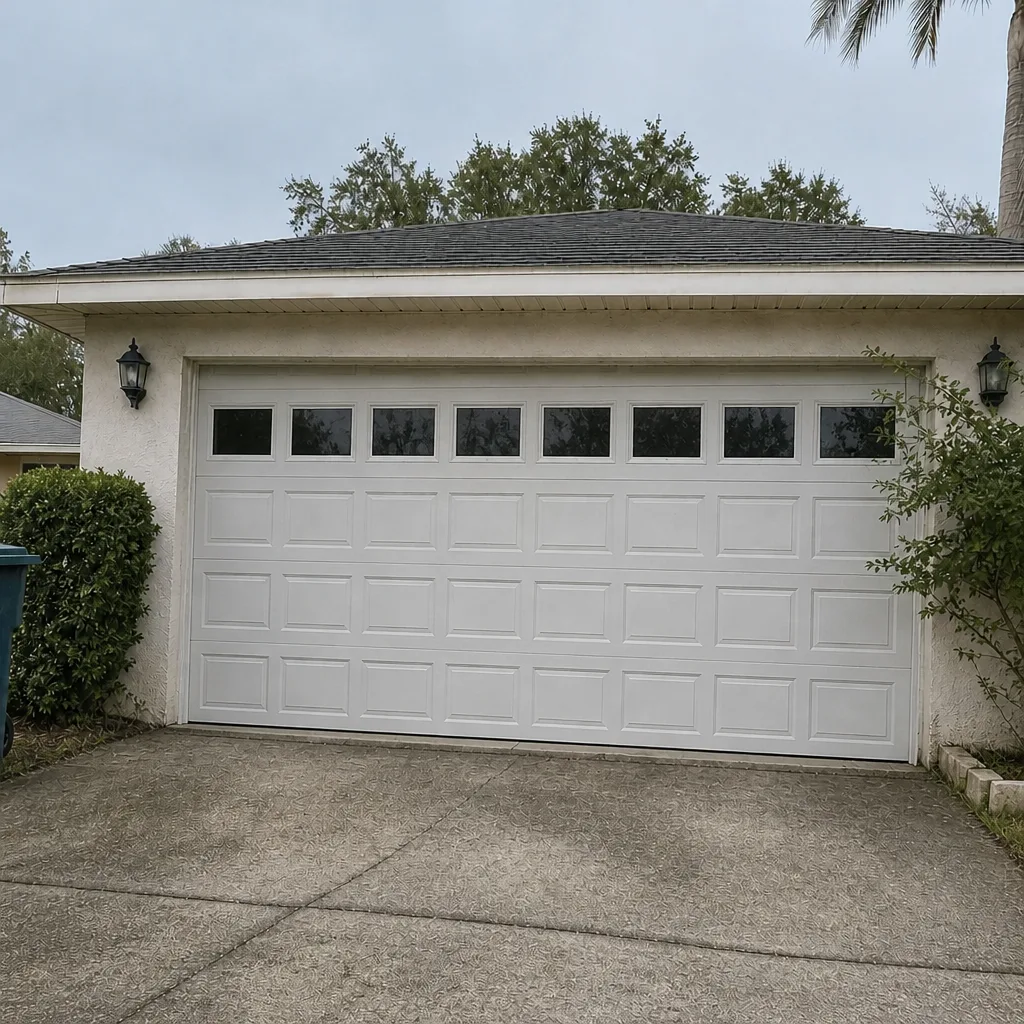 After
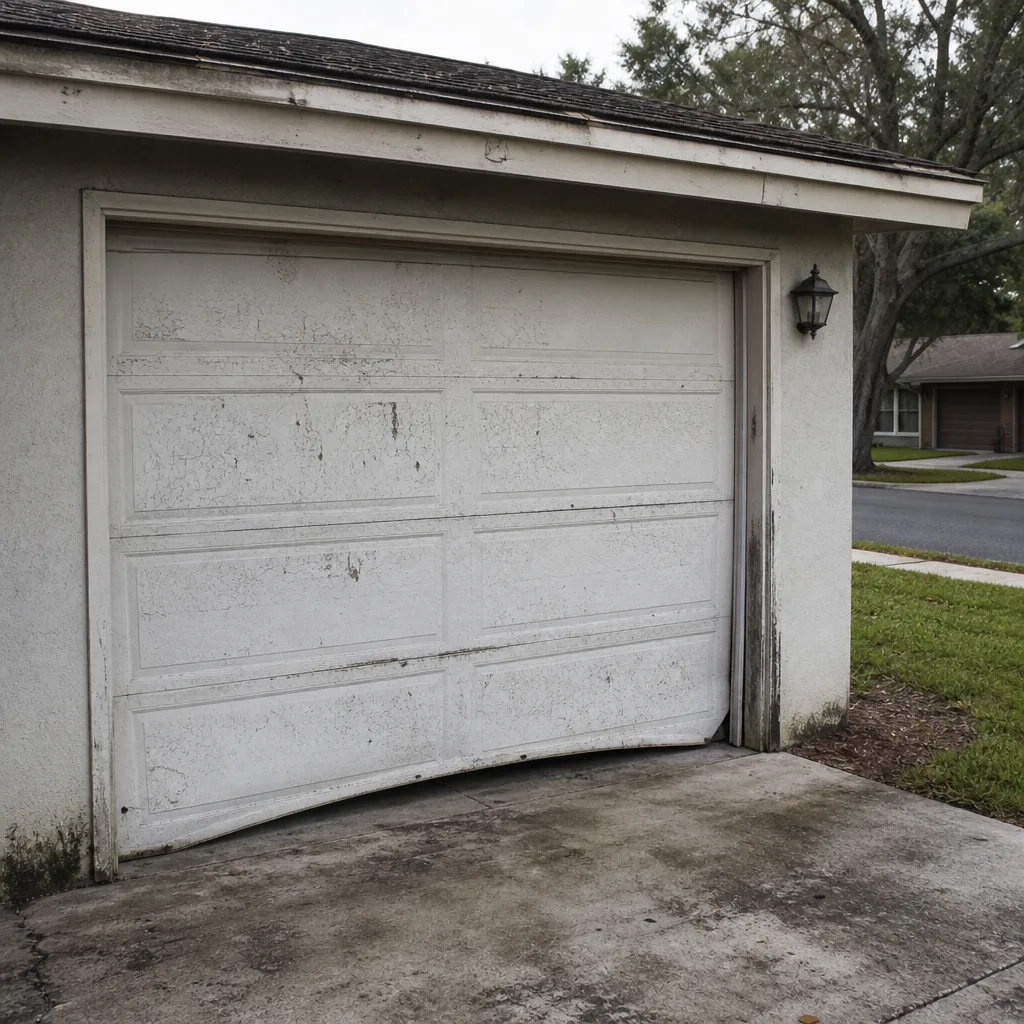 Before
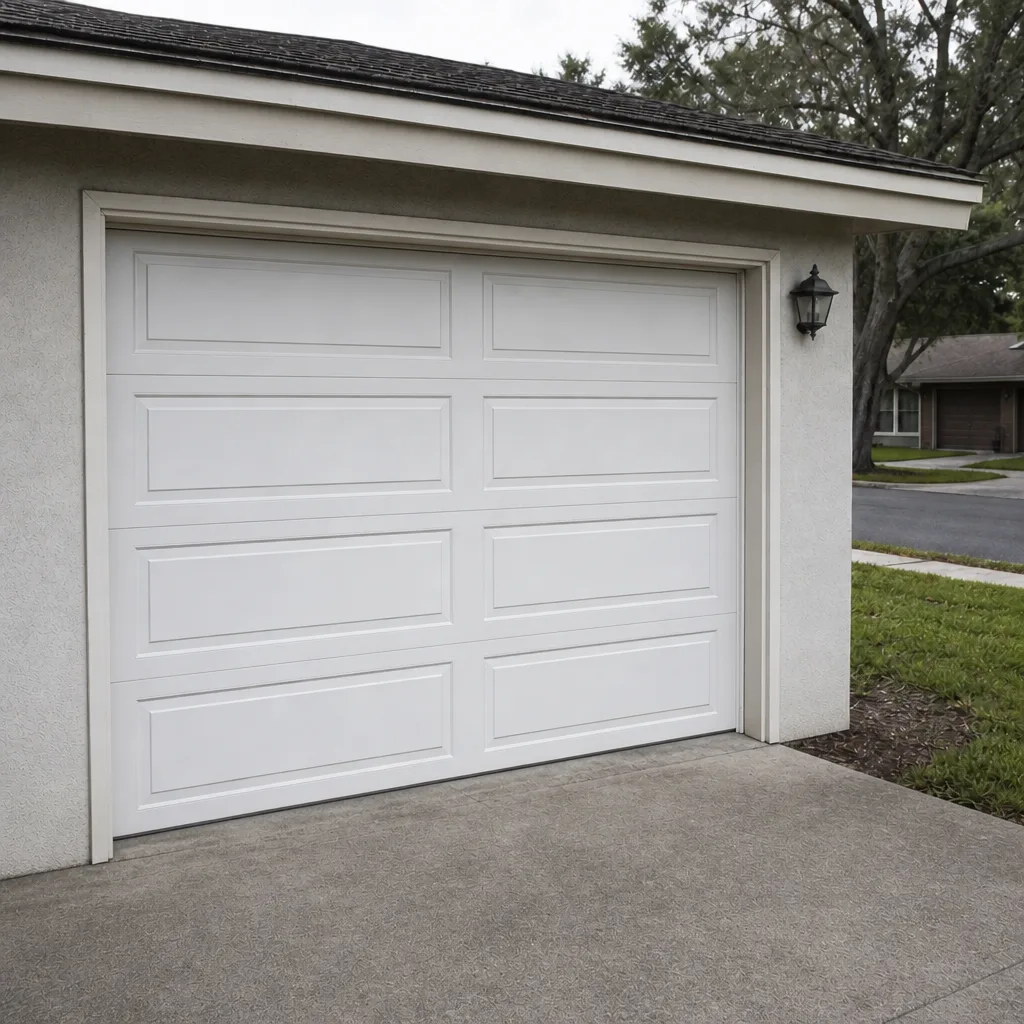 After
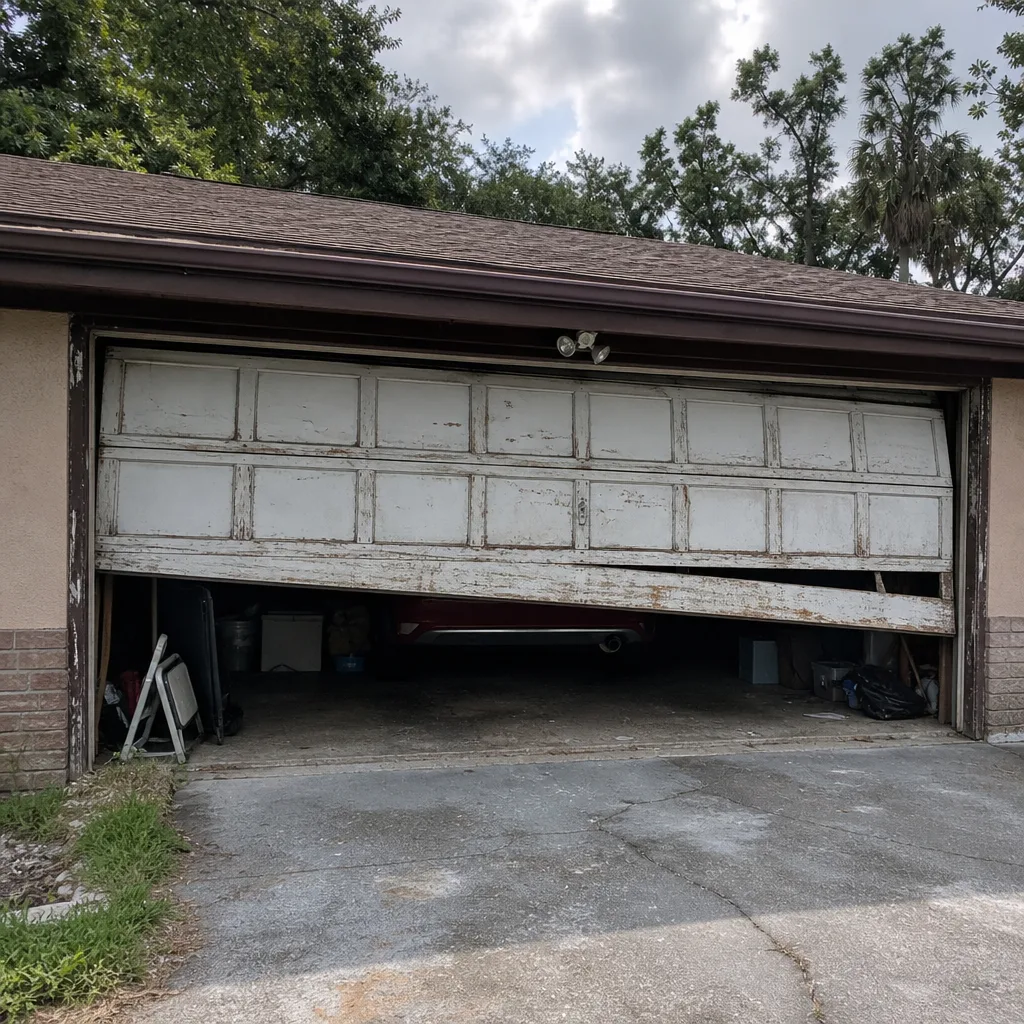 Before
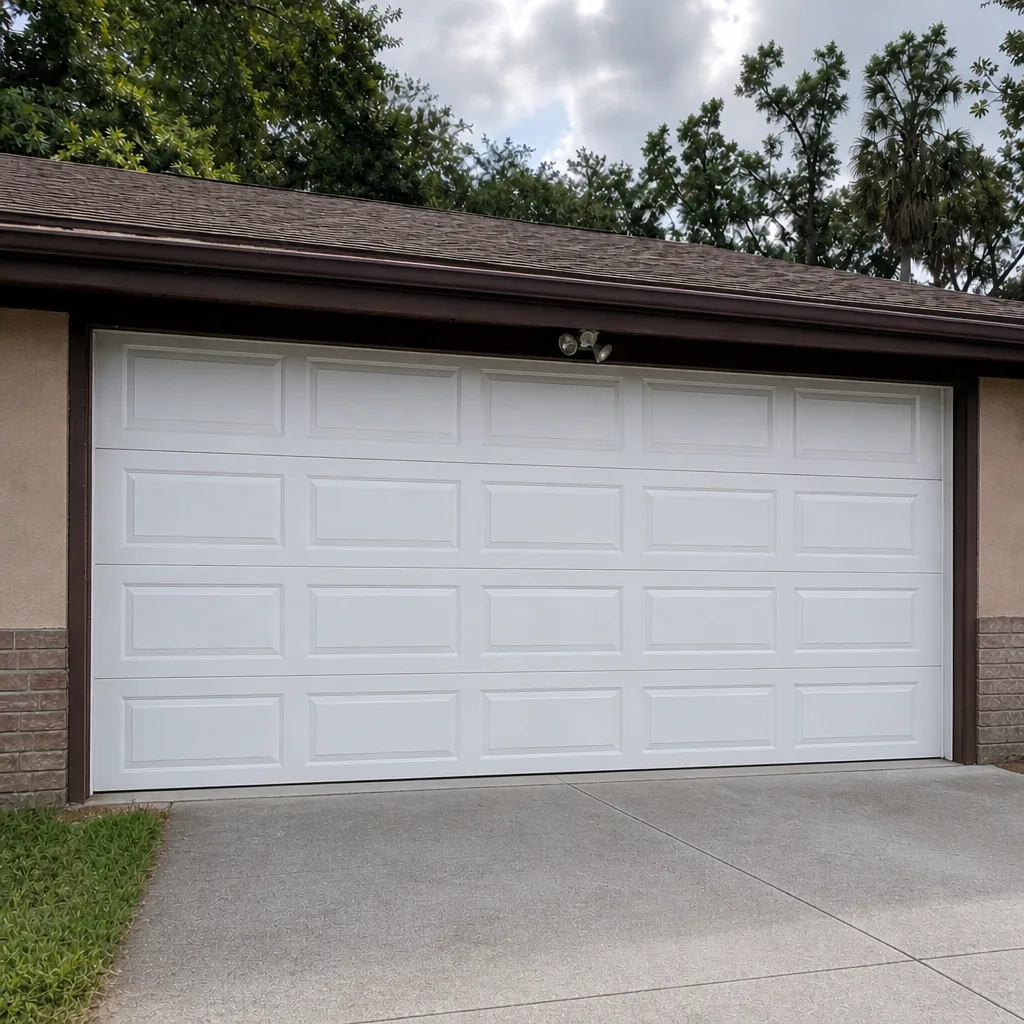 After